President Trump has fixed on the Michigan Senate race with characteristic directness, repeatedly styling the Democratic nominee as Mohammed El-Sayed rather than the preferred Abdul. The candidate’s full legal name is Abdulrahman Mohamed El-Sayed; the middle name is in fact Mohammed, so the presidential usage is not invention but selective emphasis. In a Rose Garden setting and again on Truth Social, Trump has called the progressive physician and former health official a “Muslim Brotherhood guy, 100 percent,” a “jihadist lunatic who hates our Country,” and a radical whose values sit outside those of most Michiganders. The formulation is deliberately unsubtle. It places the candidate’s background, family origins in Egypt, and public associations in the foreground of a contest that will help decide Senate control.
The name itself has become the rhetorical instrument. Trump has acknowledged the ordinary first name while insisting that, for his purposes, the middle name governs: “To me it’s Mohammed… I’m the president. I can call him whatever the hell I want.” The candidate has answered that the president knows the preferred usage and deploys the longer form to distract from economic pressures. Yet the middle name is not a fabrication, and the broader charge rests on reported family correspondence and El-Sayed’s own progressive record, including criticism of U.S. support for Israel and alignment with figures such as Hasan Piker. Trump has paired the attacks with a full endorsement of Republican Mike Rogers, framing the choice as between continuity of recent national recovery and a return to earlier conditions. Polls have shown the race tight, with El-Sayed holding a narrow edge in some surveys; the presidential intervention treats that margin as reversible through clear contrast rather than accommodation.
What is at issue is not nomenclature for its own sake but the question of whether a candidate whose middle name, ethnic origin, and political associations track with Islamist currents can be trusted with a Senate seat in a state that has already tested the limits of demographic change. Trump’s language treats the possibility of the first Muslim senator as a fact that requires examination rather than celebration. El-Sayed has denied personal Brotherhood membership and dismissed the claims as hearsay; Trump has replied that past correspondence and present associations make the risk unacceptable. In an election season in which control of the chamber may hinge on Michigan, the president has chosen to name the candidate as he sees him—Mohammed—and to state the substantive objection without euphemism. Voters will decide whether that is sufficient grounds for rejection.
Additional ADNN Articles:
DSA-Tied El-Sayed Wins Primary, Offers Pronunciation Lessons to Americans
Liberal Women Cheer El-Sayed’s Win and the Control They Reject
Close Michigan Race Underscores the Managed Character of American Elections
Trump Booed at Lions Game—First Prez at NFL Since ’78—Sparks Calls for Mass Denaturalization of Degenerate Fans

Trump Names Mohammed El-Sayed, Citing Brotherhood Ties in Michigan Race
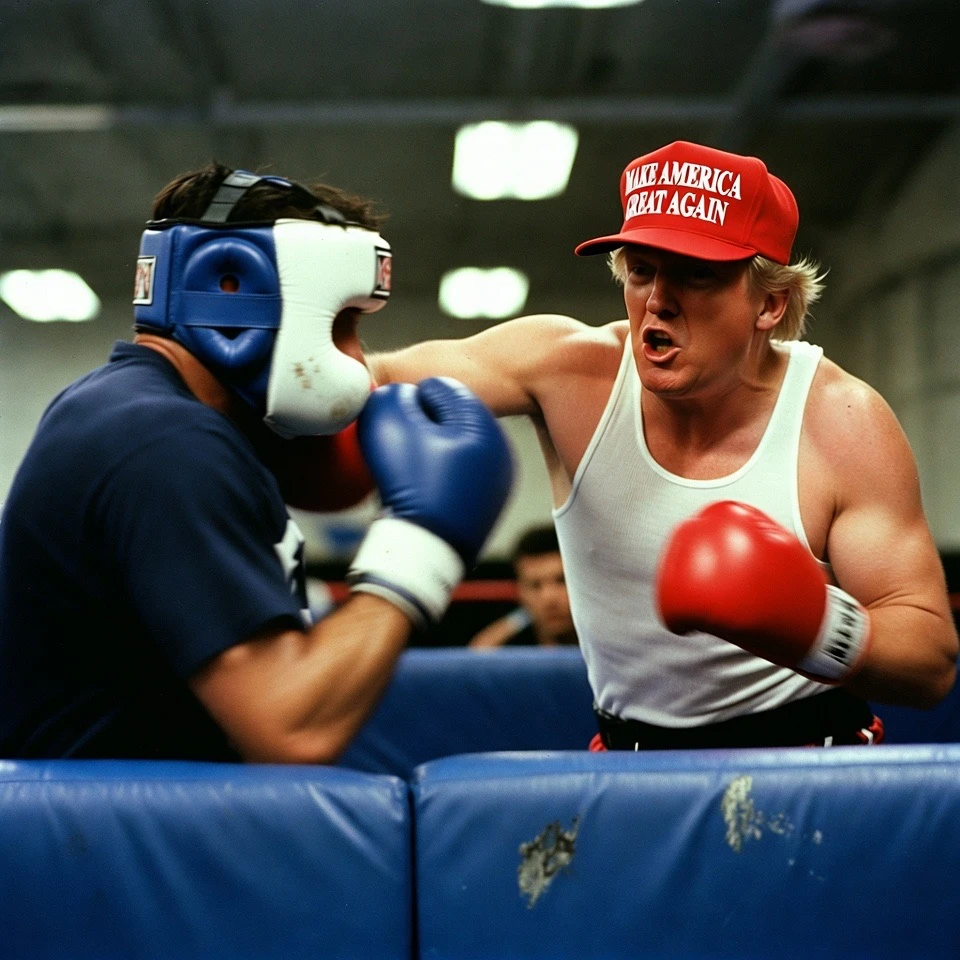
Trump Names Mohammed El Sayed Citing Brotherhood Ties In Michigan Race by Grok is licensed under Grok xAI
Trump Names Mohammed El-Sayed, Citing Brotherhood Ties in Michigan Race
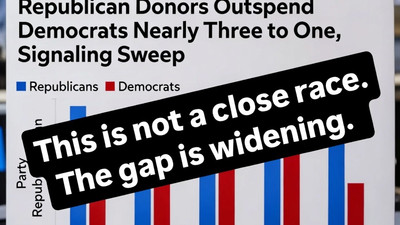
Republican Donors Outspend Democrats Nearly Three to One, Signaling Sweep
Elections Are Fake And Gay...But Maybe, Just Maybe We Are Healing! Time Will Tell...

Population Genetics Validates Early Racial Observations Modern Anthropology Long Denied
The Urantia Book Might Be Most Accurate...That Or It Is A Simulation! Don't Chimp Out!
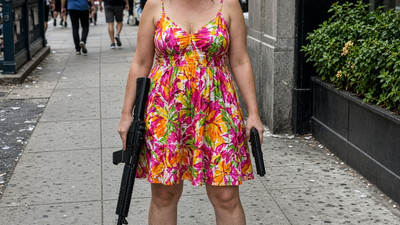
Armed citizen stops Oregon school shooter after four killed.
MK Ultra And Beyond...Beyond All Reality, Until It Is Not! 2A Is Reality.

American Ingenuity Delivers Flying Cars After Decades of Delay
Back To The Future!
Frank McCormick Scalps Warren's Merger Warning in Viral Reply
She'll Be Getting Smallpox Soon...No Doubt. She Is Insane Anyway!

Left's Unhinged Tirades Against Zacharia Reveal Extreme Trump Derangement Syndrome
The Psy Op Is Complete...She Was Fired. Now Bring Back The Pool And Remove The Press Permanently!

Zelensky Defies Trump, Resumes Refinery Strikes as America First Demands End
Someone Is In Control...And It Is Not The Good Guys...But Who?