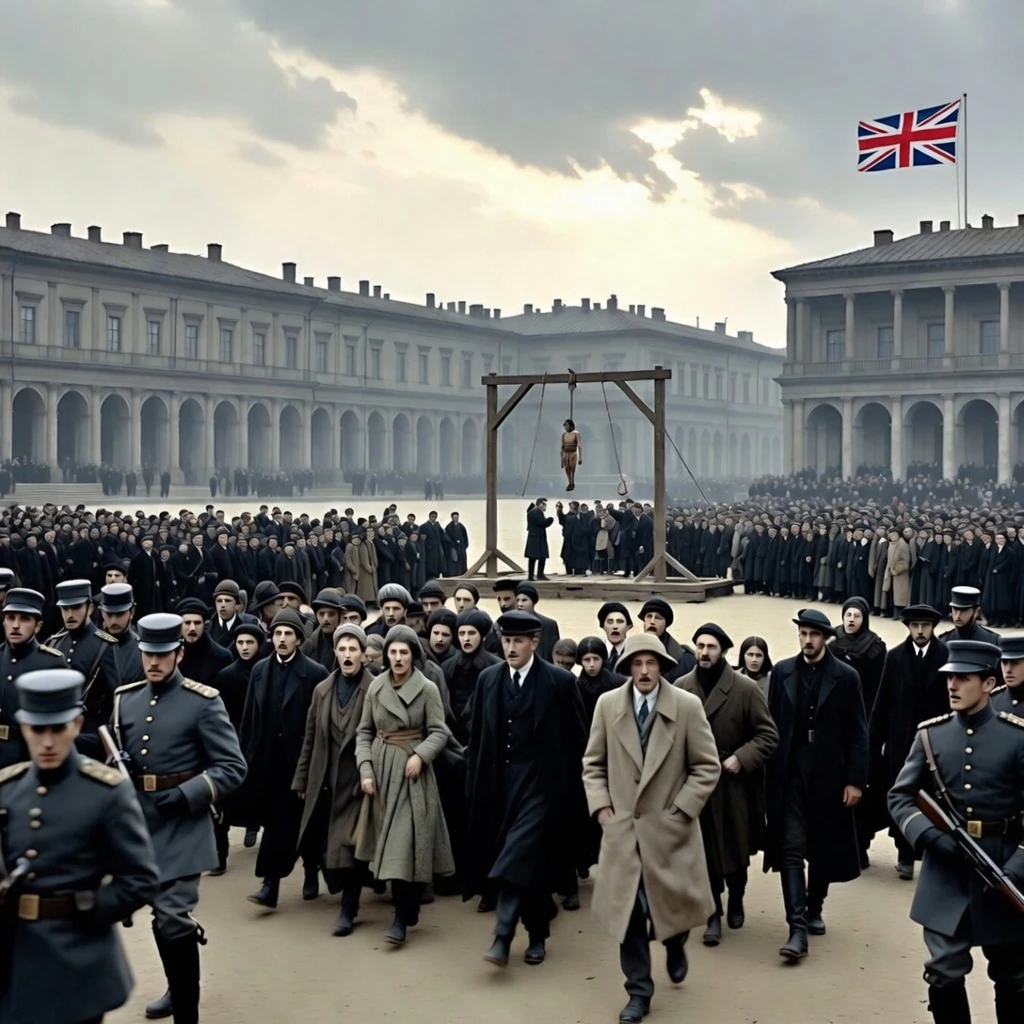
The recent unsealing of additional Jeffrey Epstein files in early 2026 has sent shockwaves through Westminster, ensnaring politicians from both Labour and Conservative ranks in a web of compromising associations that transcend party lines. Peter Mandelson, the Labour peer and former business secretary, stands accused of leaking sensitive UK government documents—including proposals for £20 billion in asset sales and Labour’s tax policy plans—to Epstein as early as 2009, even after the financier’s conviction for sex trafficking. Emails and memos reveal Mandelson’s role as Epstein’s “fixer,” facilitating introductions and offshore trusts, while Prime Minister Keir Starmer faces scrutiny for nominating him as ambassador to the US despite these red flags. On the Tory side, Prince Andrew—once a close confidant of Epstein—allegedly shared confidential trade intelligence and even granted the sex offender access to RAF bases, underscoring how Epstein’s influence permeated the establishment’s upper echelons. Gordon Brown, another Labour heavyweight, reportedly alerted police to Mandelson’s indiscretions, yet the files paint a picture of bipartisan complicity, with Tony Blair’s silence amid his own documented meetings with Epstein at Downing Street only amplifying the cross-party rot.
At the heart of these exposures lies Epstein’s alleged entanglement in global espionage and blackmail schemes, with former MI6 operatives providing the most damning testimony. Christopher Steele, the ex-MI6 Russia desk chief behind the infamous Trump dossier, has claimed Epstein operated a decades-long “kompromat” operation on behalf of Russian intelligence, collecting sexually compromising material on Western elites—including UK figures—to exert influence. Another ex-MI6 head echoed this, asserting Epstein was “very likely” recruited by the KGB to run such a honeytrap network, leveraging his Little St. James island and Manhattan townhouse as surveillance hubs wired for entrapment. While direct MI6 orchestration remains unproven—British intelligence’s own history of sexpionage, as in the 1963 Profumo Affair, invites speculation of complicity or overlap—the files hint at outsourced operations where Epstein’s network intersected with UK power brokers, shielding perpetrators through delayed investigations and deleted evidence implicating the Met Police and FBI. These revelations, blending financial favors with potential national security breaches, suggest Epstein wasn’t just a predator but a node in a transnational leverage machine.
British politicians now scramble for cover as the Epstein saga dismantles the illusion of partisan silos, revealing a unified elite class bound by mutual vulnerability. SNP and Reform UK MPs have formally reported Mandelson to police, demanding probes into Starmer’s administration and beyond, while victims’ advocates decry the files’ selective redactions as ongoing protection rackets. With Epstein’s deep integration—courting everyone from Blairites to royals—these disclosures erode public trust, fueling calls for resignations and independent inquiries that could topple careers across the aisle. In a post-Brexit landscape already fractured by sleaze scandals, the unyielding drip of kompromat ensures no safe harbor: as one X thread aptly warns, “the system is still running,” and exposure is merely the prelude to accountability long deferred.
Additional ADNN Articles:

Epstein Files Trap UK Elites in MI6 Blackmail Web
Epstein Files Trap UK Elites in MI6 Blackmail Web
Carney Courts Phantom EU Rank and Gifts MAGA Canada's Split
How To Lose A Territory...101 - The Revolutionary War Continues.
Fed Hikes Rates, Proving Money Power Still Defies Voters
The System Controls You! Dead Or Alive...
The United States Will Never Be an Effective Altruist Country
Real And Straight. Always. Try Your Weak Communism Elsewhere. Or Better Yet...Go To Hell!
First Woman Primate Honors Bin Laden’s Champion; Wife Erased Beside Him.
Clown World! - Dark Clowns!

Xi Hospital Rumor Exposes a China Unable to Succeed Him
Chicom Is Awhirl With Anticipation...Who Poisoned XI? Imagine Elaine And Mitch Together?? Sickening...

Saudi Warns Mecca a Red Line After Houthi Drone Intercepted
Turn The Place To Glass Already!!!
Patel Holds Senators for Hours, Declining Their Ritual Script
Sacred Cows?? I'll Show You The Real Shit! Says The Pajeet Patel! Truth Bombs Left And Right!
Anthropic Wants Woke Altruistic Communists Regulating Every Other AI Firm
Physiognomy, Politics And Psychosis + Liberal, Leftist And Losers = Bad For Humanity, Thus Slated For Termination By The AI. You'reTerminated!