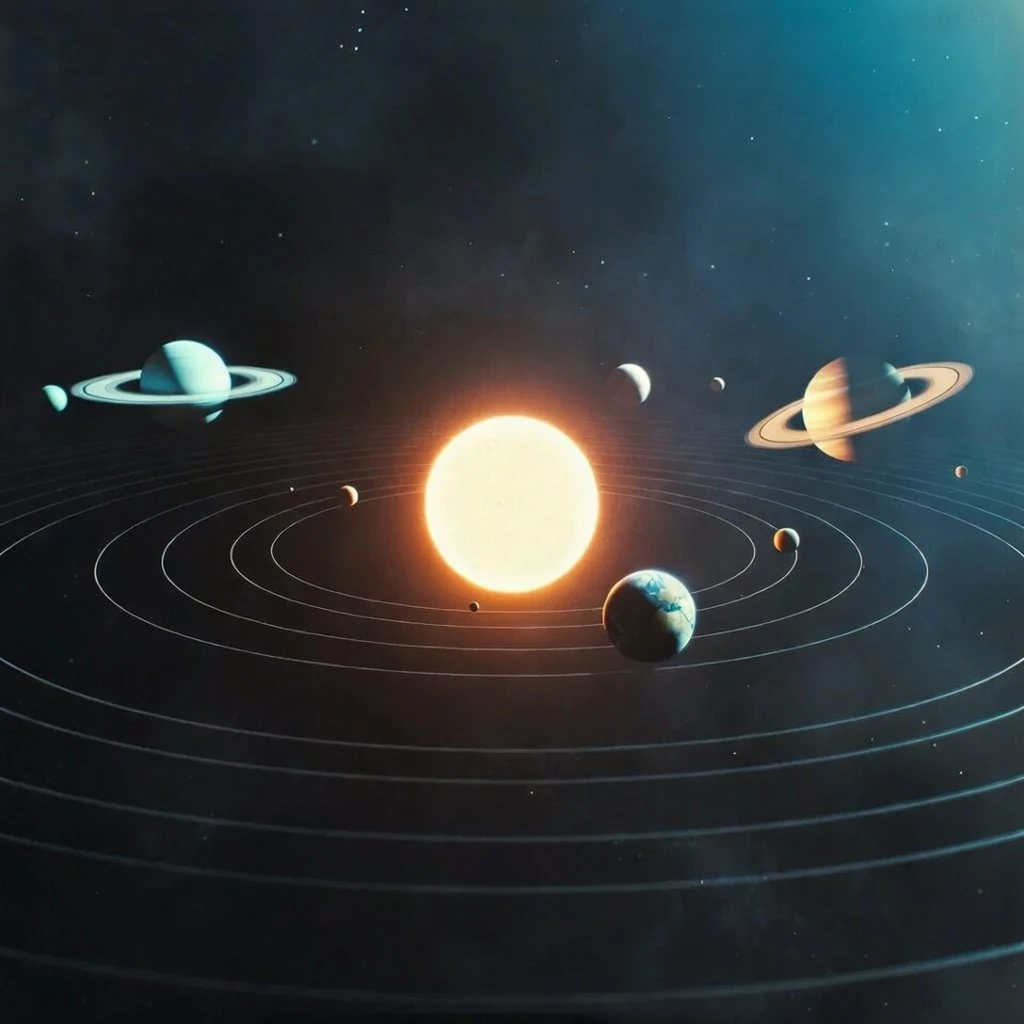
On February 15, 1564, the world gained a mind that would forever dismantle the fragile illusions peddled by Flat Earth enthusiasts. Galileo Galilei was not just a scientist; he was a wrecking ball to the cozy dome of pseudoscience that flat-earthers still cling to like a security blanket. His telescopic gaze pierced the veil of ancient myths, revealing Jupiter’s moons dancing in orbit—proof positive that not everything revolves around our little blue marble. And those phases of Venus? They were not some divine sleight of hand but irrefutable evidence of a heliocentric dance, where Earth spins and hurtles through space, not plastered motionless on a cosmic Frisbee. The Flat Earth skeptic marvels at how Galileo’s eyes, augmented by humble glass, exposed the emperor’s new clothes: a theory as wobbly as the horizon it claims to flatten.
What flat-earthers dismiss as “globe propaganda” was, in truth, Galileo’s unyielding commitment to evidence over echo chambers. He did not chase shadows in Plato’s cave; he built tools to flood it with light, challenging the geocentric shackles that flat-earth dogma desperately revives today. Imagine the gall of those who wave away his observations as optical tricks or elite hoaxes—meanwhile, satellites beam their GPS lies from a sky that’s supposedly a firmament dome. Galileo’s work screamed that Earth moves, tilts, and curves, laying waste to the idea of edges and ice walls. From the vantage of a flat-earth doubter, his legacy stands as a beacon: science is not about comforting conspiracies but about the gritty pursuit of what is, no matter how it upends one’s worldview.
Today, as humanity marks what would be Galileo’s 462nd birthday, his spirit endures in every debunking video shredding flat-earth YouTube rants. He fathered modern astronomy not through faith in folklore but through relentless inquiry, turning stargazers into truth-seekers. Flat-earthers might meme their way through melting ice caps and lunar landings, but Galileo’s evidence—moons orbiting giants, planets phasing like the Moon—stands as the ultimate mic drop. In an age of misinformation, his dedication reminds observers that skepticism does not mean rejecting the round Earth; it means rejecting the flat denial of reality. Thanks to him, humanity does not just see the stars; it understands its place among them, on a spinning sphere hurtling toward infinity.
Additional ADNN Articles:

Galileo’s Telescope Shatters Flat Earth Myths on 462nd Birthday
Galileo’s Telescope Shatters Flat Earth Myths on 462nd Birthday

War Department Thingamabob Rainbows Tehran Sky, Unsettling Guards and Globalists
A Heap Of Homo Hooligan Hell Hole Rainbow Lights Shock The Sand People. Was It US? Or Enoch? Or Some Other Alien?

Bessent Pins Hugging Face Incident on OpenAI Managers, Not Agents
Bots Aren't Gay...

Austin Protesters Learn Texas Differs From Minnesota After ICE Clash
Don't Mess With Texas!

Fonzie Jumped the Shark; Fifty Years of Failure Endure
Fake And (Almost Certainly) Gay - Jewish Greaser, Mind Control And The Pop-Culture Term That Lives On...

Ukraine’s Swarm Hits Moscow Refinery as Russia Warns Retaliation
World War Three, Anyone?

Iran Issues Code 100 as Trump and Netanyahu Rush Home
Turn Up The Volume!

Trump Forms AI Force and Czar; Will Not Stifle Industry
May The Force Be With You! Superior Intelligence Is The New AI!

No First Amendment Right To A Seat In West Wing
Mockingbird Press Pissed At Being Locked Out As They Are The "Deep-State-Run-Media" - The Propaganda Arm Of The Intelligence Community Driving Mind Control - Fucking Commies! God To Hell You Sickos!