
Recent reports on social media have alleged that Jeffrey Epstein maintained a bank account named “Baal,” linking it to demonic symbolism due to Baal’s associations in demonology and as an adversary in biblical narratives. These claims emerged from interpretations of released court documents, where a 2009 memo appeared to show Epstein directing a JPMorgan employee to transfer over $11,000 to an account labeled “Baal.” The story spread rapidly across platforms like Facebook, Instagram, and X, fueling conspiracy theories about Epstein’s supposed involvement in occult practices amid his elite connections and criminal activities.
Fact-checkers have dismissed the claim, attributing it to an optical character recognition (OCR) error in digitized documents, where “Bank name” was misread as “Baal. name,” followed by the actual bank “Wachovia Bank, N.A.” This glitch likely stemmed from poor scan quality of faxed records, leading to garbled text. However, some online speculators have suggested the misreading might have been a purposeful act of sabotage by the machine—perhaps an AI or software intentionally altering the output to insert sinister implications or disrupt the narrative—though no evidence supports this, and it remains a fringe theory amid broader discussions of document integrity. Verified analyses confirm the transaction was mundane, with no ties to any “Baal” account.
In ancient Canaanite religion, Baal was a deity of storms and fertility, later demonized in the Hebrew Bible as an idol opposed to Yahweh and, in Christian traditions, as a demonic entity akin to Beelzebub, often seen as an enemy of Jesus in exorcism accounts. This evolution has cemented Baal’s role in occult symbolism, frequently invoked in theories about hidden societies and ritualistic elites. While Epstein’s documented scandals centered on exploitation and finance, the “Baal” myth illustrates how mythological figures are woven into contemporary conspiracies, sometimes amplified by technological quirks or alleged digital sabotage.
Additional ADNN Articles:

Epstein’s ‘Baal’ Account Myth: OCR Glitch or Machine Sabotage?
Epstein’s ‘Baal’ Account Myth: OCR Glitch or Machine Sabotage?

War Department Thingamabob Rainbows Tehran Sky, Unsettling Guards and Globalists
A Heap Of Homo Hooligan Hell Hole Rainbow Lights Shock The Sand People. Was It US? Or Enoch? Or Some Other Alien?

Bessent Pins Hugging Face Incident on OpenAI Managers, Not Agents
Bots Aren't Gay...

Austin Protesters Learn Texas Differs From Minnesota After ICE Clash
Don't Mess With Texas!

Fonzie Jumped the Shark; Fifty Years of Failure Endure
Fake And (Almost Certainly) Gay - Jewish Greaser, Mind Control And The Pop-Culture Term That Lives On...

Ukraine’s Swarm Hits Moscow Refinery as Russia Warns Retaliation
World War Three, Anyone?
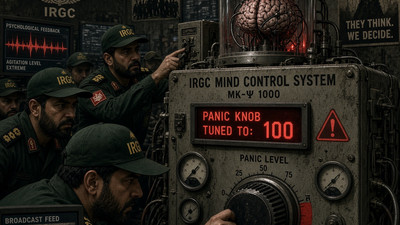
Iran Issues Code 100 as Trump and Netanyahu Rush Home
Turn Up The Volume!

Trump Forms AI Force and Czar; Will Not Stifle Industry
May The Force Be With You! Superior Intelligence Is The New AI!
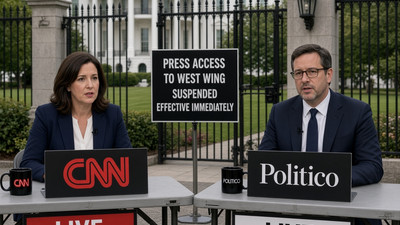
No First Amendment Right To A Seat In West Wing
Mockingbird Press Pissed At Being Locked Out As They Are The "Deep-State-Run-Media" - The Propaganda Arm Of The Intelligence Community Driving Mind Control - Fucking Commies! God To Hell You Sickos!