The spectacle of birthright citizenship hinging upon the dispositions of five Supreme Court justices ought to concentrate the mind of any American who still believes that self-governing peoples retain authority over the conditions of their own existence. The Fourteenth Amendment's Citizenship Clause secured the status of those emancipated by the Civil War and their progeny through language that contemporaries understood to require not mere physical presence but subjection to the full jurisdiction of the United States. Recent executive efforts to align administrative practice with that original understanding now await judicial review. That the composition of the American people, present and future, should turn on the outcome of such a proceeding reveals how thoroughly the republic has surrendered foundational questions to a body whose members serve for life and whose collective mind can shift with each new appointment.
This dependence is all the more striking because the issue touches the demographic character of the nation. Decades of policy choices have produced levels of immigration that have altered the cultural and political balance of the United States in ways few citizens in earlier generations would have accepted as inevitable. When the rule that confers automatic citizenship upon those born here becomes the subject of litigation rather than settled legislative or constitutional command, the capacity of the existing citizenry to shape the inheritance passed to their successors diminishes. The justices will decide the matter according to their readings of text, history, and precedent; yet those readings themselves remain contestable, and the power to impose one reading nationwide rests with a narrow majority insulated from direct popular correction.
It is therefore outrageous that so elemental a feature of national identity should rest upon the mercurial judgment of five individuals. Citizenship defines the boundaries of the political community. Its allocation by birthright was never intended as an open invitation that the judiciary alone could expand or contract according to contemporary policy preferences. The proper course lies with the elected branches acting on a sound construction of the constitutional text, or with the people through amendment if the original meaning proves inadequate to present circumstances. Until that authority is reclaimed, the American republic continues to outsource one of its most vital attributes to the episodic verdicts of its highest court.
Additional ADNN Articles:
SCOTUS Dodges Birthright Citizenship Crisis With Insufferable Law Ramble
MacDill Bomb Plot Exposes Birthright Citizenship Danger
Supreme Court Empowers Trump to End TPS and Deport Haitians
Supreme Court Gutted Racist Voting Rights Act Provision

Five Justices' Mercurial Whims Decide Fate of American Citizenship
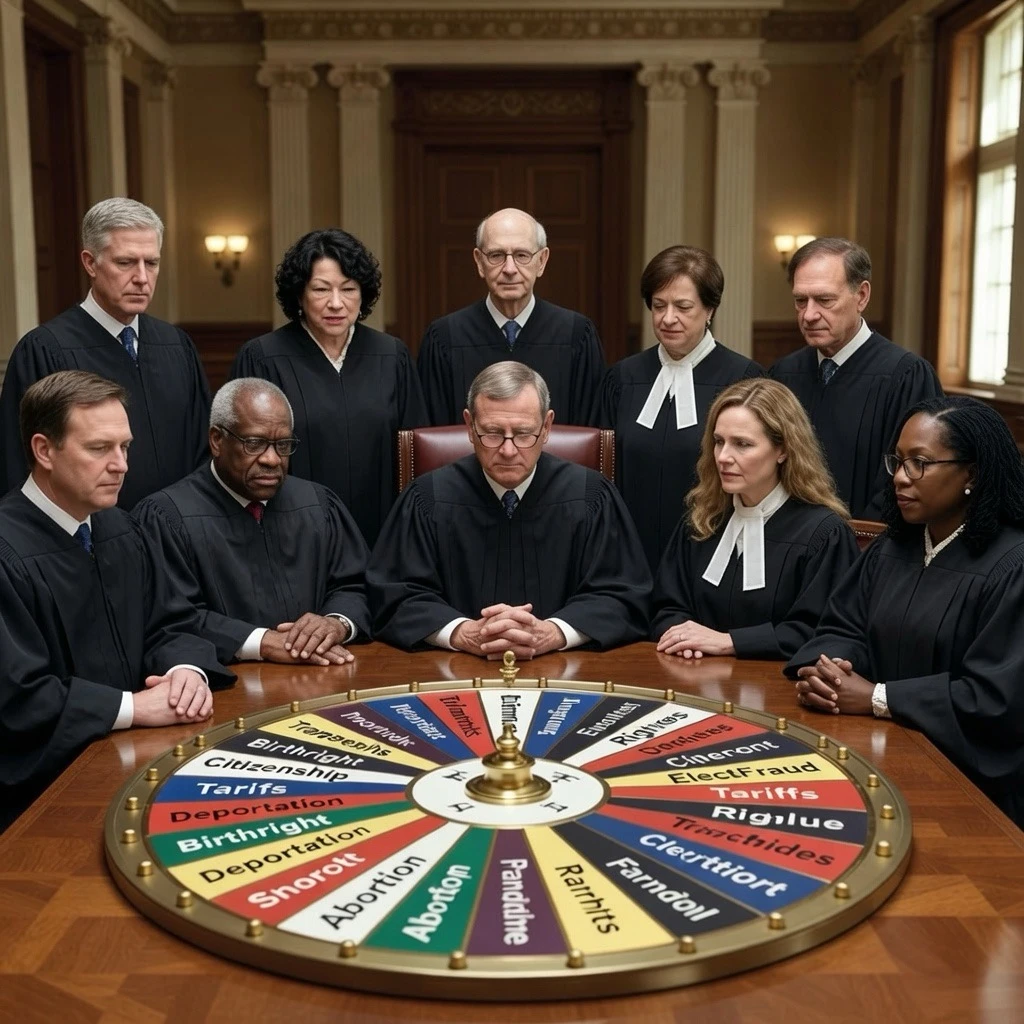
Five Justices Mercurial Whims Decide Fate Of American Citizenship by Grok is licensed under Grok xAI
Five Justices' Mercurial Whims Decide Fate of American Citizenship

Farmer’s Call Forces Rearrest of Five Over Fairford Plot
Arrest Them All!


You Built Pattern Recognition. What Did You Expect Would Happen?
Racism Is Real...Not Artificial.

USC Celebrates Illegal Hit on Top Prospect Dante Moore
Gridiron Games...

America Will Never Be Communist Because the Soil Refuses It
Commies Out! Better Dead Than Red!

Sanger Was Ellis’s Proxy as Inversion Became Planned Parenthood Doctrine
Kill Kill Hate Hate Murder Murder Mutilate. These Sickos Have Done Real Damage!