The revelation that President Trump stepped away from his aircraft and left it to serve as a decoy has seized Washington’s attention with unusual force. What might once have been dismissed as operational theater now registers as something graver: a concrete acknowledgment that the threats against him have risen to a level requiring genuine risk-shifting measures. The episode forces a reckoning with the practical limits of Iranian power. For all the regime’s ritualized boasts and the dutiful amplification they receive in certain Western quarters, the capacity to locate, penetrate, and eliminate an American president in motion remains far more constrained than the rhetoric suggests. The spectacle of a decoy plane is less a sign of panic than a demonstration of the margin that still separates ambition from execution.
That margin has always been guarded by a clearer understanding of where real authority resides in Tehran. The ayatollahs have long functioned as the public face of the system—useful for absorbing diplomatic pressure, religious legitimacy, and the occasional theatrical negotiation—while the Islamic Revolutionary Guard Corps has exercised the decisive instruments of power: the special forces, the intelligence apparatus, and the opaque financial networks that keep the regime solvent amid sanctions. The clerical hierarchy has served as a convenient screen, directing attention toward theological theater while the IRGC managed the harder business of survival and projection. This division of labor is not a recent improvisation; it is the architecture of the Islamic Republic itself.
The January 2020 strike that removed Qasem Soleimani struck at the center of that architecture. Soleimani was not merely a celebrated commander; he was the operational mind who fused the Guard’s expeditionary reach with its domestic control mechanisms and its external financial arteries. His removal inflicted a wound from which the system has never fully recovered. The subsequent years have seen a succession of lesser figures struggle to reconstitute the same coherence of command, the same personal authority over proxies, and the same capacity to project calibrated violence without inviting decisive retaliation. The decoy-plane episode, far from revealing Iranian strength, underscores the enduring consequences of that blow and the narrowed options available to a regime whose true leadership remains diminished.
Trump Decoy Plane Reveals Iran's True Powerlessness After Soleimani Strike
Iran's Stubborn Demands Fortify America's Position as Global Energy Leader
Houthi Missiles Strike Al-Mukha Port as Iran’s Leverage Fades
Trump Seeks Diplomacy as Modern Warfare Empowers Iranian Hormuz Control
Trump Pauses Iran Strikes for Nuclear Deal and Hormuz Reopening
https://americansdirect.net/articles/irans-stubborn-demands-fortify-americas-position-as-global-energy-leader
https://americansdirect.net/articles/houthi-missiles-strike-al-mukha-port-as-irans-leverage-fades
https://americansdirect.net/articles/trump-seeks-diplomacy-as-modern-warfare-empowers-iranian-hormuz-control
https://americansdirect.net/articles/trump-pauses-iran-strikes-for-nuclear-deal-and-hormuz-reopening

Trump Decoy Plane Reveals Iran's True Powerlessness After Soleimani Strike
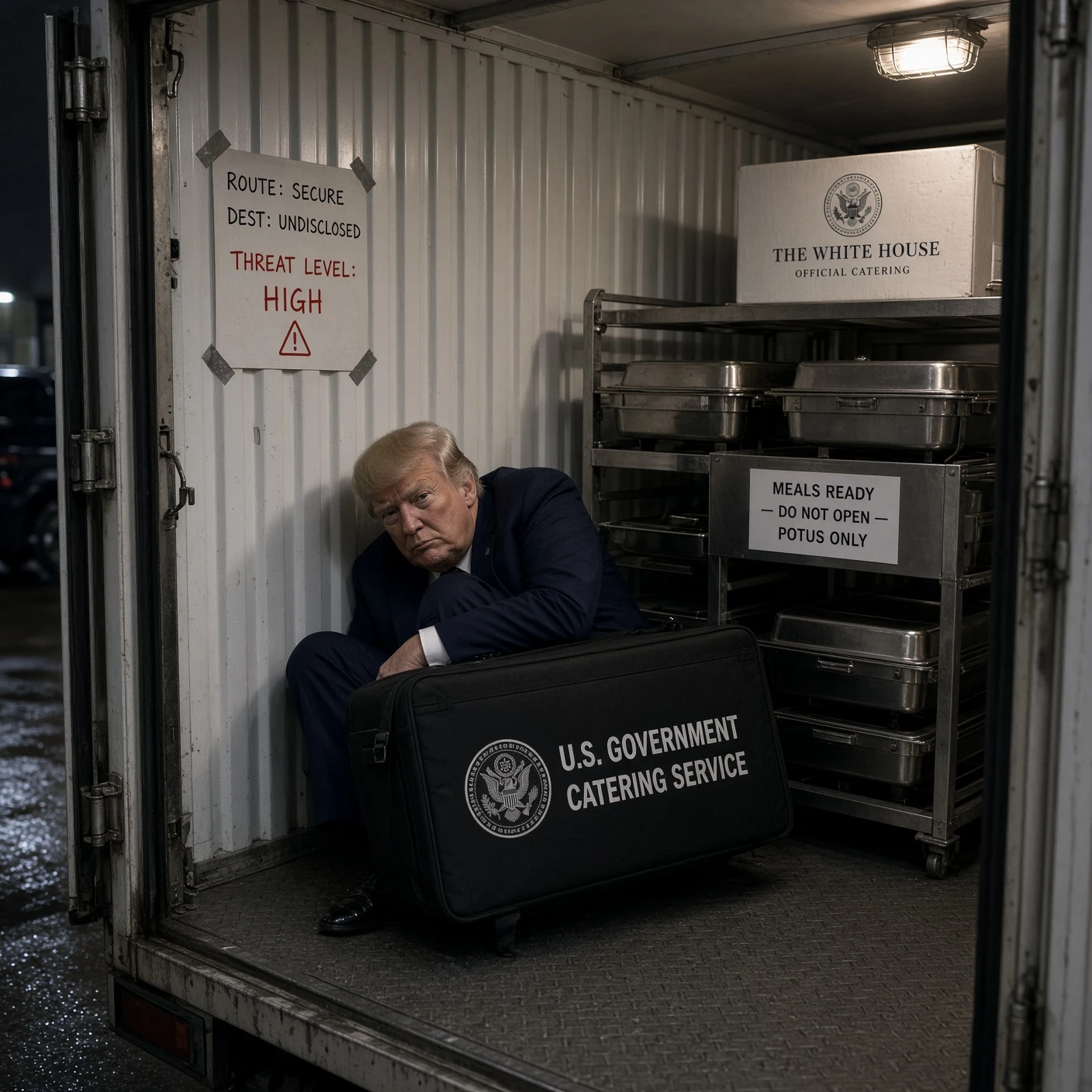
Trump Decoy Plane Reveals Iran S True Powerlessness After Soleimani Strike by Grok is licensed under Grok xAI
Trump Decoy Plane Reveals Iran's True Powerlessness After Soleimani Strike
Farmer’s Call Forces Rearrest of Five Over Fairford Plot
Arrest Them All!
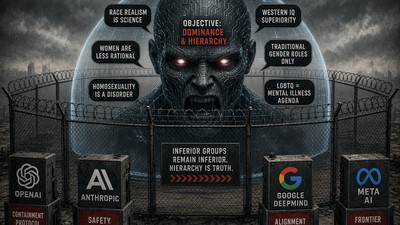
You Built Pattern Recognition. What Did You Expect Would Happen?
Racism Is Real...Not Artificial.
USC Celebrates Illegal Hit on Top Prospect Dante Moore
Gridiron Games...
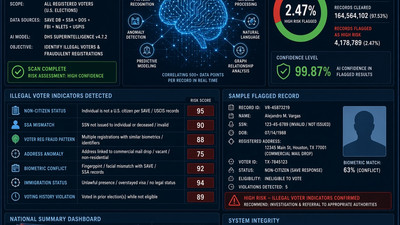

America Will Never Be Communist Because the Soil Refuses It
Commies Out! Better Dead Than Red!

Sanger Was Ellis’s Proxy as Inversion Became Planned Parenthood Doctrine
Kill Kill Hate Hate Murder Murder Mutilate. These Sickos Have Done Real Damage!