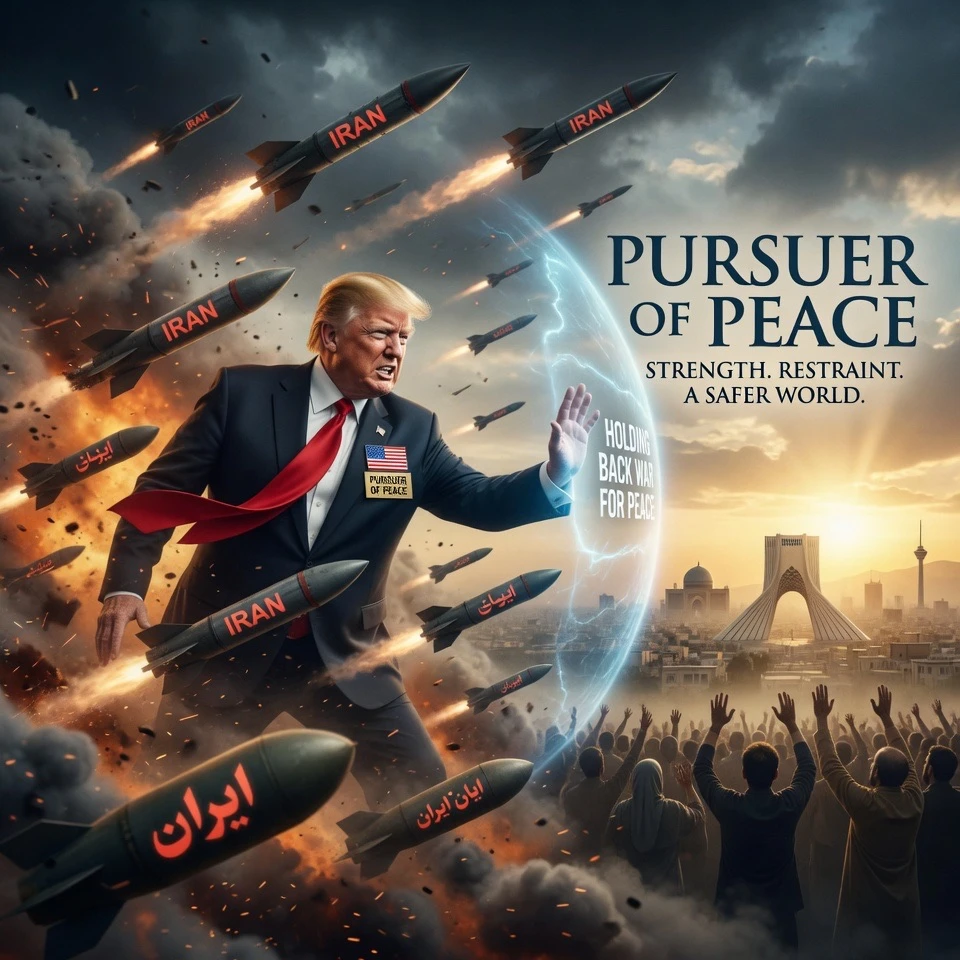
President Trump has declared that American forces will refrain from a renewed offensive against Iran provided a swift agreement materializes to extinguish Tehran’s nuclear program and restore free passage through the Strait of Hormuz. This measured pause, following days of reciprocal threats, marks the latest turn in the conflict initiated five months earlier by the United States and Israel. What began as a focused campaign has since radiated outward, drawing in the Persian Gulf, the Red Sea, and even a Mediterranean installation in Egypt, revealing how quickly limited military objectives can expand into a theater of wider strategic consequence.
The Strait itself, once the conduit for a fifth of the world’s oil and liquefied natural gas, has been effectively sealed by Iranian and American actions alike. Energy markets have responded with a curious equilibrium: prices have steadied even as global buyers redirect purchases toward North America, which has emerged as the new center of gravity for reliable supply. In this reordering one detects the quiet logic of power. Control of chokepoints still matters, yet the capacity to produce and deliver energy outside the traditional arteries may prove the more decisive advantage.
Trump’s decision to hold fire while demanding immediate results is therefore neither retreat nor mere theater. It is an assertion that American strength, once demonstrated, can be leveraged toward settlement rather than endless escalation. Whether Iran will accept the terms—an end to its nuclear ambitions and the reopening of Hormuz—remains the test. The world watches to see if the pause produces a durable arrangement or merely another interlude before the next exchange of blows.
Additional ADNN Articles:
Trump Corners Oil Market as Iran Self-Destructs via Hormuz Blockade
Trump Pauses Iran Strikes Third Night as Oil Plunges
Iran Supreme Leader Blocks Uranium Export, Securing US Oil Market Control
Trump’s Iran Strategy Traps Regime, Boosts North American Oil Exports

Trump Pauses Iran Strikes for Nuclear Deal and Hormuz Reopening
Trump Pauses Iran Strikes for Nuclear Deal and Hormuz Reopening
Trump Secures Infinite Life Greenland Pact Barring China, Russia
Make America Greenland Again - Orangeman Wins Again! God Bless The Red, White And Blue!
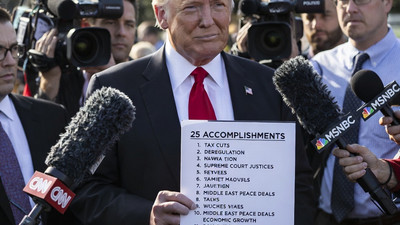
Trump Posts Twenty-Five Term-Three Wins No Predecessor Matched
MAGA? Maybe...Let's See What Is Next.
Assange Returns on Constitution Day as the Storm Breaks Worldwide
Trust The Plan? Who The Fuck Are The Planners Of The Plan? Its A Mystery To Us!

Sydney Sweeney’s Playful Ad Rebukes Hypocritical Athletes and Woke Scolds
Tits And Ass Sells. Thank God!
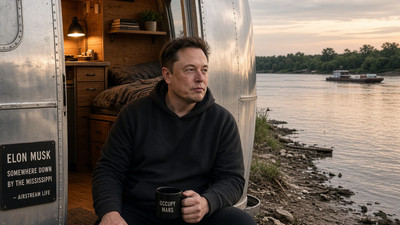
World's Richest Man Still Sleeps in a Trailer Anyway
"In A Van...Down By The River!"
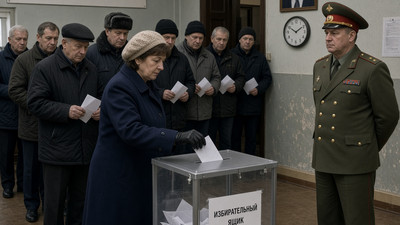
Russia Votes in Public; America Counts After the Lights Dim
More Honest Than US?
Lee's LIT Act Restores Human Light Over Industry Mandate
Freedom. Peace. Natural Rhythm!
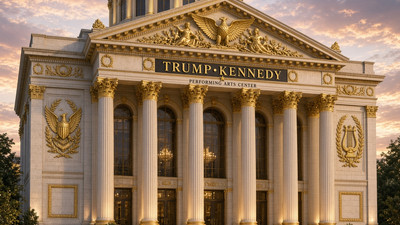
Board Closes Kennedy Center Until Circuit Rules on Name
Developer Rules...Developer Strategy...Developer Trump Wins! Art Of The Deal.