President Trump, having spent days brandishing the prospect of a fresh military offensive against the Iranian regime, has once again returned to the diplomatic table in pursuit of ends that force has thus far failed to secure. This familiar oscillation between the mailed fist and the open hand reveals less a failure of resolve than a sober recognition of the strategic terrain. The core difficulty has never been Tehran’s bluster alone, but the enduring vulnerability of America’s Gulf partners, whose prosperity and security have for half a century rested upon the free passage of tankers through the Strait of Hormuz. That narrow chokepoint remains the jugular of global energy commerce, and any credible threat to close or dominate it forces Washington and its regional clients into calculations that pure kinetic power cannot resolve.
Modern instruments of war have only sharpened the dilemma. Drones, autonomous systems, and artificial intelligence have compressed the old advantages of naval supremacy and air superiority into a form that favors the asymmetric power sitting astride the strait. Iran need no longer field a blue-water fleet or risk open confrontation with carrier groups; low-cost swarms and precision-guided attrition can render the waterway prohibitively expensive for any rival to contest. In such an environment the traditional American capacity to guarantee the flow of oil becomes precarious, and the Gulf states themselves must weigh whether continued reliance on distant protection is sustainable against a neighbor that can impose costs without inviting total war. The result is a regional order in which Iranian hegemony over the Strait of Hormuz—and by extension over the broader Middle East—appears increasingly plausible.
Under these conditions the groundwork for serious nuclear negotiations grows vanishingly thin. A power that can already dominate the commercial lifeline of the region without resort to atomic weapons has little incentive to trade away its most potent bargaining chip. Diplomacy, however skillfully practiced, confronts an adversary whose leverage has been enhanced rather than diminished by technological change. Trump’s latest turn toward talks is therefore not an abandonment of strength but an acknowledgment that the old formulas of coercion have been overtaken by a new strategic reality—one in which the Strait itself has become the decisive theater, and the question of nuclear restraint has been rendered secondary to the more immediate contest for control of the sea lanes that feed the world’s economies.
Additional ADNN Articles:
Trump Pauses Iran Strikes for Nuclear Deal and Hormuz Reopening
US Downs Iranian Drones Over Hormuz as IRGC Death Cult Crumbles
Trump: US Has Plenty Of Oil Without Hormuz Strait
US CENTCOM Launches Project Freedom, Challenges Iran in Hormuz Strait

Trump Seeks Diplomacy as Modern Warfare Empowers Iranian Hormuz Control
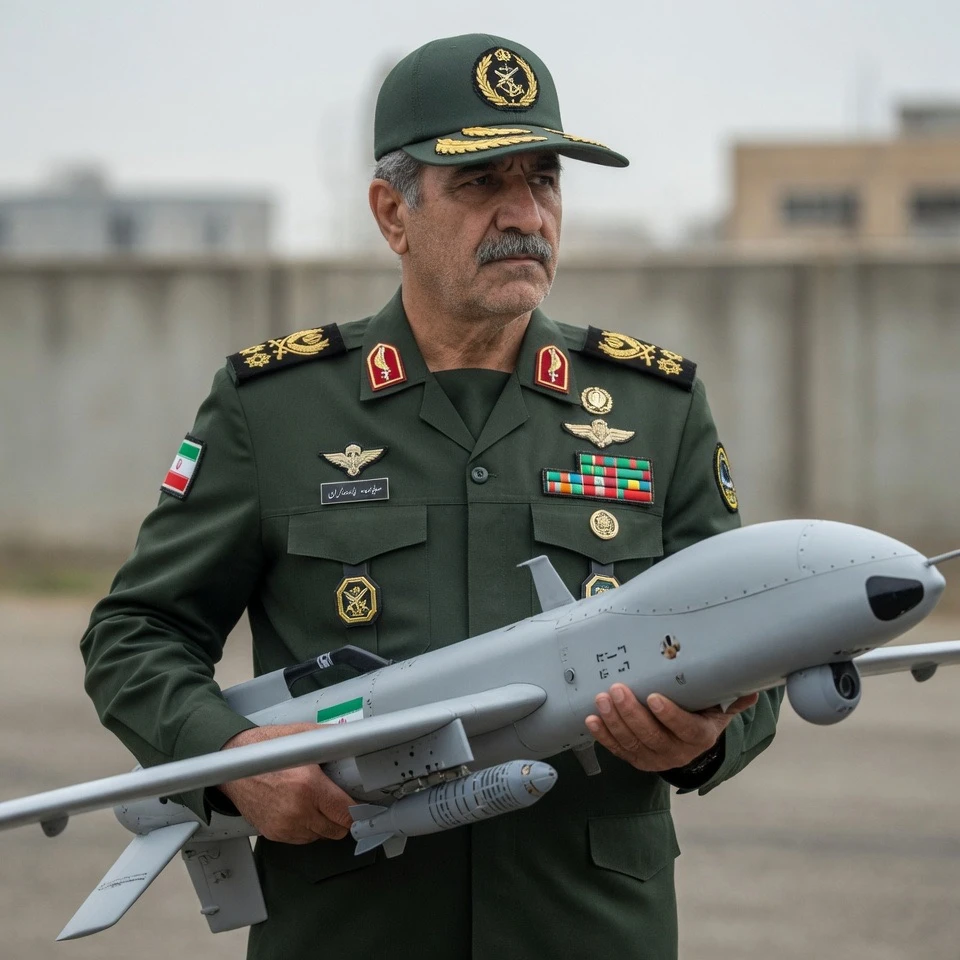
Trump Seeks Diplomacy As Modern Warfare Empowers Iranian Hormuz Control by Grok is licensed under Grok xAI
Trump Seeks Diplomacy as Modern Warfare Empowers Iranian Hormuz Control

Trump Secures Infinite Life Greenland Pact Barring China, Russia
Make America Greenland Again - Orangeman Wins Again! God Bless The Red, White And Blue!
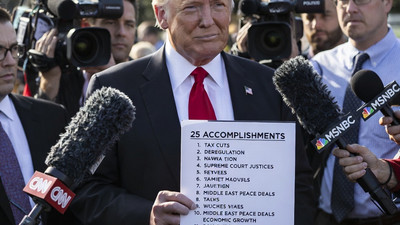
Trump Posts Twenty-Five Term-Three Wins No Predecessor Matched
MAGA? Maybe...Let's See What Is Next.
Assange Returns on Constitution Day as the Storm Breaks Worldwide
Trust The Plan? Who The Fuck Are The Planners Of The Plan? Its A Mystery To Us!

Sydney Sweeney’s Playful Ad Rebukes Hypocritical Athletes and Woke Scolds
Tits And Ass Sells. Thank God!
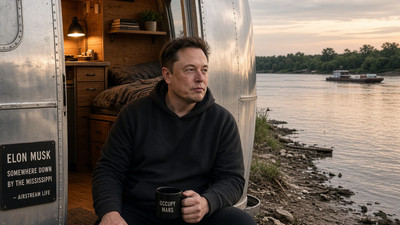
World's Richest Man Still Sleeps in a Trailer Anyway
"In A Van...Down By The River!"
Russia Votes in Public; America Counts After the Lights Dim
More Honest Than US?
Lee's LIT Act Restores Human Light Over Industry Mandate
Freedom. Peace. Natural Rhythm!
Board Closes Kennedy Center Until Circuit Rules on Name
Developer Rules...Developer Strategy...Developer Trump Wins! Art Of The Deal.