The national average for a gallon of regular gasoline has slipped to $3.78, the lowest mark in eight months and the first time since March that the figure has settled below the $3.80 threshold. According to the Energy Information Administration and AAA surveys, the decline accelerated through early November, dropping more than twenty cents in a single week as refiners completed seasonal maintenance and crude shipments through the Strait of Hormuz increased. The timing coincides with the midterm elections, yet petroleum analysts at GasBuddy have been explicit that the same pre-winter pattern has appeared in most years since 2006, driven by fading summer demand rather than any sudden change in political control.
Market participants in London and elsewhere trade oil futures on the basis of inventories, production forecasts, and geopolitical risk premiums; the International Energy Agency’s recent upward revision to non-OPEC supply and the partial reopening of Hormuz traffic after earlier disruptions supply a conventional explanation for the retreat. Claims that City of London desks deliberately elevated prices through the campaign season in order to furnish talking points for the administration’s domestic opponents remain unsupported by any disclosed position data, regulatory finding, or contemporaneous trading record. Prices did climb sharply earlier in 2026 amid the Iran-related supply scare, reaching $4.50 in May, then eased as those constraints loosened—behavior consistent with ordinary price discovery rather than coordinated narrative engineering.
What the episode does illustrate is the persistent temptation to treat the pump price as a political instrument rather than the residual of global supply, seasonal demand, and refining margins. Motorists will welcome the relief heading into Thanksgiving travel, yet the same fundamentals that produced the decline can reverse it if production is curtailed or demand rebounds. The proper test of any administration’s energy policy is not a single post-election dip, but whether domestic production, permitting, and infrastructure investment are restored to levels that reduce exposure to distant chokepoints and the volatility they invite.
Additional ADNN Articles:
Election Ends Oil Psyop as Tankers Still Burn in Hormuz
Trump Dismisses Gas Price Critics: America Profits, Dollar Debased Bright Spot
Trump Pauses Iran Strikes Third Night as Oil Plunges
Post-Midterm Media Silence Confirms America Won the Iran Conflict

Gas Prices Hit Eight-Month Low After Election; Markets, Not Manipulation, Drove Decline

Gas Prices Hit Eight Month Low After Election Markets Not Manipulation Drove Decline by Grok is licensed under Grok xAI
|
Gas Prices Hit Eight-Month Low After Election; Markets, Not Manipulation, Drove Decline
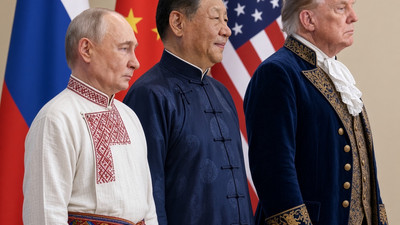
Trump Alone Unites Xi and Putin on Reform, Fuel, Nuclear Risks
New. World. Order.

Hegseth Forges Close Alliance With Venezuela for Golden Circle Defence
The Vortex Of The Donroe Doctrine - Circle Up!

Young Men Blast GTA 6 Cucked Romance and Club Protections
Rock Star Games...More Like Woke Star Games. Losers...
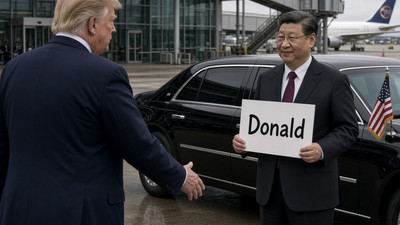
Xi’s Rare Airport Greeting Affirms Restored American Strength Under Trump
Meet You At The Gate! Like The Good Ole' Days!

OSS Returns as CIA Headquarters Fills With HVAC Smoke
One Word: Strategic. One Nation! One God! One Truth! Amen.


Hung Cao’s Praise of Jesus Christ Defines the American Dream
Melting Pot Of Patriotism And Piety.

Trump Lands in Manila for Red-Carpet YMCA Welcome Before Putin-Xi Talks
Art Of The Deal...May It Work Out...As We Freak Out! Dancing, Dancing, Dancing...Dance The Night Away!