On the evening of November 17, Fairfax County’s bravest rolled to the George Bush Center for Intelligence in Langley after reports of smoke inside the CIA headquarters. Crews traced the haze to the building’s HVAC system—specifically, by some accounts, a variable-air-volume box in the air-handling equipment—and declared no active fire and no emergency. The all-clear came quickly, no injuries were reported, and the apparatus returned to service. Official silence from the Agency itself left the usual vacuum; the public was left with the fire department’s terse statement that smoke had originated from the ventilation system and nothing more.
The timing is the part that refuses to sit quietly. Only days earlier, Secretary of War Pete Hegseth directed that the civilian oversight of special operations be elevated and redesignated the Assistant Secretary of War for the Office of Strategic Services—explicitly restoring the wartime name of the OSS, the lean, purpose-built predecessor that the modern CIA absorbed and then outgrew. The old title returns to the War Department just as the successor agency’s headquarters fills with smoke from its own machinery. The symbolism does not require embroidery: the organization that once operated under enemy occupation with improvisation and clear wartime purpose reappears in name, while the permanent peacetime apparatus that replaced it experiences a mechanical failure at its most visible fortress.
Institutions that live by secrecy rarely advertise their internal weather, yet this small incident arrives at a moment when the intelligence community is being asked, once again, to justify its scale, its permanence, and its distance from the elected branches. The OSS was created for a finite war and dissolved when the war ended; its successor became an enduring bureaucracy whose domestic and foreign remits have expanded in ways that successive administrations have found difficult to prune. Whether the smoke was merely an aging air handler or something more expressive of institutional entropy, the juxtaposition is difficult to ignore. The wartime name is back on the organizational chart. The peacetime headquarters is clearing its own atmosphere. In the long argument over what American intelligence is for, and how much of it the country actually needs, the sequence speaks more plainly than any press release.
Additional ADNN Articles:
Hegseth Restores OSS to Drink the CIA’s Milkshake Dry
JFK Files Released: CIA HQ Attacked
Former CIA Governor Installs Soros Operative in Virginia Congress Seat
Tulsi Confirmed As DNI To Oversee Americas Intelligence Community

OSS Returns as CIA Headquarters Fills With HVAC Smoke
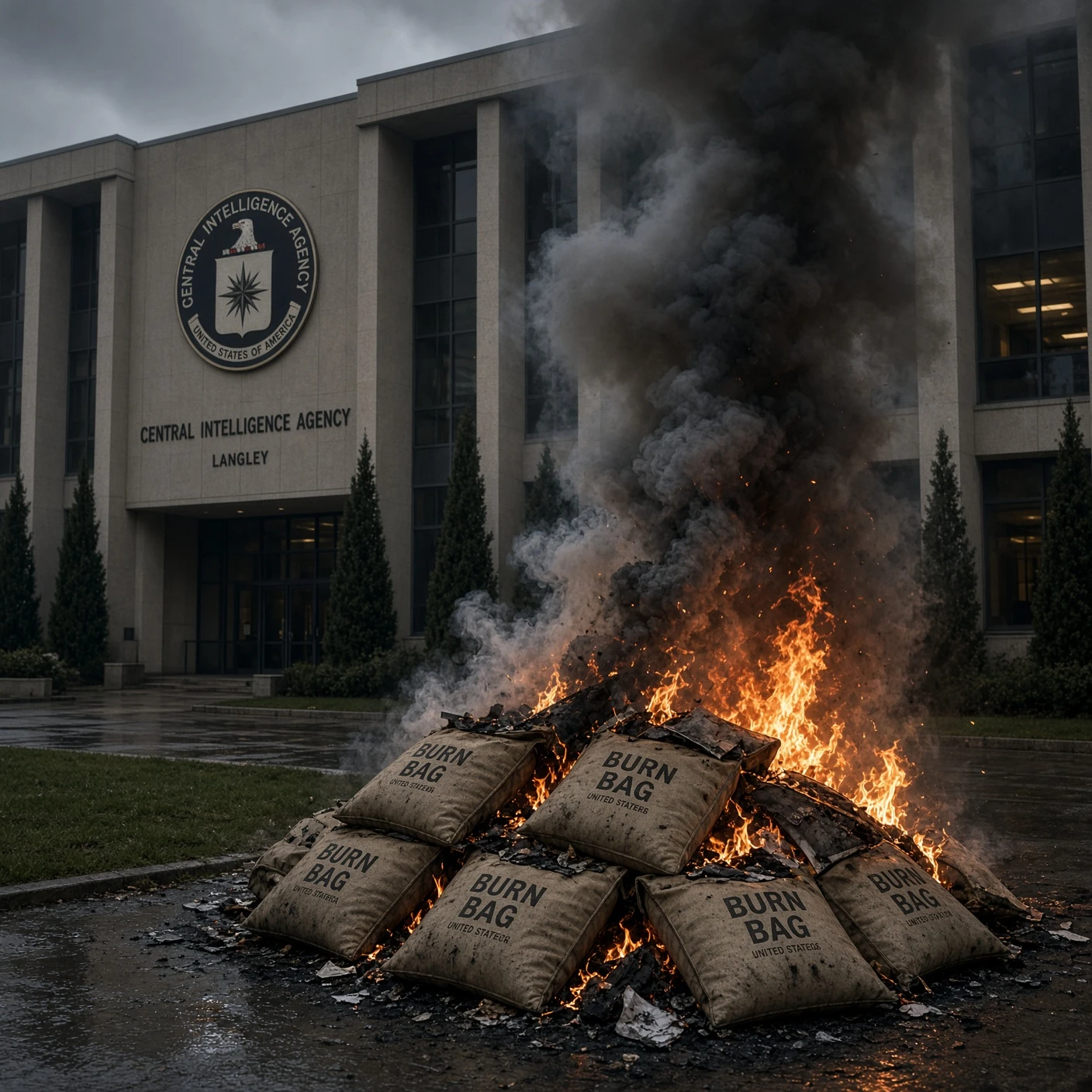
Oss Returns As Cia Headquarters Fills With Hvac Smoke by Grok is licensed under Grok xAI
|
OSS Returns as CIA Headquarters Fills With HVAC Smoke
Xi’s Rare Airport Greeting Affirms Restored American Strength Under Trump
Meet You At The Gate! Like The Good Ole' Days!
Hung Cao’s Praise of Jesus Christ Defines the American Dream
Melting Pot Of Patriotism And Piety.

Trump Lands in Manila for Red-Carpet YMCA Welcome Before Putin-Xi Talks
Art Of The Deal...May It Work Out...As We Freak Out! Dancing, Dancing, Dancing...Dance The Night Away!
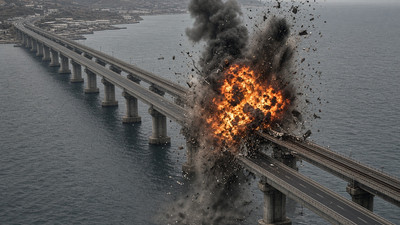
Techno-Fascist Imperium Damages Kerch Bridge to Force American War
The Golden Age Is Upon Us...Building Bridges, Not Blowing Them Up...Be Patient! Hopium Is Real.
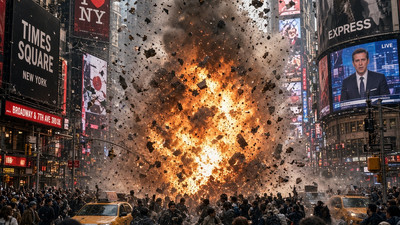
Mamdani Disbands NYPD Tactical Unit Amid Global Crisis: Leave New York.
Escape From New York! Where Are You Snake?
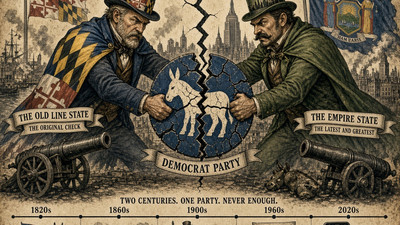
Maryland’s Van Hollen Claims Fifteen Votes Against Schumer’s Trump Edge
Is The Worm Turning??? We Shall See. It Is A Spy War! Worms...Worming Their Way Everywhere. Spy Worms!
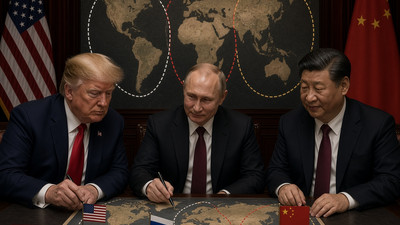
Trump Asia Tour Unleashes Japan, Reorients Order with Xi Putin
Risk...Art Of The Deal...World Domination!