Mayor Zohran Mamdani made the dissolution of the NYPD’s Strategic Response Group a central promise of his 2025 campaign, and he has now delivered. The SRG, a specialized unit of roughly five hundred officers formed in 2015, combined counter-terrorism readiness with the capacity to manage large and sometimes violent demonstrations. Critics on the left long denounced it as militarized; its defenders argued that specialized training was precisely what the city required when protests turned into coordinated disorder. On November 16, Mamdani, with the concurrence of Commissioner Jessica Tisch, announced the unit’s formal end. Counter-terrorism functions are to be folded into the Intelligence and Counterterrorism Bureau; protest response will shift toward a new civilian-led Community Dialogue and De-escalation Division without weapons or arrest authority, accompanied by bans on kettling, tear gas, and long guns. The mayor presented the change as the fulfillment of a democratic mandate and a more enlightened approach to public safety.
The timing is not incidental. The announcement arrived as a third American carrier entered the Gulf, Iranian forces threatened commercial shipping in the Strait of Hormuz, and intelligence reports circulated of possible Iranian plans involving unconventional weapons against American targets. New York remains the nation’s financial and media capital and a perennial symbolic target. A city that treats the maintenance of order at mass gatherings as a dialogue exercise rather than a hard capability is advertising a preference for process over capacity at the moment when external actors are testing Western resolve. The SRG’s dual mission was never elegant, but it reflected the reality that the same unit might be required to interdict a vehicle-borne threat one day and prevent a demonstration from paralyzing bridges the next. Separating those functions on paper does not eliminate the underlying risk; it merely redistributes trained personnel while signaling that the political priority is the protection of protest optics.
Residents of New York City who can leave should consider doing so. The administration’s theory of public safety rests on the hope that dialogue and reassignment will prove sufficient, even as the geopolitical environment grows more lethal and the city’s own recent history includes repeated episodes in which specialized units were needed precisely because ordinary patrol was overwhelmed. Major-crime statistics have improved in 2026, yet the structural decision to dismantle a dedicated tactical capability in favor of civilian de-escalation teams reveals a hierarchy of values: the comfort of activist constituencies over the readiness of the metropolis. History does not award points for intention when the next organized disturbance or external attack arrives. Those with options have little reason to remain the experimental subjects of an ideology that subordinates order to ideology at the least convenient hour.
Additional ADNN Articles:
Mamdani’s Socialist Sweep: New York Abandons America, Democrats Reject Nation
Trump Honors 9/11 Dead While Mamdani Laughs Among Mourners
LaGuardia MANPADS Terror Alert Shakes Delta Flight 2604 Night Landing
NYC Surrenders: 16 Landmarks Green for Muslim Heritage Month

Mamdani Disbands NYPD Tactical Unit Amid Global Crisis: Leave New York.
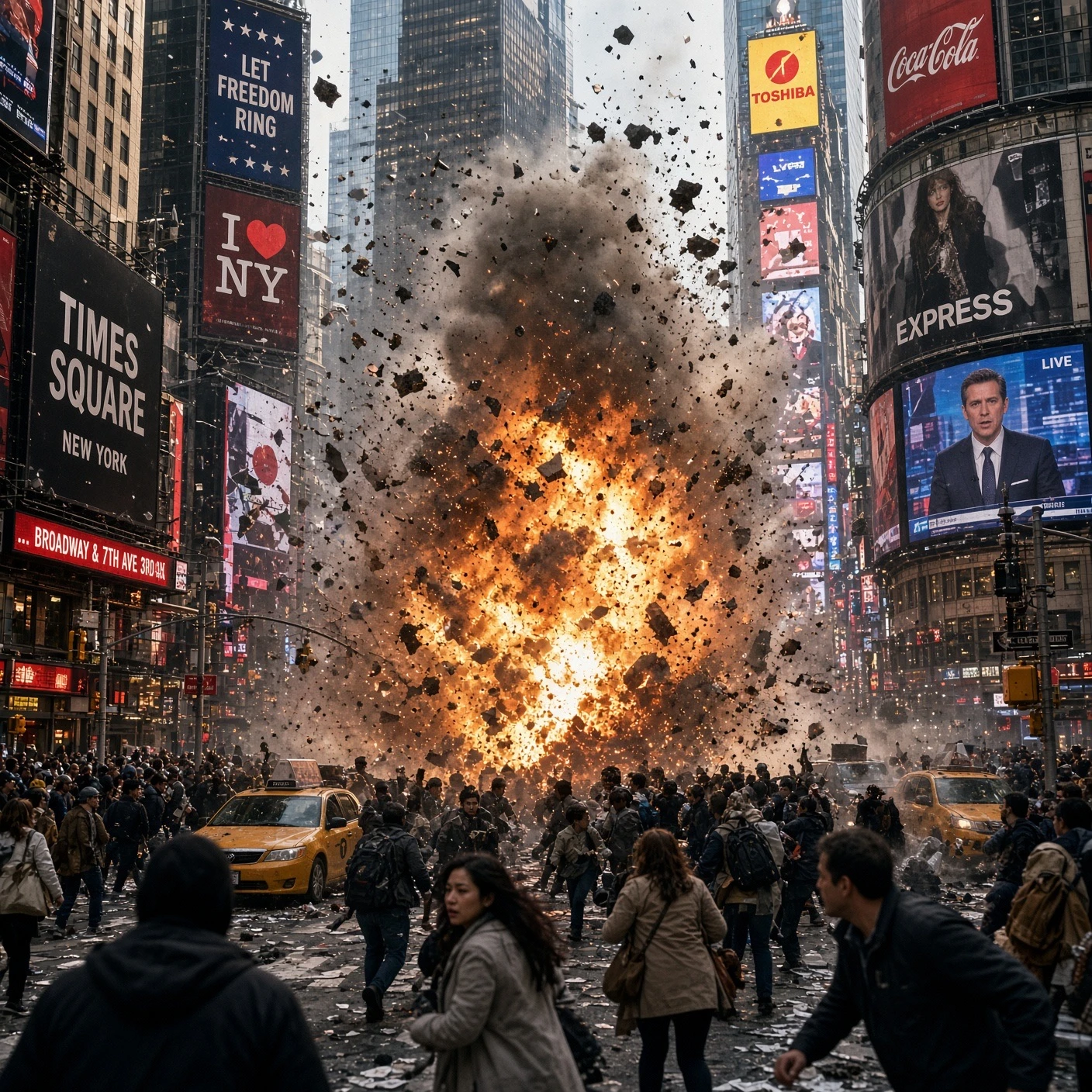
Mamdani Disbands Nypd Tactical Unit Amid Global Crisis Leave New York. by Grok is licensed under Grok xAI
|
Mamdani Disbands NYPD Tactical Unit Amid Global Crisis: Leave New York.
Trump Lands in Manila for Red-Carpet YMCA Welcome Before Putin-Xi Talks
Art Of The Deal...May It Work Out...As We Freak Out! Dancing, Dancing, Dancing...Dance The Night Away!
Techno-Fascist Imperium Damages Kerch Bridge to Force American War
The Golden Age Is Upon Us...Building Bridges, Not Blowing Them Up...Be Patient! Hopium Is Real.
Maryland’s Van Hollen Claims Fifteen Votes Against Schumer’s Trump Edge
Is The Worm Turning??? We Shall See. It Is A Spy War! Worms...Worming Their Way Everywhere. Spy Worms!
Trump Asia Tour Unleashes Japan, Reorients Order with Xi Putin
Risk...Art Of The Deal...World Domination!

Heritage American Rejects Lectures from Illegal Immigrants Who Hate Nation
Racism Is Real. Embrace It...Don't Hate It. Heritage Is Also Real. Love It Or Leave It!
AI Ends the Classroom Charade: No One Reads or Grades.
The End Of Education...The Beginning Of The Golden Age!
SpaceX Catches Rocket, Reuse Slashes Costs, Opens Space Frontier
Flat Earth Is Ours! So Are The Stars...
Trump’s Golf Tip Meets Judge’s Block: This Will Not Stand
Dropped In The Drink! Potomac Put Put...