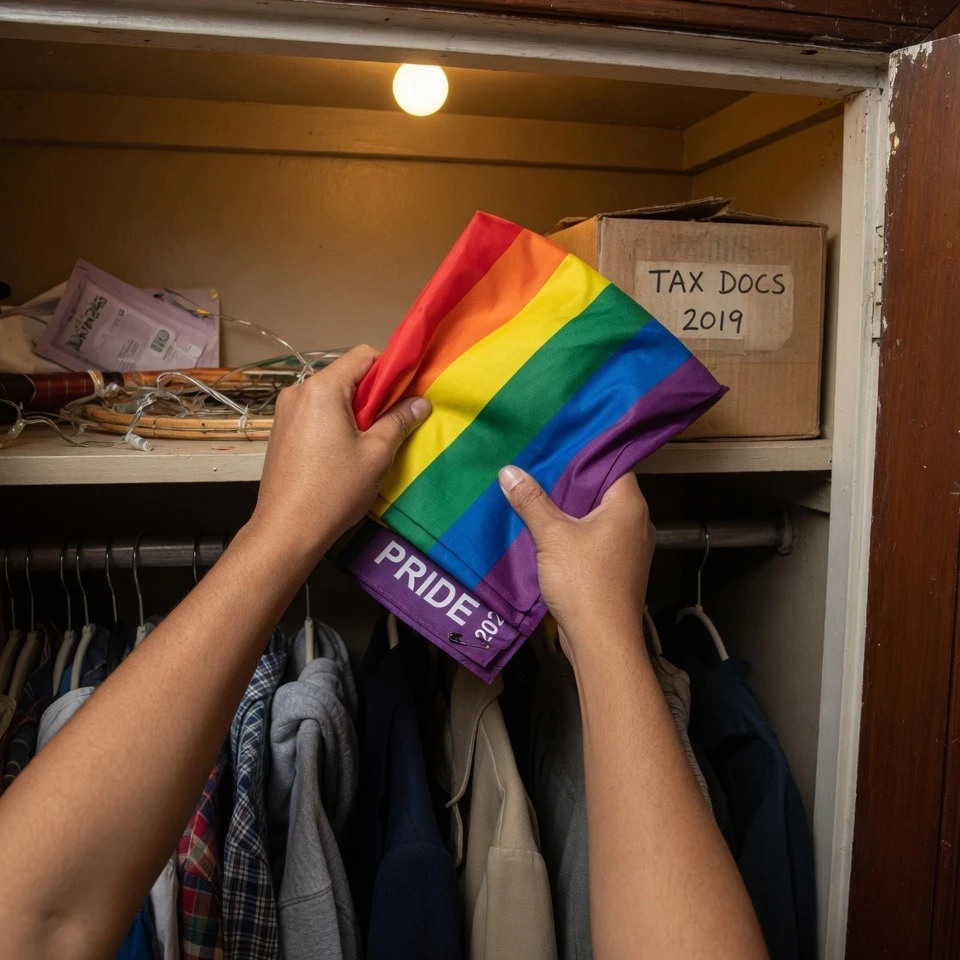
On June 1st, as Pride Month traditionally kicked off, a noticeable shift became evident among many major corporations and civic institutions. What was once an annual flood of rainbow logos, sponsored parades, and virtue-signaling campaigns appeared far more subdued. Surveys from firms like Gravity Research indicated that around 39% of companies planned to scale back their public Pride engagements compared to previous years, with none expecting to increase them. Brands that had aggressively marketed Pride merchandise and events in the past—facing prior consumer boycotts like those against Bud Light and Target—opted for quieter approaches, lower-profile sponsorships, or none at all. This wasn't universal silence, but the enthusiasm had clearly cooled, suggesting executives were reading the room on public appetite.
Many institutions seemed slow to grasp that broad swaths of the American public, often invoked as "We the People," had grown weary of the mandatory corporate celebration. Years of high-profile controversies over youth transitions, sports participation, and the blending of Pride with explicit content at family events contributed to fatigue. Public polling reflected stable majorities favoring basic nondiscrimination but declining tolerance for perceived overreach, with corporate risk assessments now prioritizing backlash avoidance over performative allyship. Civic bodies and local governments in some areas continued flag raisings and proclamations, yet national momentum had fractured. The assumption that universal participation in June's rainbow rituals reflected consensus no longer held; instead, it highlighted a disconnect between elite institutional habits and everyday sentiment.
This hesitation marked a pragmatic recalibration rather than outright rejection of individual rights. Companies and institutions hedging their bets on June 1st reflected lessons from market feedback and shifting cultural priorities, where economic caution and respect for diverse viewpoints—including those prioritizing traditional family structures or biological reality—gained ground. While dedicated communities still marked the month, the era of unchallenged corporate Pride dominance appeared to be waning, forcing a recognition that "We the People" encompasses a broader spectrum of priorities than endless expansion of identity-focused observances. The muted response served as a quiet indicator that enthusiasm for turning every June into a commercial and ideological crusade had lost its former grip.
Additional ADNN Articles:
Homosexual Sexual Predators Are Being Washed From Hegseth’s Military
Tyler Robinson’s Trans Partner Luna Twiggs, a Biden Supporter, Linked to Radicalism in Kirk Assassination
Crocs Feel Good Until You Look Down and Realize You Are Gay
Trump’s Golden Eagle Guards Constitution in Oval Office

Institutions Blind to We the People Rejecting Pride Month
Institutions Blind to We the People Rejecting Pride Month

Ukraine’s Swarm Hits Moscow Refinery as Russia Warns Retaliation
World War Three, Anyone?
Iran Issues Code 100 as Trump and Netanyahu Rush Home
Turn Up The Volume!
Trump Forms AI Force and Czar; Will Not Stifle Industry
May The Force Be With You! Superior Intelligence Is The New AI!
No First Amendment Right To A Seat In West Wing
Mockingbird Press Pissed At Being Locked Out As They Are The "Deep-State-Run-Media" - The Propaganda Arm Of The Intelligence Community Driving Mind Control - Fucking Commies! God To Hell You Sickos!
Trump Secures Infinite Life Greenland Pact Barring China, Russia
Make America Greenland Again - Orangeman Wins Again! God Bless The Red, White And Blue!
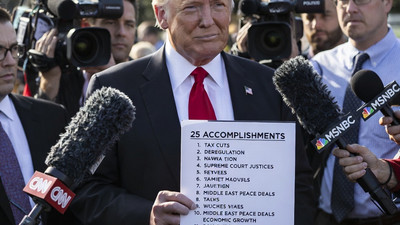
Trump Posts Twenty-Five Term-Three Wins No Predecessor Matched
MAGA? Maybe...Let's See What Is Next.
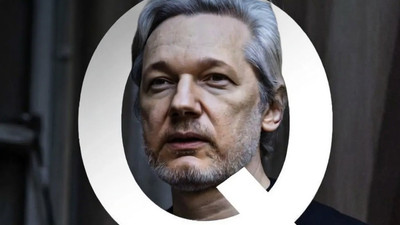
Assange Returns on Constitution Day as the Storm Breaks Worldwide
Trust The Plan? Who The Fuck Are The Planners Of The Plan? Its A Mystery To Us!

Sydney Sweeney’s Playful Ad Rebukes Hypocritical Athletes and Woke Scolds
Tits And Ass Sells. Thank God!