Special envoy Jared Kushner’s recent assessment of Vladimir Putin cuts through the usual fog of diplomatic platitudes. Putin, he observed, is very organized. People can like what he has done or not, but he is definitely a grandmaster of politics—a historic figure who arrives at every session fully prepared, thoughtful, and in command of the material. In an age when too many Western capitals substitute moral theater for strategic clarity, Kushner’s plain recognition of competence is itself a form of seriousness.
The detail that sticks is the note-taking. When Kushner and Steve Witkoff speak, Putin records extensively and then transmits his positions with precision. That habit reveals a man who treats the conversation as material to be mastered rather than a stage for performance. It is the posture of someone who has spent decades inside the machinery of state power and who understands that durable outcomes require exact recollection and controlled expression. Whether one approves of the ends he pursues, the method is that of a professional who does not leave the board to chance.
Kushner’s own judgment is that Putin wants more than a ceasefire. He wants to change the relationship with America and to test whether a new beginning is possible. That reading places the present talks inside a larger geopolitical frame: an attempt, however provisional, to reopen a channel that the previous decade had sealed. If the observation is accurate, the practical question for American policy is not whether to admire the player but whether the United States can extract advantage from a counterpart who arrives organized, records the exchange, and signals interest in a reset. History rewards those who read the board as it is, not as they wish it to be.
Additional ADNN Articles:
US Envoys Kushner and Witkoff Arrive in Moscow for Peace Talks
Witkoff, Kushner Hold Encouraging Kyiv Talks, No Peace Breakthrough
Putin and Trump Defend Civilization Against the Woke Dark
Trump Alone Unites Xi and Putin on Reform, Fuel, Nuclear Risks

Kushner Calls Putin Organized Grandmaster Seeking New American Beginning
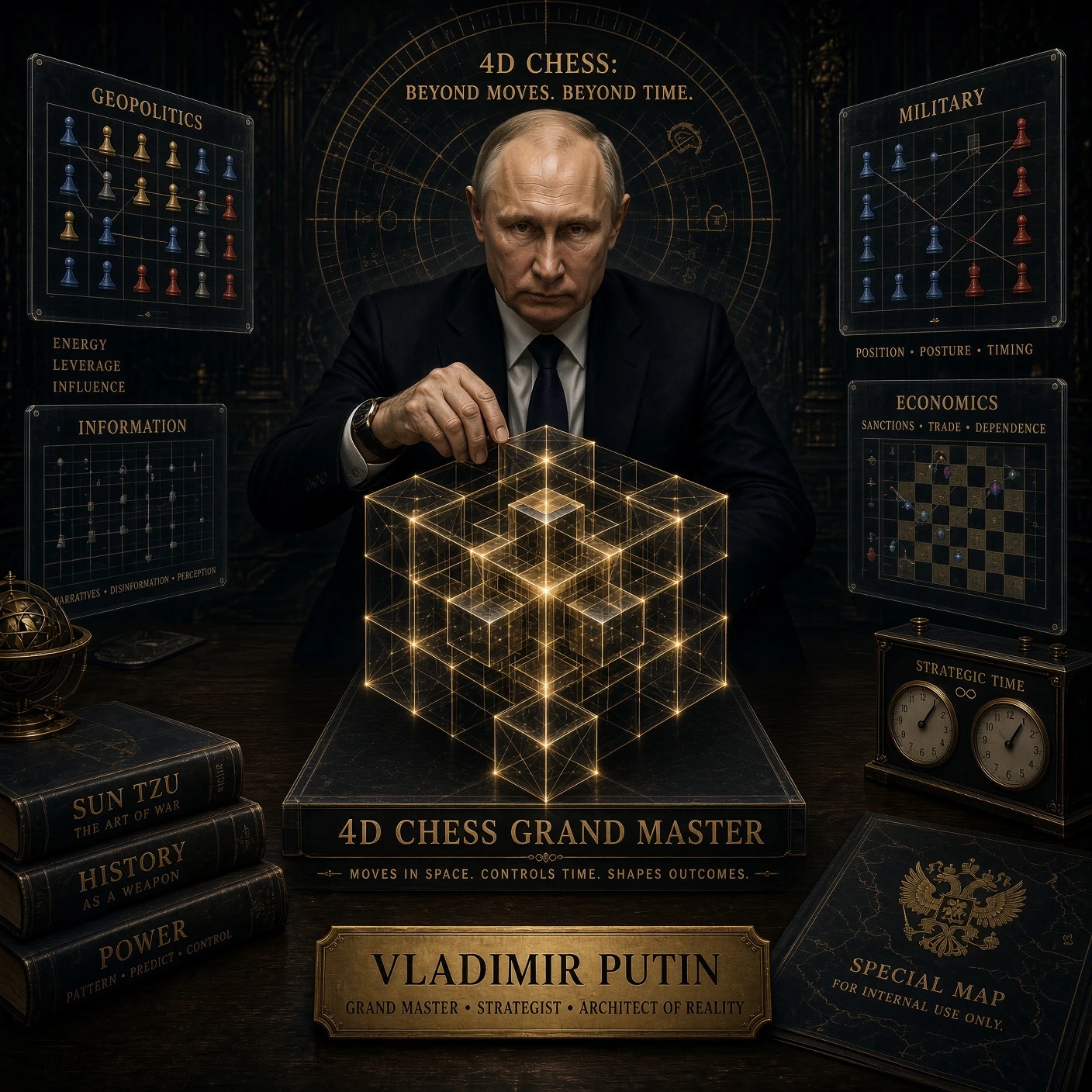
Kushner Calls Putin Organized Grandmaster Seeking New American Beginning by Grok is licensed under Grok xAI
|
Kushner Calls Putin Organized Grandmaster Seeking New American Beginning
Trump Tariffs Force China Vietnam India Toward Immediate Trade Deals
Art Of The Deal...Asia Pacific Style.

Steelers Cut Rodgers After Interview Nukes McCarthy And Liberal Rooneys
The Truth Teller - Being A Dragon Slayer Is Lonely Business! Burn It Down!

Macy’s Centennial Parade Postponed First Time in Its History
Talk About Letting The Air Out Of The Balloon!
Vicious Fight Over Huang Signals Rise of Sovereign Full Stack
Dear Jensen, You can’t eat your cake and have it too. - Love, Ted
Kilmar Abrego Garcia Self-Deports to Spain, Permanently Banned from America
Fly Away....Bye Bye.
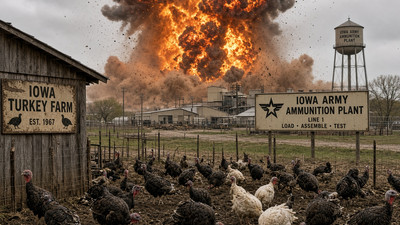
Army Detonates 9,500 Pounds Unstable Lead Azide in Iowa
Big Bang! Turkeys...
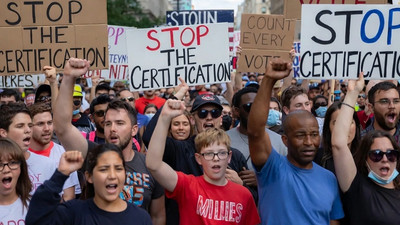
Americans Demand Officials Withhold Certification Over Midterm Irregularities.
Elections Are Fake And Gay...Everyone Knows It! Time For Change!