In behavioral psychology, the phenomenon known as an extinction burst—or more colorfully, “extinction rage”—occurs when a previously reinforced behavior suddenly stops producing its expected reward. Consider a monkey trained to push a button for a banana: consistent rewards create a strong association, making the action habitual and anticipated. When the bananas cease entirely, the monkey does not calmly accept the change. Instead, it often intensifies its efforts, pounding the button harder, faster, or with greater agitation, sometimes accompanied by vocal outbursts or aggressive displays. This surge represents frustrative nonreward, an emotional response rooted in the brain’s dopamine system reacting to violated expectations. The intensity peaks before the behavior eventually fades if the reward remains absent, illustrating how organisms resist the disruption of established patterns.
Humans encounter parallel experiences in everyday life, such as the frustration of a vending machine that swallows money without dispensing a snack. The initial response is rarely quiet resignation; people might shake the machine, press buttons repeatedly, curse, or even kick it in a brief burst of anger. This mirrors the monkey’s reaction because the mind anticipates a reliable outcome based on prior conditioning. The agitation stems from a mismatch between expectation and reality, triggering emotional arousal that can feel disproportionate to the minor stakes involved. Such moments reveal how deeply wired our responses to interrupted rewards are, blending evolutionary survival mechanisms with modern conveniences where reliability is taken for granted.
Applied to social and political dynamics, this analogy describes the reaction observed when longstanding rhetorical tools lose their potency. Accusations of racism, sexism, antisemitism, or homophobia have functioned for years as potent social reinforcers, eliciting shame, compliance, or defensive withdrawal from targets seeking to avoid reputational harm. When segments of the public cease to respond with automatic fear or concession—treating the labels as unearned rather than definitive—the result resembles an extinction burst: heightened agitation, escalated rhetoric, and intensified campaigns from those accustomed to the old pattern. The “rage” manifests as louder denunciations, institutional pressure, or cultural backlash, as the expected yield of control evaporates. Over time, if the non-reward persists, the strategy may diminish, highlighting how behavioral principles operate even in complex human societies beyond simple laboratory settings.
Liberal Women Inflict Cluster B Society On America https://americansdirect.net/articles/liberal-women-inflict-cluster-b-society-on-america
No Kings Hypocrites Pivot to May Day Communist Uprising https://americansdirect.net/articles/no-kings-hypocrites-pivot-to-may-day-communist-uprising
Supreme Court Gutted Racist Voting Rights Act Provision https://americansdirect.net/articles/supreme-court-gutted-racist-voting-rights-act-provision
Met Gala DEI Orgy of Blacks and Ethnics Fuels Violent Backlash https://americansdirect.net/articles/met-gala-dei-orgy-of-blacks-and-ethnics-fuels-violent-backlash

Left’s Extinction Rage Erupts as Racism Accusations Lose Their Power
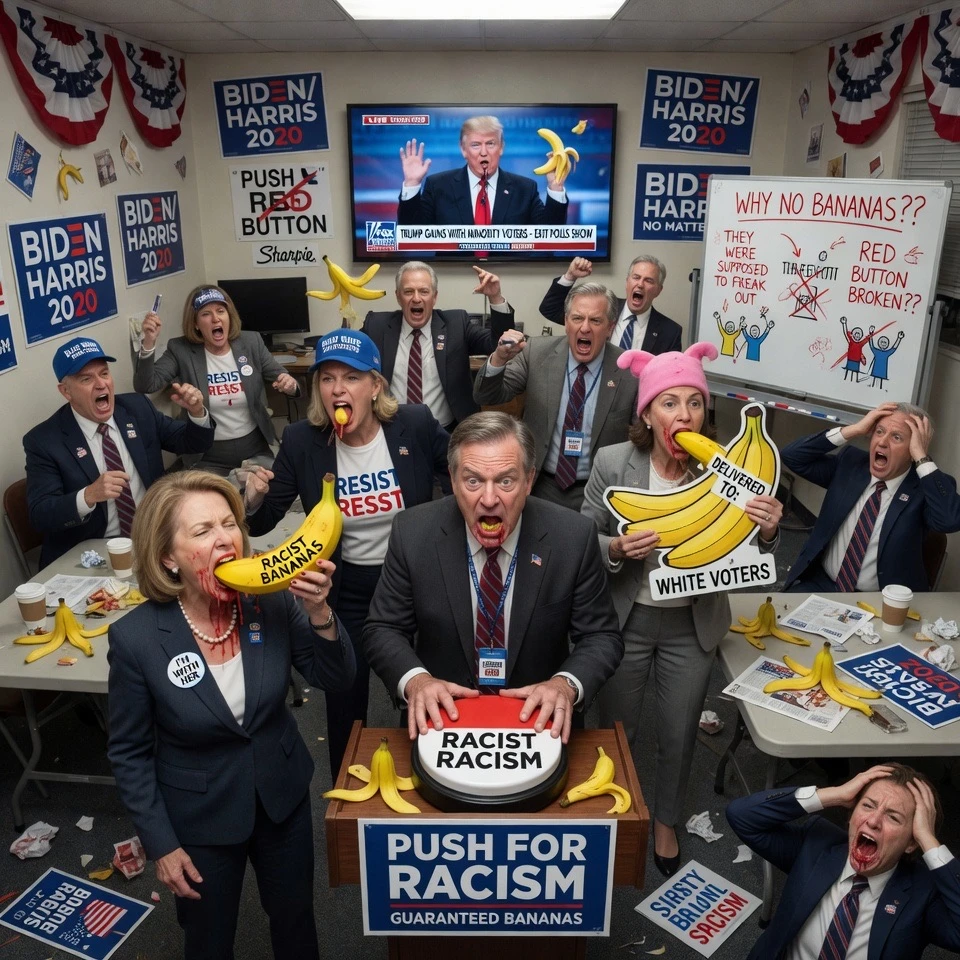
Left S Extinction Rage Erupts As Racism Accusations Lose Their Power by Grok is licensed under Grok xAI
Left’s Extinction Rage Erupts as Racism Accusations Lose Their Power

Farmer’s Call Forces Rearrest of Five Over Fairford Plot
Arrest Them All!


You Built Pattern Recognition. What Did You Expect Would Happen?
Racism Is Real...Not Artificial.

USC Celebrates Illegal Hit on Top Prospect Dante Moore
Gridiron Games...

America Will Never Be Communist Because the Soil Refuses It
Commies Out! Better Dead Than Red!

Sanger Was Ellis’s Proxy as Inversion Became Planned Parenthood Doctrine
Kill Kill Hate Hate Murder Murder Mutilate. These Sickos Have Done Real Damage!