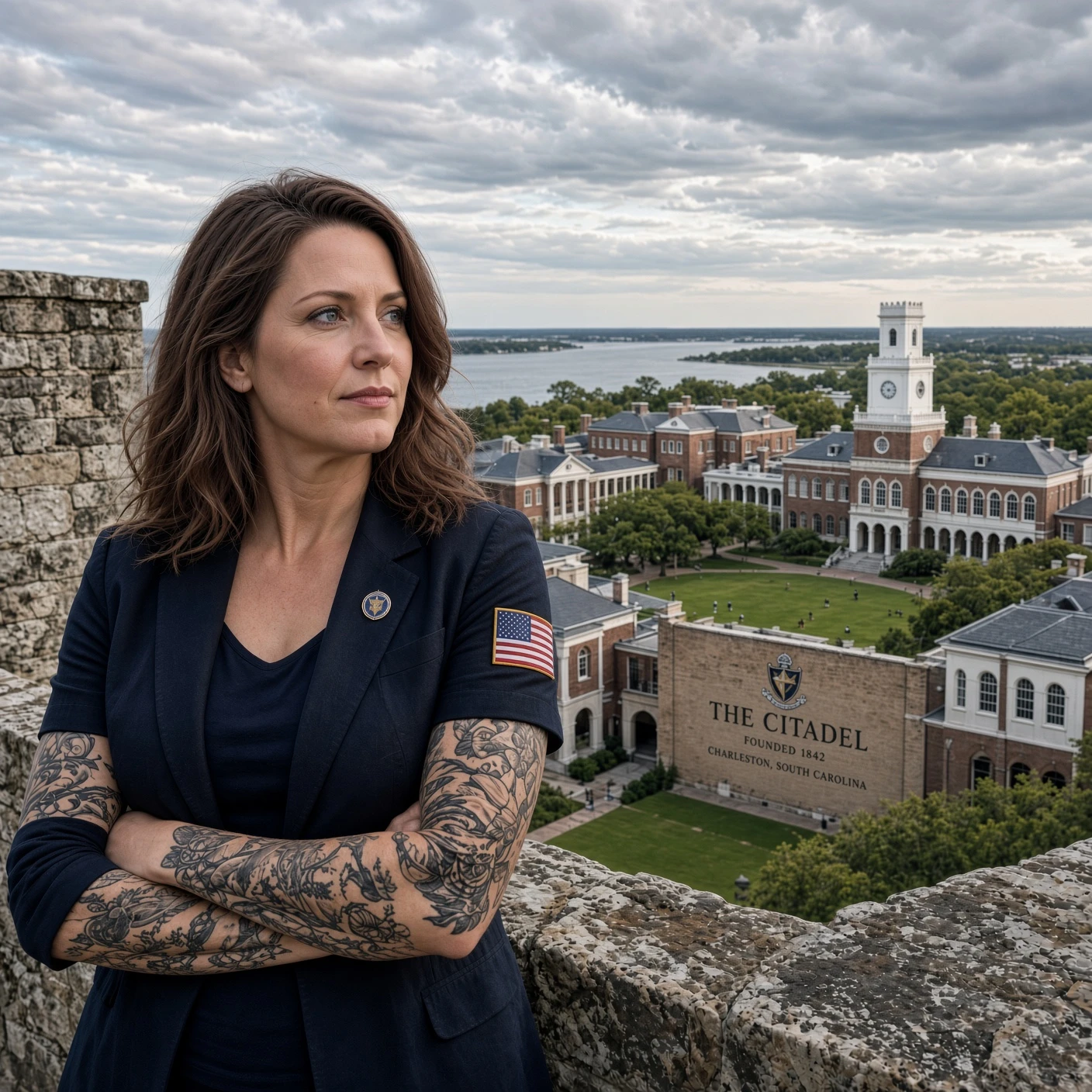
Recent photographs of Congresswoman Nancy Mace displaying arms dense with new tattoos arrive at a moment when the data on such markings grow steadily less ambiguous. Researcher Emil Kirkegaard has assembled the pattern with characteristic bluntness: individuals without tattoos average half a standard deviation higher on predicted intelligence, while those bearing large or multiple tattoos sit near the mean or slightly below, and register a clearer deficit on measures of mental health. The associations are consistent across samples, stronger for extensive coverage than for modest marks, and track closely with education and income. They do not prove causation, yet they refuse to vanish when the usual excuses are applied. That nearly half of young women now carry at least one tattoo marks a sharp reversal of older class and sex patterns; the correlations suggest the change is not an advance in self-expression so much as a visible sorting of temperament and impulse control.
Mace’s own history lends the images a particular sharpness. She remains the first woman to graduate from The Citadel, the military college that once defined itself by the exclusion of her sex and that spent years in litigation and internal upheaval before accepting female cadets. Her father later served as commandant during the institution’s forced transition. The corps that once prided itself on discipline, hierarchy, and the subordination of personal display now watches one of its pioneering alumnae present herself sleeveless, arms inscribed with quotations from Virginia Woolf and other private emblems acquired, by her own account, during a period of personal collapse. The same academy that once treated the female body as an intrusion into male order has, in the person of its most famous female graduate, absorbed the contemporary fashion for permanent self-decoration without apparent institutional comment.
It is difficult to observe this sequence without noting the inversion. An institution that once enforced uniformity of appearance and deferred gratification now finds its trailblazer advertising the opposite virtues. The tattoos are presented as reclamation and resilience; the psychometric record suggests they more often signal the opposite. Whether the incongruity belongs chiefly to the congresswoman, to the college that produced her, or to the broader culture that has normalized such markings is a question the photographs themselves force into view.
Additonal ADNN Articles:
Hegseth Strips Kendall Clearance Over Leak Revealing Deep Infiltration
John Solomon: Our Intelligence Agencies Pose Greatest Threat to Elections
Trump Vows Hormuz Strait Will Become United States Territory
Americas Coalition Motto: We Do Bad Things To Bad People
https://americansdirect.net/articles/hegseth-strips-kendall-clearance-over-leak-revealing-deep-infiltration
https://americansdirect.net/articles/john-solomon-our-intelligence-agencies-pose-greatest-threat-to-elections
https://americansdirect.net/articles/trump-vows-hormuz-strait-will-become-united-states-territory
https://americansdirect.net/articles/americas-coalition-motto-we-do-bad-things-to-bad-people

Mace's Inked Arms Expose the Cognitive Price of Indulgence
Mace's Inked Arms Expose the Cognitive Price of Indulgence
Byron Donalds Calls Man Sir Twice And Meltdown Erupts Instantly
Chimping Out And Mental Illness = Funny Combination!

Groypers Wave America First Flag as Melting Pot Forges Them
Speaking Of Gay...
Scientists Deploy Prime Editing Inside the Human Body for First Time
Super Human? Or Super Gay? How About Fixing That!!!
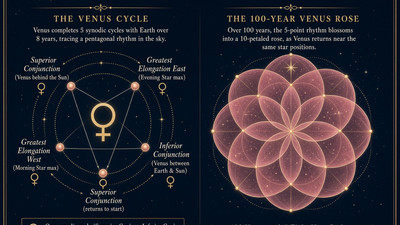
Venus Ends Century-Long Scorpio Cycle, Enters Libra’s Scales of Justice
Justice Is Coming???

Russian Diesel Tanker Heads to New York Under Trump Deal
Russians In NYC? Moscow Rules Apply! But This Friendly Exchange Is the Beginning Of The End. But Of What? Time Till Tell.

Trump, Vance Back Ramaswamy Ad as Ohio GOP Recoils
Repeal The 19th! Pajeet On The Street...Take America Back People!

Scientists Clear Alzheimer’s Plaques From Brain in Minutes Without Drugs
Bones: "For God's Sake I Am A Doctor, Man!" - The Future Is Now!