Matt Walsh has indeed produced a string of provocative historical documentaries in his “Real History” series for DailyWire+. These episodes challenge conventional classroom accounts of foundational American events, particularly around slavery, the Civil War, and the Civil Rights movement. Walsh draws heavily on primary sources, census data, and global context to argue that many dominant narratives oversimplify or distort the past to serve modern ideological ends. His approach emphasizes nuance—such as the ubiquity of slavery across human civilizations and the complex motivations behind major conflicts—positioning his work as a corrective to what he sees as politicized education in U.S. and British schools.
In his episode on slavery, Walsh highlights that the institution predated and extended far beyond the American South, involving African kingdoms selling captives, Islamic slave trades targeting Europeans, and larger-scale systems elsewhere. He notes that white Europeans and Americans played a leading role in abolition efforts worldwide, with the U.S. Civil War and 13th Amendment as key milestones, framing “white men” in a heroic light for ending legal slavery in many places by the early 20th century. Critics accuse him of downplaying the brutality of American chattel slavery, but supporters praise the global perspective as a rebuttal to exceptionalist guilt narratives taught in schools.
His takes on the Civil War and Civil Rights era similarly question textbook emphases. Walsh argues the war’s causes were multifaceted—economics, states’ rights, and political power—beyond just slavery for many ordinary soldiers, citing letters and enlistment motivations. On Civil Rights, recent installments explore alleged violence, communist influences, and long-term societal “horrors” tied to expansions of federal power post-1960s, while acknowledging achievements like ending legal segregation. These views buck mainstream portrayals of inevitable moral progress under certain leaders, sparking debate over whether they offer fresh inquiry or selective revisionism. Regardless, Walsh’s content has resonated with audiences seeking alternatives to standard curricula.
Additional ADNN Articles:

Matt Walsh’s Revisionist History Bucks Mainstream Civil War Narratives
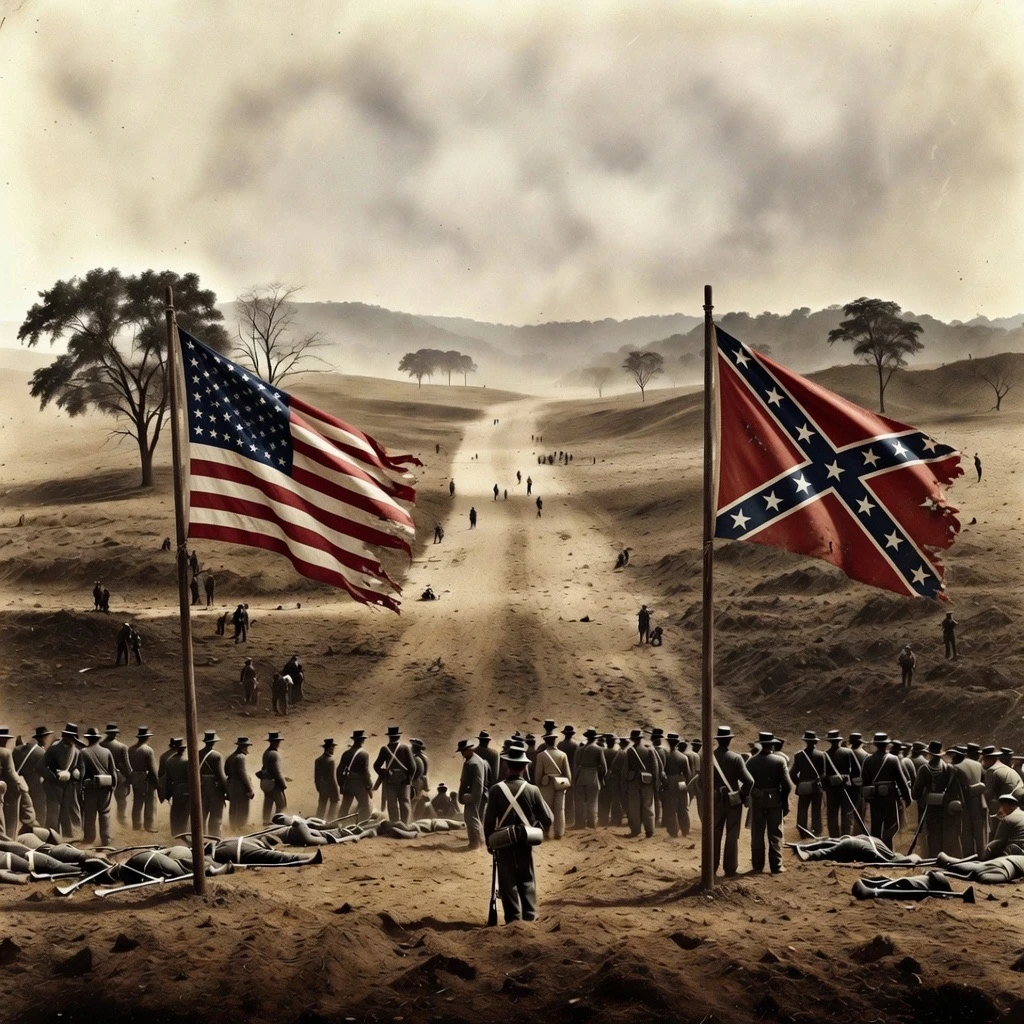
Matt Walsh S Revisionist History Bucks Mainstream Civil War Narratives by Grok is licensed under Grok xAI
Matt Walsh’s Revisionist History Bucks Mainstream Civil War Narratives

Farmer’s Call Forces Rearrest of Five Over Fairford Plot
Arrest Them All!

You Built Pattern Recognition. What Did You Expect Would Happen?
Racism Is Real...Not Artificial.
USC Celebrates Illegal Hit on Top Prospect Dante Moore
Gridiron Games...

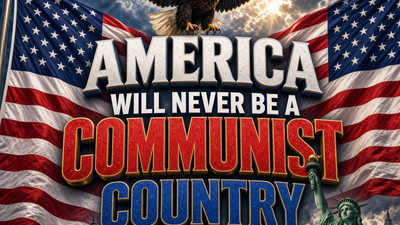
America Will Never Be Communist Because the Soil Refuses It
Commies Out! Better Dead Than Red!
Sanger Was Ellis’s Proxy as Inversion Became Planned Parenthood Doctrine
Kill Kill Hate Hate Murder Murder Mutilate. These Sickos Have Done Real Damage!