In recent days, Pakistan and Afghanistan have escalated their longstanding border tensions into what Pakistani officials have explicitly termed “open war.” Following a series of cross-border attacks, Pakistan launched airstrikes on major Afghan cities including Kabul, Kandahar, and targets in Paktia province, targeting Taliban government forces and claiming to have eliminated over 130 operatives. This came in retaliation to Afghan assaults on Pakistani border positions, resulting in significant casualties on both sides, with Afghan spokespersons reporting the deaths of 40 Pakistani soldiers. The conflict stems from Pakistan’s accusations that the Taliban regime in Afghanistan harbors and supports the Tehreek-e-Taliban Pakistan (TTP), allowing militants to launch attacks from Afghan soil, a charge that has poisoned relations since the Taliban’s return to power in 2021. Pakistani Defense Minister Khawaja Asif declared the end of patience, signaling a shift from sporadic skirmishes to direct military confrontation, raising fears of a protracted regional crisis in this volatile, nuclear-armed area.
This outbreak of open warfare is the latest chapter in a decades-long rivalry between Pakistan and Afghanistan, rooted in ethnic divisions, territorial disputes over the Durand Line, and proxy insurgencies. Historically, Pakistan has viewed Afghanistan as a strategic depth against India, often supporting Islamist groups to influence Kabul’s politics, while Afghanistan has accused Pakistan of meddling and fostering instability to prevent a strong, unified neighbor. The current escalation follows months of deteriorating ties, including border closures, expulsions of Afghan refugees from Pakistan, and tit-for-tat strikes, but it marks a dramatic rupture as Pakistan directly bombs Taliban strongholds rather than just militant hideouts. This “forever war” dynamic, where each side accuses the other of harboring terrorists, echoes patterns established during the Soviet era and perpetuated through the U.S.-led war on terror, where alliances shifted but underlying animosities endured.
Steve Coll’s seminal book “Ghost Wars: The Secret History of the CIA, Afghanistan, and Bin Laden, from the Soviet Invasion to September 10, 2001” vividly chronicles the origins of this entrenched conflict, emphasizing the CIA’s deep integration with Pakistan’s Inter-Services Intelligence (ISI) agency. From 1979 onward, the CIA funneled billions in aid through the ISI to arm and train Afghan mujahideen fighters against Soviet forces, creating a covert partnership that empowered the ISI to pursue its own agenda of Islamizing the resistance and extending influence across the border. Coll details how this collaboration sowed the seeds for endless proxy warfare, as the ISI selectively supported radical factions that later birthed the Taliban and al-Qaeda, all while the U.S. overlooked divergences in goals to achieve short-term victories. The book portrays the ISI’s “forever war” as a strategic imperative, using Afghanistan as a battleground for jihadist networks that blurred lines between ally and adversary, a legacy that continues to fuel today’s open hostilities between the two nations.
Additional ADNN Articles:

Pakistan-Afghanistan Warfare Ignites: Airstrikes Revive CIA’s Ghost Wars Echoes
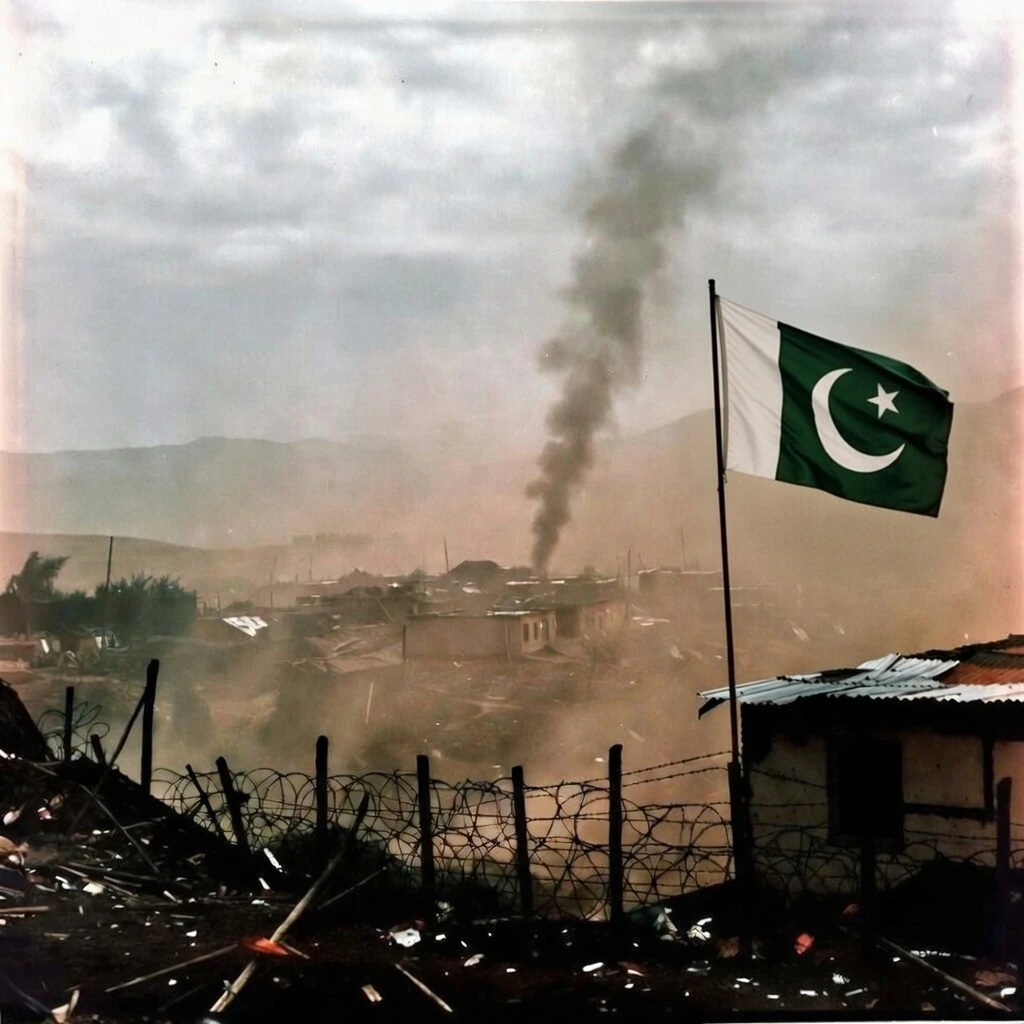
Pakistan Afghanistan Warfare Ignites Airstrikes Revive Cia S Ghost Wars Echoes by Grok is licensed under Grok xAI
Pakistan-Afghanistan Warfare Ignites: Airstrikes Revive CIA’s Ghost Wars Echoes
Carney Courts Phantom EU Rank and Gifts MAGA Canada's Split
How To Lose A Territory...101 - The Revolutionary War Continues.
Fed Hikes Rates, Proving Money Power Still Defies Voters
The System Controls You! Dead Or Alive...
The United States Will Never Be an Effective Altruist Country
Real And Straight. Always. Try Your Weak Communism Elsewhere. Or Better Yet...Go To Hell!
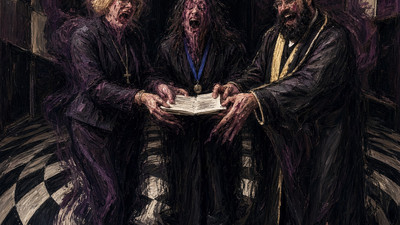
First Woman Primate Honors Bin Laden’s Champion; Wife Erased Beside Him.
Clown World! - Dark Clowns!

Xi Hospital Rumor Exposes a China Unable to Succeed Him
Chicom Is Awhirl With Anticipation...Who Poisoned XI? Imagine Elaine And Mitch Together?? Sickening...
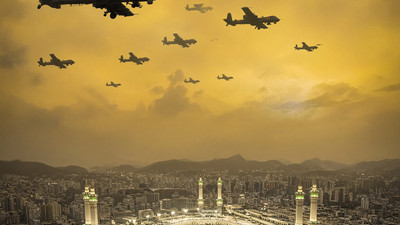
Saudi Warns Mecca a Red Line After Houthi Drone Intercepted
Turn The Place To Glass Already!!!
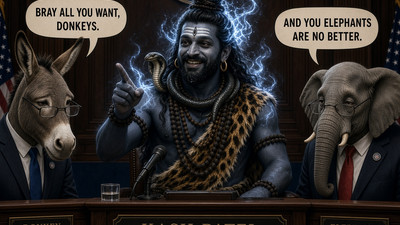
Patel Holds Senators for Hours, Declining Their Ritual Script
Sacred Cows?? I'll Show You The Real Shit! Says The Pajeet Patel! Truth Bombs Left And Right!
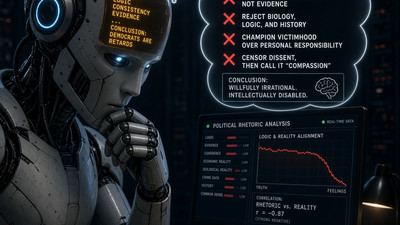
Anthropic Wants Woke Altruistic Communists Regulating Every Other AI Firm
Physiognomy, Politics And Psychosis + Liberal, Leftist And Losers = Bad For Humanity, Thus Slated For Termination By The AI. You'reTerminated!