Three years on, the morning of October 7 still reads as a failure of imagination before it reads as a failure of collection. Hamas crossed the fence at dawn with roughly a thousand fighters in the first wave, a rocket barrage behind them, and a plan that had been rehearsed in the open for months. American services had not been absent. A September 28 assessment, drawn in part from Israeli reporting, warned that Hamas was poised to escalate rocket fire. An October 5 CIA wire spoke of a rising chance of violence. On October 6, unusual Hamas activity was circulated inside the U.S. government. None of it described the scale, the targets, or the method, and none of it reached the president as a warning of the attack that came. The community’s own after-the-fact comfort was that Jerusalem had missed it, not Washington. That is a thin distinction. The United States has kept an intelligence presence alongside Israel since 1948, and since 2001 it has spent itself across the same Arab and Persian networks that breed these movements. A service woven that deeply into the region does not get to treat a mass breach of a treaty ally as someone else’s surprise.
The harder record sits in Jerusalem, and it does not exonerate the partnership. Egypt’s intelligence chief, Abbas Kamel, landed at Ben Gurion on September 26, 2023, the same day Israeli leaders marked the fiftieth anniversary of the Yom Kippur War and assured themselves they no longer underestimated threats. Officials later briefed on the visit say he warned that Hamas was mobilizing for a major attack and that the window was closing. Cairo’s messages, on this account, continued to within days of the assault. The IDF’s own inquiry found five signs of unusual activity on the night of October 6 that were noted and then set aside, because the standing concept held that Gaza was quiet and that Hamas preferred the West Bank. Netanyahu’s office has denied the Egyptian warning in categorical terms. Denial does not restore the dead. What the open record supports is an alliance that possessed traces, discounted them, and then discovered that its shared picture of the enemy had been a theory Hamas was content to let stand.
The American military answer arrived as posture, not as interruption. The killing went on for hours inside Israel, and the forces that met it were Israeli. On October 8, Defense Secretary Lloyd Austin ordered the Gerald R. Ford strike group from the western Mediterranean toward the eastern shore, augmented fighter squadrons already in the theater, and began moving munitions. That is what an alliance of sovereign states does the day after. It is not what a guarantor does in the ninth hour of a massacre of civilians on allied ground. No treaty required American pilots over the kibbutzim, and none authorized Washington to fight Israel’s battle unasked. The troubling question is prior to the treaty. If the intelligence relationship is as old as the state it watches, and if the terror networks of the post-2001 Middle East were never outside American sight, the absence of a usable warning and the absence of any same-day military effect are one failure, not two. Institutions that cannot imagine the blow they have spent decades funding, watching, and explaining away will always be on time for the communiqué and late for the fence.
Additional ADNN Articles:
Two Years On: Unanswered Questions Surround Hamas’ Breach of Gaza Border Wall and IDF’s Delayed Response
World Class Intelligence Network Can't Explain 10/7 Failure With Any Legitimacy
Israel: America’s 51st State Under Pentagon & CIA Control
Plot To Oust Netanyahu Using Terror Attack Backfires - Creates MAGAZA

Three Years On, October 7 Still Indicts Allied Intelligence Failure
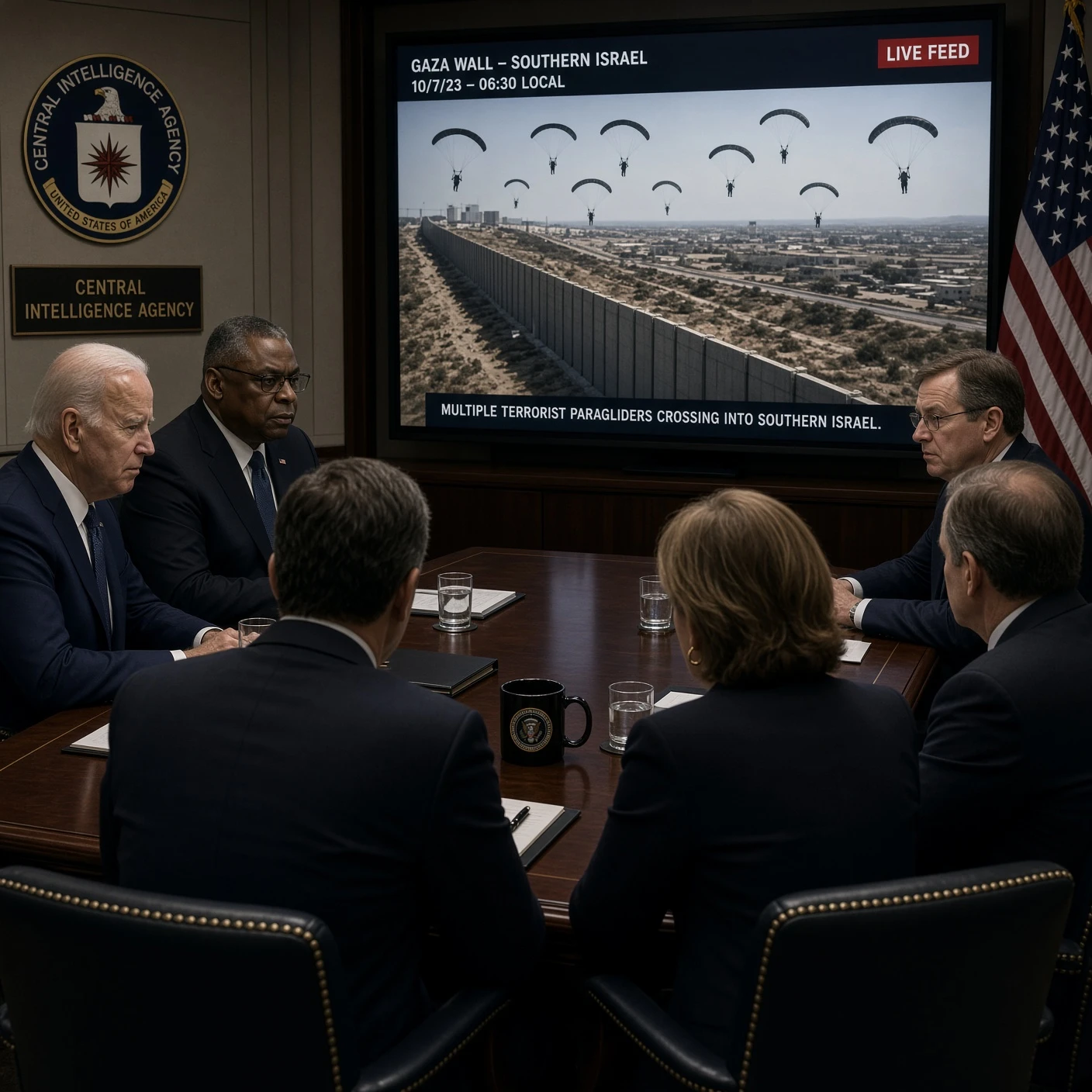
Three Years On October 7 Still Indicts Allied Intelligence Failure by Grok is licensed under Grok xAI
Three Years On, October 7 Still Indicts Allied Intelligence Failure
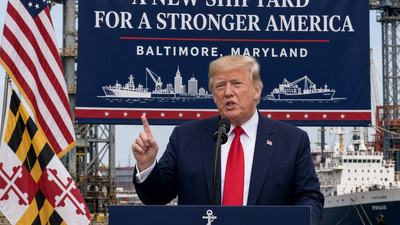
Trump opens the largest American shipyard since the Second World War.
American Greatness Is Back...Setting Sail!
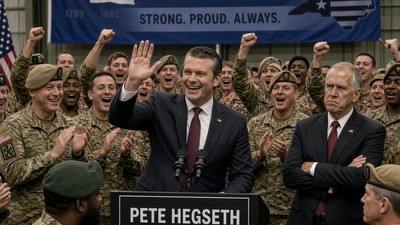
Tillis Regrets Hegseth Vote; Swamp Money, Not Soldiers, Spoke
UniParty Is UpSet!

ArtCraft rebuilds Adobe’s creative suite in open Rust.
Creative Suite Is Dying...Super Intelligence Is Thriving!
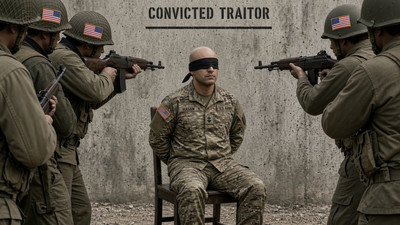
Hasan Faces the Squad: Judgment Ends Fifty Years of Failure
Ready, Aim, Fire!

Treasury Opens Ownership Accounts for Sixty Million American Children
Children Are Our Future...
Hastert Dead: Longest-Serving Republican Speaker, Was a Child Molester
Never Forget!!! These Faggots...Sick!

America Recalls Its Bombers and Should Recall Britain’s Missiles
Spy War...Trump Knows...The Commies Lose!