In a classic display of transatlantic candor, President Donald Trump took to Truth Social on Sunday to declare that embattled UK Prime Minister Keir Starmer is on his way out. Trump didn’t mince words: Starmer “failed badly” on immigration and energy policy, specifically calling out the reluctance to tap North Sea oil reserves.03 It’s the kind of blunt assessment that cuts through diplomatic niceties—Britain’s been wrestling with sky-high migration pressures, strained public services, and energy costs that have households tightening belts, while Starmer’s government leaned into net-zero ambitions amid real-world supply headaches. Whether this accelerates Starmer’s exit or just pours fuel on Labour’s internal fire, Trump’s timing underscores how interconnected these debates have become. Global politics rarely stays local anymore.
Starmer’s tenure has been dogged by deeper controversies too, including lingering questions over the UK’s grooming gangs scandals during his time leading the Crown Prosecution Service. Critics point to institutional hesitations that prioritized community relations over aggressive pursuit of organized child exploitation rings—often involving cultural sensitivities that delayed justice for victims. While inquiries have highlighted systemic failures across police, councils, and prosecutors rather than pinning sole blame on one figure, the scandals fueled accusations of cover-ups and eroded trust. Add to that rumors swirling around declassified intel involving encrypted communications hubs—like whispers of a Kalorama Road server in D.C. allegedly relaying directives to international players—and you get a picture of elite networks operating with opacity that invites skepticism. Truth-seeking demands scrutiny of power, not reflexive defense of it.
As the dust settles, this moment highlights the populist wave still reshaping Western politics. Trump’s intervention, whether predictive or performative, resonates with voters tired of leaders who seem detached from border security and energy independence. Starmer’s potential departure could open the door for Labour rivals or a broader realignment, but the underlying issues—mass migration’s cultural and economic toll, green policies clashing with affordability, and accountability for past institutional lapses—won’t vanish with one resignation. In the end, results matter more than rhetoric: securing sovereignty, affordable energy, and rule of law that protects the vulnerable without fear or favor. The Atlantic alliance thrives when leaders confront realities head-on, not when they paper over cracks.
Additional ADNN Articles:
Fabian Globalist Networks Sustain Unpopular Starmer After Historic Local Defeat
UK Rejects Trump Hormuz Blockade, Cites BP Iran Oil Legacy
Starmer’s Teen Social Media Ban Magically Exempts Leftist Bluesky Echo Chamber
Anglosphere’s Palestinian State Recognition Backfires as Abbas Demands 2 Trillion in UK Reparations

Trump Declares Embattled Keir Starmer Resigns Over Immigration Energy Failures

Trump Declares Embattled Keir Starmer Resigns Over Immigration Energy Failures by is licensed under Grok xAI
Trump Declares Embattled Keir Starmer Resigns Over Immigration Energy Failures

War Department Thingamabob Rainbows Tehran Sky, Unsettling Guards and Globalists
A Heap Of Homo Hooligan Hell Hole Rainbow Lights Shock The Sand People. Was It US? Or Enoch? Or Some Other Alien?

Bessent Pins Hugging Face Incident on OpenAI Managers, Not Agents
Bots Aren't Gay...

Austin Protesters Learn Texas Differs From Minnesota After ICE Clash
Don't Mess With Texas!

Fonzie Jumped the Shark; Fifty Years of Failure Endure
Fake And (Almost Certainly) Gay - Jewish Greaser, Mind Control And The Pop-Culture Term That Lives On...

Ukraine’s Swarm Hits Moscow Refinery as Russia Warns Retaliation
World War Three, Anyone?
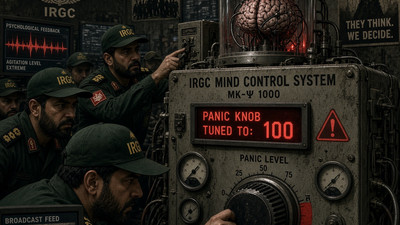
Iran Issues Code 100 as Trump and Netanyahu Rush Home
Turn Up The Volume!

Trump Forms AI Force and Czar; Will Not Stifle Industry
May The Force Be With You! Superior Intelligence Is The New AI!
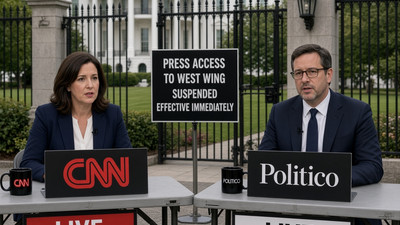
No First Amendment Right To A Seat In West Wing
Mockingbird Press Pissed At Being Locked Out As They Are The "Deep-State-Run-Media" - The Propaganda Arm Of The Intelligence Community Driving Mind Control - Fucking Commies! God To Hell You Sickos!