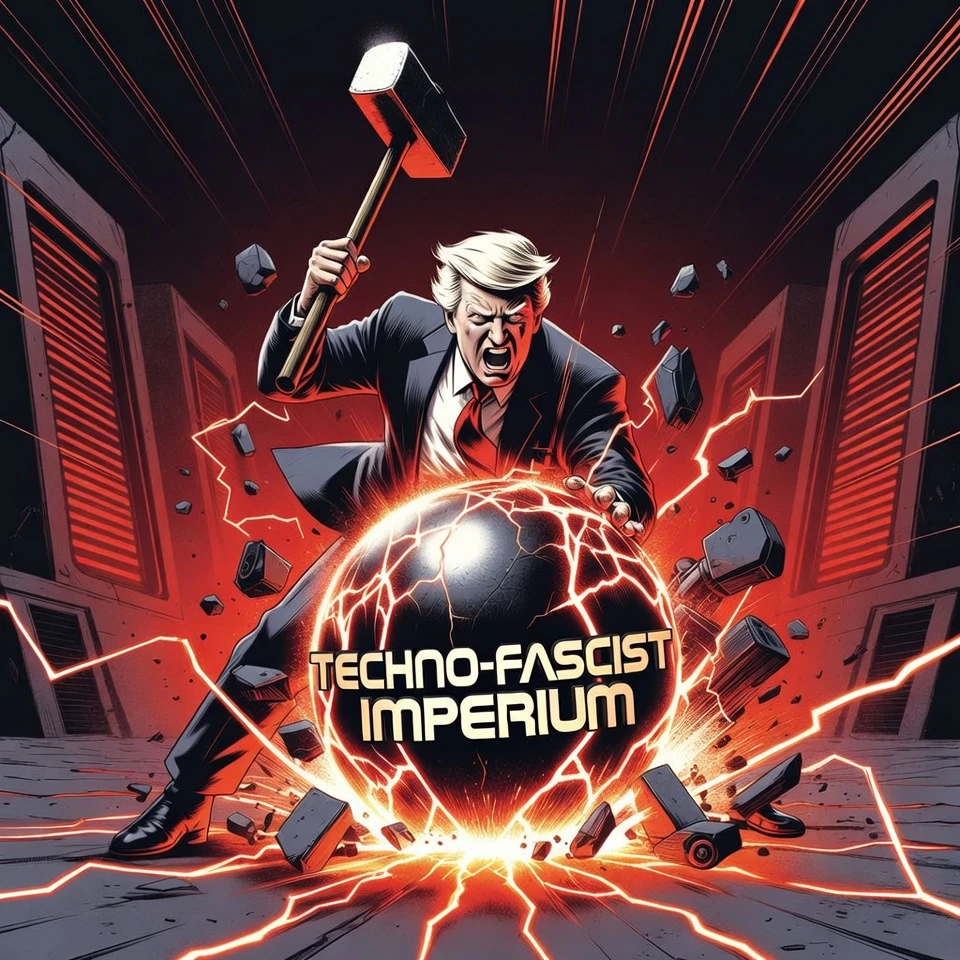
President Trump delivered strong remarks on NATO during a speech at the Future Investment Initiative Priority Summit in Miami on March 27, 2026. Criticizing European allies for their lack of support during U.S. military operations related to Iran and the Strait of Hormuz, he stated, “We would have always been there for them, but now, based on their actions? I guess we don’t have to be, do we?!” He added that NATO’s absence was “a tremendous mistake” and noted, “They just weren’t there. It’s going to make a lot of money for the United States, because we spent hundreds of billions of dollars a year on NATO, hundreds, protecting them.” These comments underscore the president’s long-held view that the alliance has operated as a one-sided burden on American taxpayers and resources rather than a genuine partnership of equals.
By tying future U.S. commitments to demonstrated reciprocity, Trump’s stance signals a fundamental shift away from unconditional defense guarantees. For decades, NATO has relied on America as the primary guarantor of European security, with the U.S. shouldering disproportionate costs in troops, equipment, and funding. Allies’ reluctance to assist in key U.S.-led efforts in the Middle East provides a clear rationale for reevaluating that arrangement. This approach prioritizes American interests, fiscal responsibility, and mutual benefit, transforming alliances from open-ended obligations into transactional relationships where partners must contribute meaningfully or face reduced support.
Such a recalibration would diminish the influence of entrenched international defense structures that have long shaped global policy in ways that often diverge from strict U.S. priorities. With America no longer serving as the automatic backbone, European nations would need to invest more heavily in their own defense capabilities, pursue independent strategies, or negotiate bilaterally. This “America First” reset could redirect substantial U.S. resources away from perpetual alliance maintenance toward domestic needs, border security, and operations aligned solely with American objectives—potentially strengthening U.S. leverage and self-reliance on the world stage while encouraging greater sovereignty among partners.

Trump Drops NATO Bombshell: No More Blank Check
Trump Drops NATO Bombshell: No More Blank Check

Farmer’s Call Forces Rearrest of Five Over Fairford Plot
Arrest Them All!
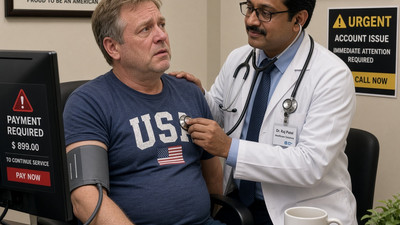

You Built Pattern Recognition. What Did You Expect Would Happen?
Racism Is Real...Not Artificial.

USC Celebrates Illegal Hit on Top Prospect Dante Moore
Gridiron Games...
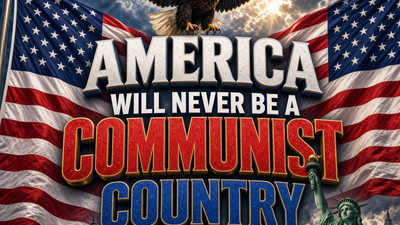
America Will Never Be Communist Because the Soil Refuses It
Commies Out! Better Dead Than Red!

Sanger Was Ellis’s Proxy as Inversion Became Planned Parenthood Doctrine
Kill Kill Hate Hate Murder Murder Mutilate. These Sickos Have Done Real Damage!