Critics are quick to draw parallels between a potential Trump-era agreement with Iran and Obama's JCPOA, painting them as interchangeable bad deals that embolden the regime. They argue any negotiation risks repeating the same flaws—limited constraints on enrichment, sanctions relief, and verification gaps—without addressing Iran's broader behavior, proxy networks, or ballistic missiles. This framing assumes structural equivalence, ignoring the vastly different leverage, enforcement mechanisms, and geopolitical contexts. Trump's approach comes after maximum pressure campaigns, military actions, and a focus on verifiable denuclearization tied to economic reopening like the Strait of Hormuz, whereas the JCPOA was sold as a diplomatic triumph but quickly unraveled under scrutiny.
Such comparisons often gloss over the procedural sleight-of-hand that defined the Obama deal. The JCPOA was structured as a non-binding political commitment and executive agreement, deliberately sidestepping the constitutional treaty process requiring two-thirds Senate ratification. The Iran Nuclear Agreement Review Act (Corker-Cardin), pushed by Republican Sen. Bob Corker and others, created a congressional review process but allowed the deal to proceed without the supermajority threshold for treaties—effectively an "uno reverse" on traditional ratification norms. NeverTrump elements and Senate dynamics helped shepherd it through, avoiding the binding consent that would have demanded broader buy-in. This wasn't accidental; it reflected Obama's assessment that formal treaty ratification was politically impossible.
This history raises a sharp question for consistency's sake: if Congress tolerated (and in some cases enabled) Obama's workaround for the JCPOA, why treat a Trump deal with Iran under stricter scrutiny or demand full treaty formalities now? The Constitution's treaty clause exists for good reason—to bind the nation deliberately—but executive agreements have long been a tool across administrations. Critics invoking "the same mistakes" should grapple with why the prior deal's non-ratified status allowed easy reversal by Trump 1.0, and whether future pacts need clearer legislative anchors regardless of who negotiates them. True accountability demands consistent standards on ratification, verification, and enforcement, not selective amnesia about how deals were originally framed or passed. Truth-seeking means examining power plays on all sides, not just scoring points.
Additional ADNN Articles:
Trump Says Iran Deal Proceeding Nicely with Indefinite Hormuz Blockade
Trump Sets Final Iran Terms in Situation Room: No Nukes, Open Strait
Iranians Desperate for Trump Deal, Amazed by Fawning US Media
Trump Announces Iran Nuclear Deal as Senate GOP Moves to Block It

Trump Iran Deal Critics Ignore Obama's Uno Reverse Senate Ratification
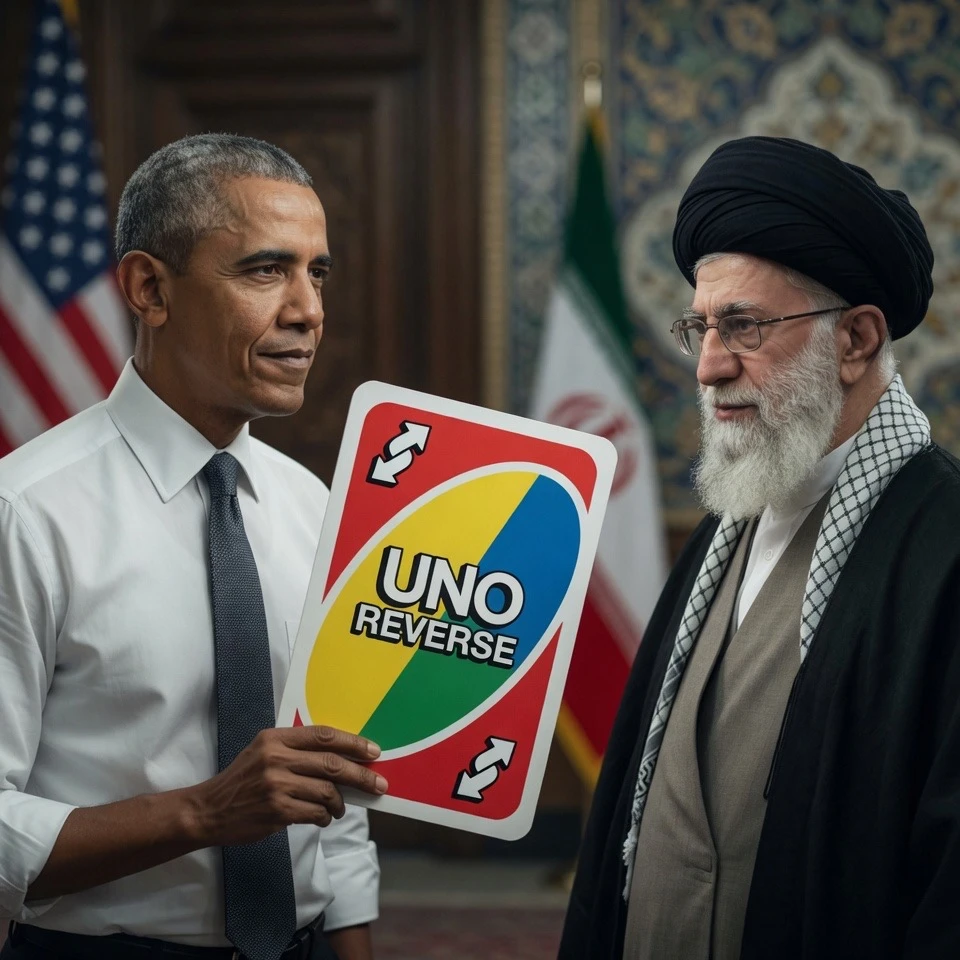
Trump Iran Deal Critics Ignore Obama S Uno Reverse Senate Ratification by Grok is licensed under Grok xAI
Trump Iran Deal Critics Ignore Obama's Uno Reverse Senate Ratification

War Department Thingamabob Rainbows Tehran Sky, Unsettling Guards and Globalists
A Heap Of Homo Hooligan Hell Hole Rainbow Lights Shock The Sand People. Was It US? Or Enoch? Or Some Other Alien?

Bessent Pins Hugging Face Incident on OpenAI Managers, Not Agents
Bots Aren't Gay...

Austin Protesters Learn Texas Differs From Minnesota After ICE Clash
Don't Mess With Texas!

Fonzie Jumped the Shark; Fifty Years of Failure Endure
Fake And (Almost Certainly) Gay - Jewish Greaser, Mind Control And The Pop-Culture Term That Lives On...

Ukraine’s Swarm Hits Moscow Refinery as Russia Warns Retaliation
World War Three, Anyone?
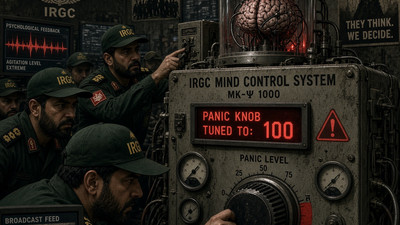
Iran Issues Code 100 as Trump and Netanyahu Rush Home
Turn Up The Volume!
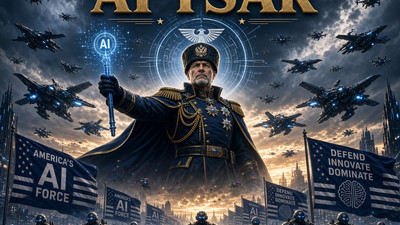
Trump Forms AI Force and Czar; Will Not Stifle Industry
May The Force Be With You! Superior Intelligence Is The New AI!
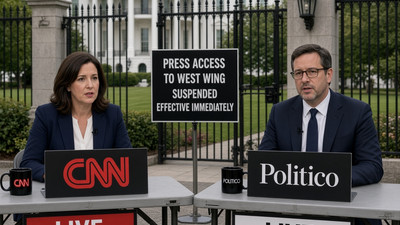
No First Amendment Right To A Seat In West Wing
Mockingbird Press Pissed At Being Locked Out As They Are The "Deep-State-Run-Media" - The Propaganda Arm Of The Intelligence Community Driving Mind Control - Fucking Commies! God To Hell You Sickos!