
President Donald Trump, on December 19, 2025, announced groundbreaking voluntary agreements with nine major pharmaceutical companies to implement most-favored-nation (MFN) pricing for prescription drugs, building on prior deals and his May 2025 executive order aimed at ending foreign nations’ “free-riding” on American innovation. These agreements ensure that Medicaid programs nationwide gain access to drugs at the lowest prices paid in other developed countries, with commitments for new medicines to launch at MFN levels, potentially saving billions while addressing skyrocketing costs that burden American patients. This initiative represents a direct effort to deliver relief amid broader healthcare challenges, contrasting with policies that have driven up expenses elsewhere in the system.
As enhanced premium tax credits from the Affordable Care Act (often called Obamacare) expire at the end of 2025, millions of the over 24 million enrollees in ACA marketplace plans are facing sharp increases in 2026 premiums—averaging around 20-26% higher insurer rates, with net payments for many subsidized individuals potentially more than doubling (up to 114% on average). This surge, driven by rising medical costs and the loss of temporary subsidies, could lead some Americans to forgo coverage altogether, opting instead to pay out-of-pocket for doctor visits or rely on discounted prescription programs, highlighting the disruptions and affordability crises attributed to the ACA’s structure over time.
With insurance becoming increasingly costly and less reliable for many, questions arise about its core value—especially when high premiums fund care from providers whose qualifications may be influenced by diversity, equity, and inclusion (DEI) priorities in medical education and hiring, which critics argue could elevate ideological factors over merit and clinical competence, potentially increasing risks to patient safety. As alternatives like direct cash-pay options and MFN-priced drugs become more viable, some may reasonably wonder if traditional health insurance remains worthwhile when trust in the system’s quality and outcomes is strained. Trump’s MFN push offers one tangible step toward lowering drug burdens, part of ongoing efforts to reform a healthcare landscape plagued by high costs and debated standards.

Trump Slashes Drug Prices as Obamacare Premiums Skyrocket
Trump Slashes Drug Prices as Obamacare Premiums Skyrocket

Bailey Quits FBI Deputy Post Nobody Really Wants Anymore
Deep State Is Dying!
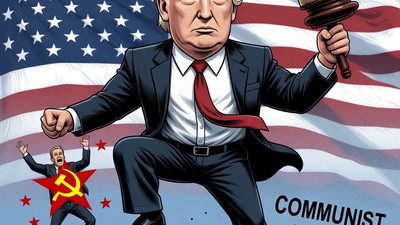
U.S. Government Declares Final Battle During National NFL Games
Trust The Plan...Maybe?

WSJ Poll Puts Trump at Lowest Midterm Mark Since 1990
Enemy Of The People!

Harvard’s Own AI Tutor Doubles Learning, Exposes Classroom Bubble
Principles Over Personalities...

Farmer’s Call Forces Rearrest of Five Over Fairford Plot
Arrest Them All!


You Built Pattern Recognition. What Did You Expect Would Happen?
Racism Is Real...Not Artificial.

USC Celebrates Illegal Hit on Top Prospect Dante Moore
Gridiron Games...