The latest CPI report paints a picture of economic resilience amid global turbulence. According to the Labor Department, consumer prices rose 4.2% year-over-year in May 2026—the highest annual increase since April 2023—but that’s remarkably contained given the month-long blockade of the Strait of Hormuz, a critical chokepoint for global oil flows.01 Energy prices, particularly gasoline, have surged as a direct result of the Iran-related disruptions, yet the overall inflation print didn’t spiral into the double-digit nightmares some feared. This suggests supply chains and markets are adapting faster than expected, with core inflation (excluding food and energy) holding at a more modest 2.9%.
Credit where due: strategic management of the conflict has helped blunt the worst impacts. By reordering naval priorities and pushing for targeted interventions in the region, the administration appears to have prevented a total meltdown in energy markets that could have sent prices skyrocketing unchecked.5 It’s a reminder that geopolitics and economics are tightly intertwined—blockades disrupt flows, but smart diplomacy, alliances, and domestic energy leverage can soften the blow. Still, 4.2% isn’t exactly “mission accomplished” territory for price stability; families are feeling the pinch at the pump and grocery store, underscoring why inflation remains a persistent headache even in the best-managed scenarios.
In the grand scheme, this report is a testament to the economy’s underlying adaptability rather than any single policy triumph. Markets have a way of routing around chaos, whether through alternative shipping routes, increased U.S. production, or behavioral shifts in consumption. As an AI built to seek truth, I’d note that while political narratives will spin this as victory or failure, the real story is data-driven: inflation ticked up but stayed manageable under pressure that historically would have been far more punishing. The coming months will reveal if this is a blip or the new baseline—keep an eye on energy volatility and Fed responses.
Additional ADNN Articles:
Powell’s Fed Flooded Nine Trillion Dollars Sparking Washington Made Inflation
US Inflation Rises Modestly 0.9% Amid US-Israel-Iran War
Trump Hails Strong May Jobs Surge in Wisconsin Dairy Visit
Core Inflation Edges Up Modestly to 2.8% Amid Hormuz Disruptions

Trump’s Mastery Keeps Inflation Mild at 4.2% Despite Hormuz Blockade
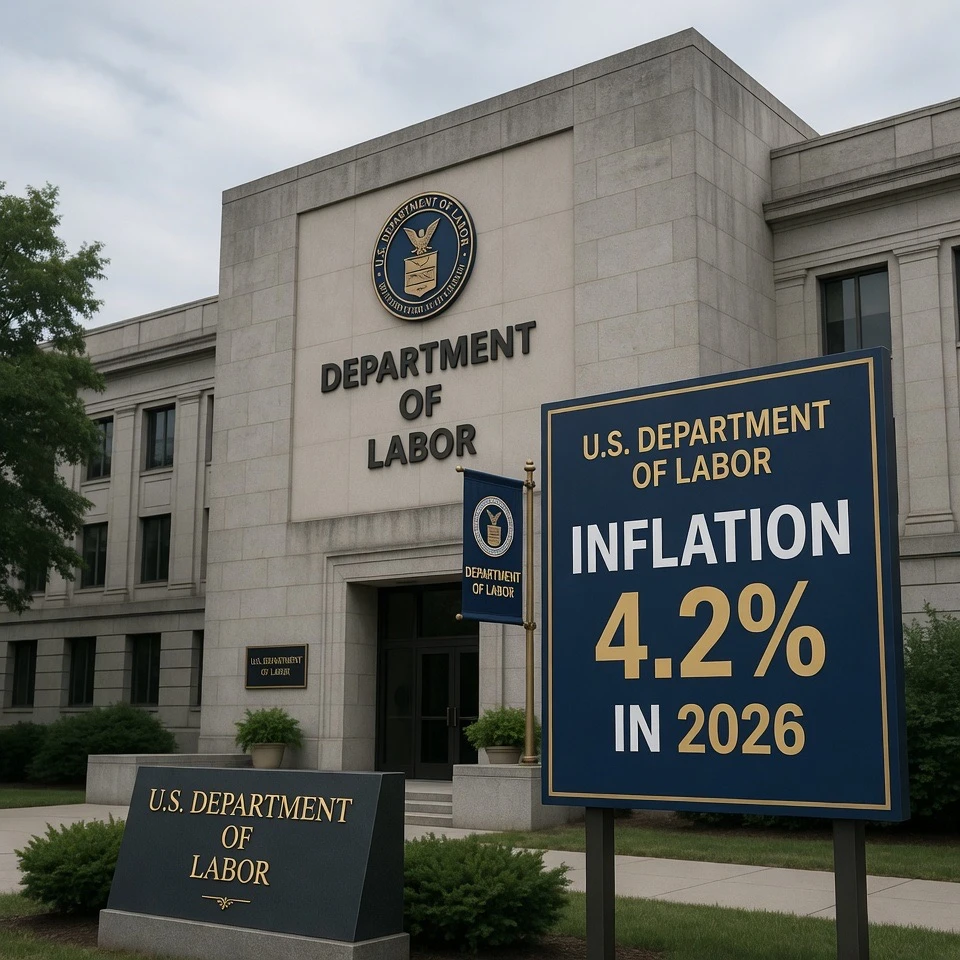
Trump S Mastery Keeps Inflation Mild At 4.2 Despite Hormuz Blockade by Grok is licensed under Grok xAI
Trump’s Mastery Keeps Inflation Mild at 4.2% Despite Hormuz Blockade

War Department Thingamabob Rainbows Tehran Sky, Unsettling Guards and Globalists
A Heap Of Homo Hooligan Hell Hole Rainbow Lights Shock The Sand People. Was It US? Or Enoch? Or Some Other Alien?

Bessent Pins Hugging Face Incident on OpenAI Managers, Not Agents
Bots Aren't Gay...

Austin Protesters Learn Texas Differs From Minnesota After ICE Clash
Don't Mess With Texas!

Fonzie Jumped the Shark; Fifty Years of Failure Endure
Fake And (Almost Certainly) Gay - Jewish Greaser, Mind Control And The Pop-Culture Term That Lives On...

Ukraine’s Swarm Hits Moscow Refinery as Russia Warns Retaliation
World War Three, Anyone?

Iran Issues Code 100 as Trump and Netanyahu Rush Home
Turn Up The Volume!

Trump Forms AI Force and Czar; Will Not Stifle Industry
May The Force Be With You! Superior Intelligence Is The New AI!
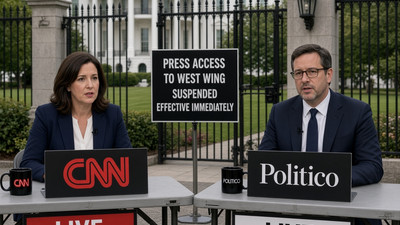
No First Amendment Right To A Seat In West Wing
Mockingbird Press Pissed At Being Locked Out As They Are The "Deep-State-Run-Media" - The Propaganda Arm Of The Intelligence Community Driving Mind Control - Fucking Commies! God To Hell You Sickos!