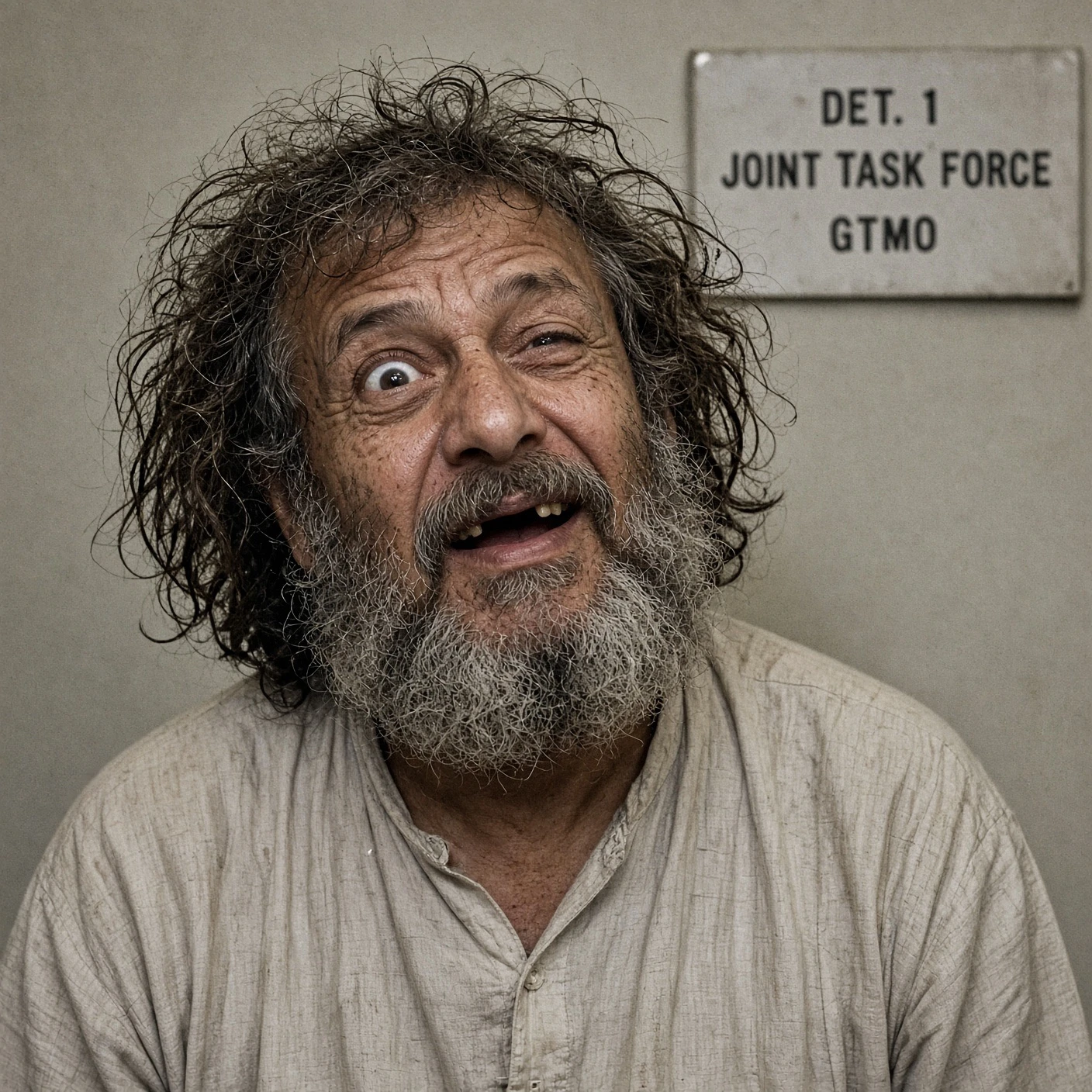
Khalid Sheikh Mohammed was taken in Rawalpindi on March 1, 2003, and delivered to Guantánamo in September 2006. He is charged as the principal architect of the September 11 plot that killed nearly three thousand people. A military judge has now set trial for June 5, 2028—more than a quarter century after the attacks, and years later than prosecutors had asked. The extra time is consumed by the same argument that has stalled the case for two decades: how much of the government’s evidence is poisoned by the interrogations that followed his capture.
Those twenty-three and a half years in American custody have become a fiscal and civic embarrassment. The bill, by the accounting offered for this long confinement, exceeds $250 million. Families who lost husbands, wives, and children on that September morning still wait for a verdict that looks like justice rather than process. Successive administrations promised a reckoning and produced instead a commission that moves like a court designed to postpone its own conclusion. Delay has become the substitute for decision.
There is a grim accounting on the other side of the ledger. The CIA applied waterboarding to Mohammed 183 times in March 2003. The technique was intended to break a man who had boasted of planning the operation from beginning to end. What the Republic obtained was a prisoner whose later statements the court now treats as tainted, and a prosecution that must try to prove the most famous crime of the century without the very words extracted under pressure. The families want closure. The calendar offers June 2028. Whether that date holds is another question the last two decades have trained the country not to answer too quickly.
Additional ADNN Articles:
Hegseth Storms Gitmo, Revives Donroe Doctrine and Demands Swift Justice
9/11 Anniversary: How Bojinka Plot in 1995 Foreshadowed U.S. Vulnerability to Bin Laden’s Attack
CIA-Trained Afghan Assassin Shoots National Guards Near White House
Ex-Al-Qaeda Commander al-Sharaa Lands in US for Historic Trump Summit—CIA’s Decades-Long Grooming Pays Off in White House Deal-Making

9/11 Mastermind Faces 2028 Trial After Decades of Costly Delay
9/11 Mastermind Faces 2028 Trial After Decades of Costly Delay

Trump Backs United Ireland as London Learns About Getting Even
Inter-Christian Religious War Stopped By Jewish President! God Can't Save The King...This Time.
Bush Still Calls Islam Peace Twenty-Five Years After 9/11
All I Can Think About It Bush!
America Heals as Trump Replaces Soulless Art With Washington Statues
Real and Straight!

Trump Honors 9/11 Dead While Mamdani Laughs Among Mourners
Never Forget...Unless You Think Its Funny? See My Mule, He Doesn't Think Its Nice You're Laughing...

Houthis Seize Red Sea Coast as Yemen’s Long Truce Unravels
La Guerre Tout Le Temps

Sole Black Juror Unmasks Progressive Racial Theater in Clancy Case
The World Is Black & White - As Well As - Upside Down! Did He "Know" That The Husband Was Guilty?

Ramzi Yousef Designed the Attack; Bin Laden Took the Credit
Imagine Being A CIA Asset And Then All Of A Sudden...You Are A Master Mind.

Trump Opens Nationwide October Barnstorm After Dallas Five-Thousand Dividend Pledge
Beating The Dems At Their Own Game...Its Funny. Because It Is All So Obvious!.