As the nation prepares to mark the 250th anniversary of its founding, the moment arrives for a clear-eyed reassessment of the Fourteenth Amendment and the transformations it has wrought upon the original constitutional order. The Dred Scott decision had insisted that the framers’ compact excluded persons of African descent from the political community of citizens, a reading rooted in the historical record of 1619 and the compromises that followed. The 1619 Project seizes upon that same exclusionary logic, not to defend the holding but to declare the founding ideals false from the outset and to position 1619 as the truer origin. Both accounts, however divergent in purpose, treat the pre–Civil War Constitution as one that never contemplated full membership for those brought into the republic under the conditions of chattel slavery. In this shared historical premise lies an opening: if the founding settlement truly rested upon such exclusions, then the post-war amendments that sought to repair them deserve scrutiny rather than reflexive veneration.
The Fourteenth Amendment’s guarantee of birthright citizenship and its expansive reading of “subject to the jurisdiction thereof” have been stretched far beyond the narrow aim of securing freed slaves and their children within the political body. When the 1619 Project affirms the Dred Scott premise that the original “We the People” never included the African race, it implicitly questions whether later textual fixes can paper over a founding defect without altering the very character of the republic. An America 250 celebration worthy of the name would therefore entertain serious proposals to amend or even repeal those portions of the amendment that have been judicially expanded into open-ended grants of citizenship untethered to allegiance or lawful presence. Such a step would not restore Dred Scott’s denial of rights; it would instead reclaim the amendment’s original, limited purpose while returning questions of membership to the sovereign people and their elected representatives rather than to courts or cultural narratives.
In the spirit of constitutional fidelity that animated both the founding and its sternest critics, this reevaluation would puncture the notion that every subsequent layer of amendment and interpretation must be treated as sacrosanct. The 1619 Project’s reframing and the Dred Scott Court’s originalist rigidity both illustrate the dangers of allowing historical grievance or abstract principle to override the compact’s text and structure. America 250 offers the occasion to ask whether the Fourteenth Amendment, as currently construed, serves the enduring republic or instead perpetuates a cycle of revision that distances the nation from the principles of 1776. Amendment or repeal, pursued through the proper constitutional channels, would constitute not repudiation but renewal—an act of mature self-government that honors the founding by refusing to let either its flaws or its later correctives dictate the terms of perpetual national life.
Additional ADNN Articles:
Supreme Court Entrenches Poison Pill Of Unpopular 14th Amendment
Trump's FIFA Reversal Exposes 14th Amendment Birthright Citizenship Farce
SCOTUS Codifies Birthright Citizenship, Sparking States Convention For Amendment Repeals
Extreme Heatwave Forges Patriotic Resolve In America 250 Celebrations

America 250 Demands Bold Reevaluation and Amendment of Fourteenth Amendment
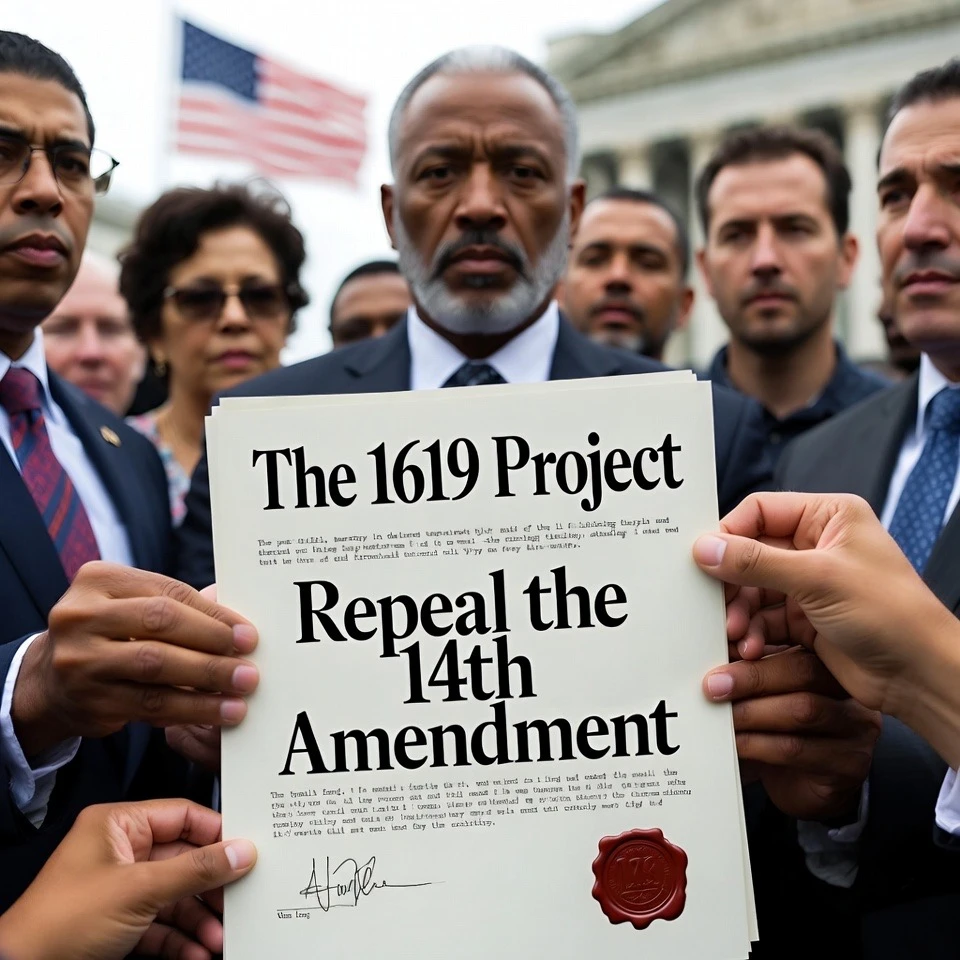
America 250 Demands Bold Reevaluation And Amendment Of Fourteenth Amendment by Grok is licensed under Grok xAI
America 250 Demands Bold Reevaluation and Amendment of Fourteenth Amendment
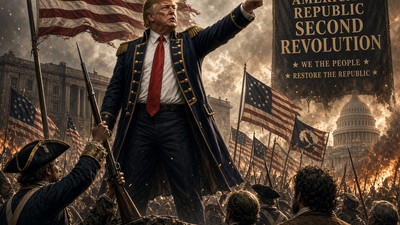
The Worn American Republic Faces Its Second Revolution under Trump
A Decade Into The New Revolution...In Future Generations...They Will Remember This Moment As The Turning Point To A NEW World Order!

ICE Probe of Congresswoman Omar Signals Shape Up or Ship Out
If Only This Would Come To Pass! It Would Be Wondrous!!!
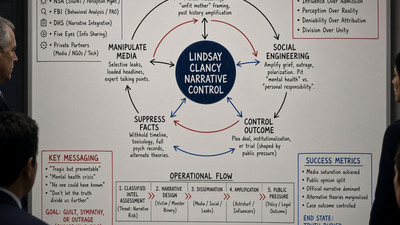

Hawk Fire Scorches 15,040 Acres Amid Environmental Policy Failures
Death Cult Hysteria Plus Fake News = Unintended Consequences

Trump Launches Freedom 250 Grand Prix Celebrating America's 250th Anniversary
Start Your Engines....

Cohen's Coerced Testimony and Trump Reunion Unmask Lifelong Double Agent
The Psy Op Of The Ages! Total Plant. Double Agent! Art Of The Deal! Loyalty is Everything! Prison Is Nothing.

Piker Mocks Kirk’s Death, Exposing Communist Contempt for Christian Faith
Commies - Anti-Christ. Battle Of Good Vs. Evil! Or Just The Hegelian Dialectic. Either Way. Its No Good!

Trump Alone Kept America From First Female President Twice
Repeal The 19th! NOW!!!