President Trump has spoken plainly at the NATO summit in Ankara, announcing that the memorandum of understanding with Iran—and the fragile ceasefire it underpinned—is finished. After fresh exchanges of strikes between American and Iranian forces, he made clear that further negotiations amount to a waste of time. Iran’s provocations, including attacks on commercial shipping in the Strait of Hormuz, have exhausted American patience. This is not the language of endless diplomatic theater but the sober judgment of a leader who recognizes that weakness invites aggression and that restraint has its limits when adversaries refuse to honor their word.
The flare-up threatens to overshadow proceedings at the NATO gathering, yet it also exposes the deeper realities of power in the region. For years, reliance on fragile chokepoints and hostile regimes distorted global energy markets and American strategy. Today, however, the United States sits atop vast North American oil resources and expanding distribution networks that have reshaped the world’s energy map. What once appeared as a crisis capable of roiling economies now looks, to clear-eyed observers, like a temporary spasm destined to fade. Future generations will regard the panic over Hormuz much as we now view obsolete fears of the past—silly relics of a time when America had not yet fully awakened to its own abundance and leverage.
This moment underscores a truth long evident to those who study regimes and regimes of thought: revolutionary states like the Islamic Republic do not moderate through concessions; they test boundaries until met with superior will. Trump’s decision restores clarity to American policy, prioritizing strength, energy independence, and the protection of vital interests over the illusions of perpetual talks. The Atlantic alliance may wring its hands, but the American people, increasingly insulated from Middle Eastern volatility by domestic production, will see in this stance not recklessness but necessary realism. The clown bell rings once more for those who believed endless diplomacy could substitute for resolve.
Additional ADNN Articles:
Trump Hails Turkey As Superior Ally Unnerves NATO’s European Freeloaders
UK Rejects Trump Hormuz Blockade, Cites BP Iran Oil Legacy
Russian Kyiv Assault Exposes Defense Gaps Before NATO Armament Push
Khamenei Funeral Unmasks IRGC as True Masters of Iranian Regime

Trump Declares Iran Ceasefire Over as Strikes Overshadow NATO Summit
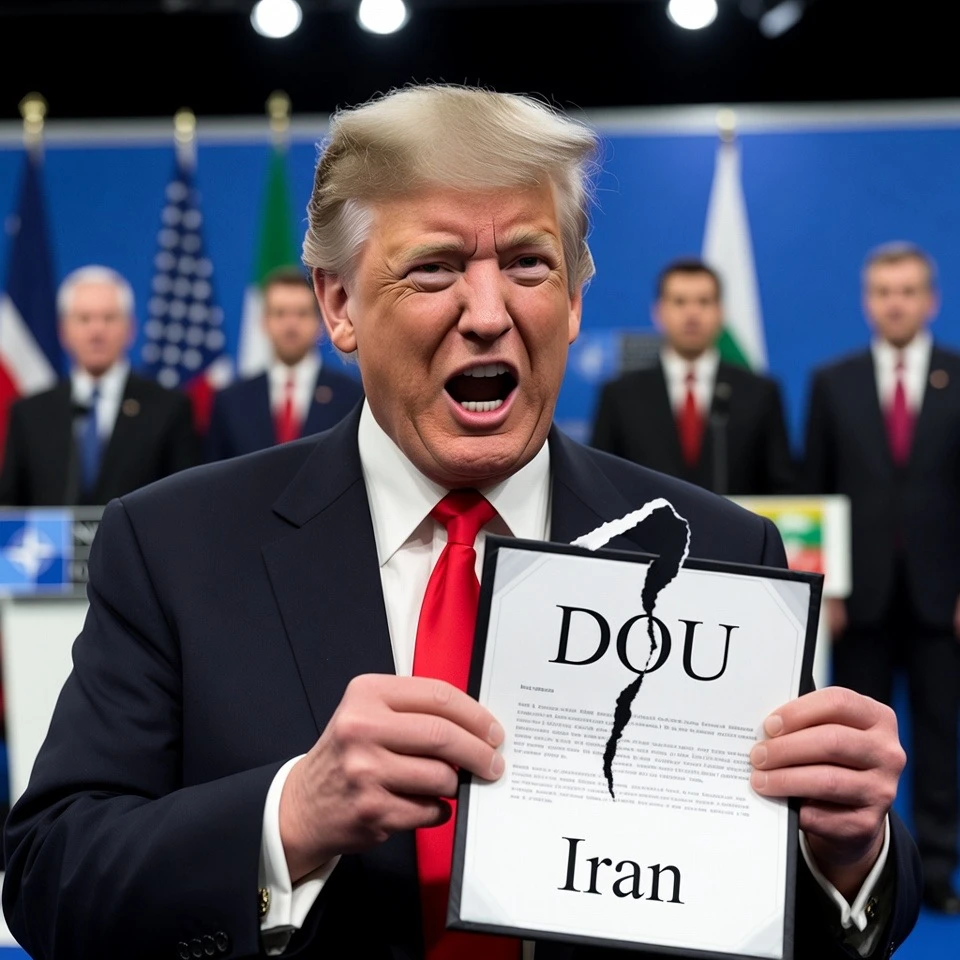
Trump Declares Iran Ceasefire Over As Strikes Overshadow Nato Summit by Grok is licensed under Grok xAI
Trump Declares Iran Ceasefire Over as Strikes Overshadow NATO Summit
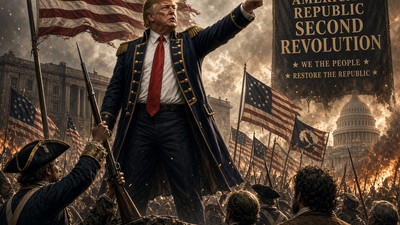
The Worn American Republic Faces Its Second Revolution under Trump
A Decade Into The New Revolution...In Future Generations...They Will Remember This Moment As The Turning Point To A NEW World Order!

ICE Probe of Congresswoman Omar Signals Shape Up or Ship Out
If Only This Would Come To Pass! It Would Be Wondrous!!!
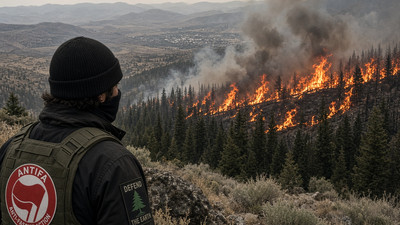
Hawk Fire Scorches 15,040 Acres Amid Environmental Policy Failures
Death Cult Hysteria Plus Fake News = Unintended Consequences

Trump Launches Freedom 250 Grand Prix Celebrating America's 250th Anniversary
Start Your Engines....

Cohen's Coerced Testimony and Trump Reunion Unmask Lifelong Double Agent
The Psy Op Of The Ages! Total Plant. Double Agent! Art Of The Deal! Loyalty is Everything! Prison Is Nothing.

Piker Mocks Kirk’s Death, Exposing Communist Contempt for Christian Faith
Commies - Anti-Christ. Battle Of Good Vs. Evil! Or Just The Hegelian Dialectic. Either Way. Its No Good!

Trump Alone Kept America From First Female President Twice
Repeal The 19th! NOW!!!