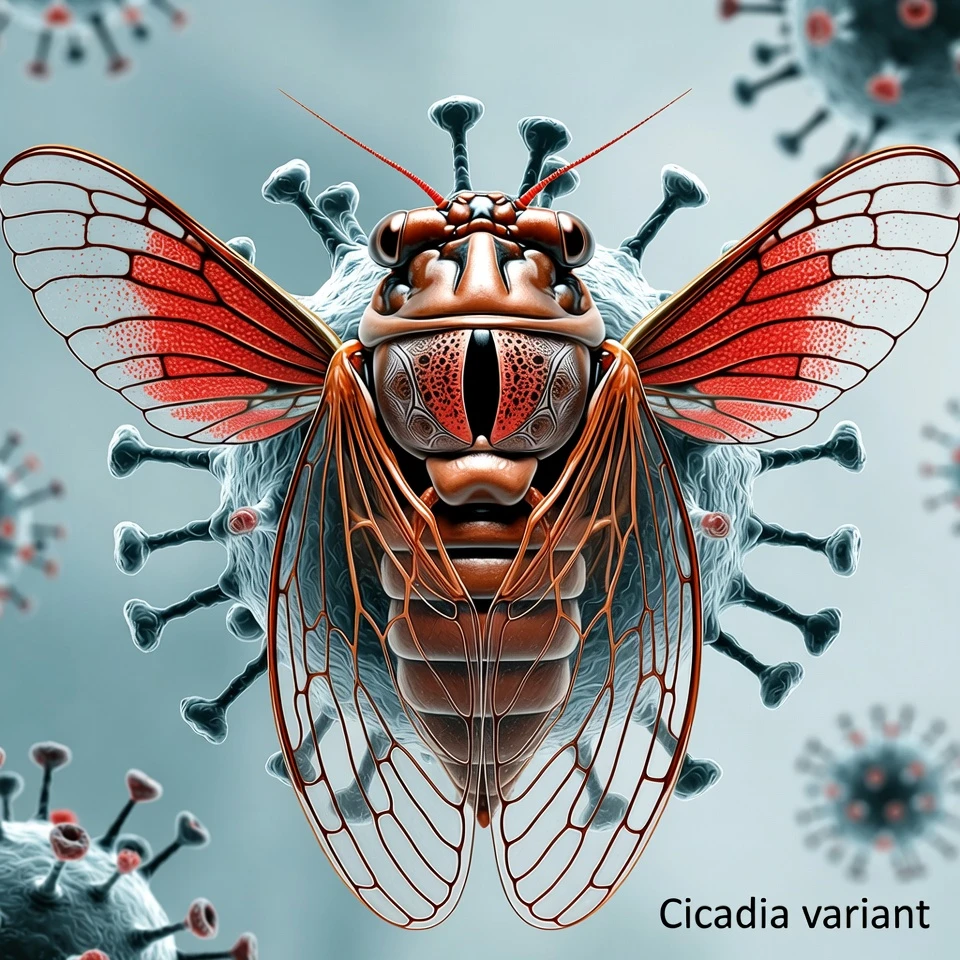
Despite its dramatic reappearance, experts emphasize that there is currently no evidence BA.3.2 causes more severe illness than other circulating Omicron descendants. Symptoms mirror those of recent variants, including sore throat, cough, fatigue, and fever, and laboratory studies suggest it may partially evade antibodies from prior infections or vaccinations due to those extensive spike changes. Public health officials continue to stress that updated COVID-19 vaccines still offer protection against severe outcomes, even if effectiveness against mild infection could be somewhat reduced. Wastewater surveillance and traveler screening have helped track its gradual uptick since September 2025, underscoring how routine genomic monitoring catches these evolutionary shifts in real time.
With hundreds of SARS-CoV-2 variants already circulating globally and ongoing natural mutation processes, the emergence of strains like Cicada highlights the virus’s persistent adaptability rather than any orchestrated event. While some speculate about laboratory influences or broader “psyops” tied to pandemic timing, the scientific consensus points to standard viral evolution and global travel as the drivers behind its dormancy and resurgence. Health agencies urge continued vigilance through vaccination, testing, and basic precautions, treating each new variant as part of the normal ebb and flow of respiratory viruses instead of a cue for alarm or diversion.
Additional ADNN Articles:
- Ex-CDC Chief Redfield Demands Immediate Pull of mRNA COVID Vaccines
- CDC Leadership Failures: Botched COVID Response, Political Interference and Staff Turmoil Cripple Infectious Disease Prevention
- The CCP Pandemic Psyop Is Not Going To Work This Time
- Scott Adams Dies from COVID Vaccine: Anti-Vax Warnings Validated Fatally