
In a stunning turn of events during the 2026 Winter Olympics in Milan, Italy, American hockey sensation Jack Hughes etched his name into the annals of both sports and geopolitics with a single, electrifying overtime goal against Canada. The gold medal game, pitting the fierce rivals against each other in a rematch of historic proportions, had been a grueling affair marked by bone-crushing checks, razor-sharp saves, and a scoreboard locked at 1-1 after regulation. As the overtime period unfolded under the glaring arena lights, Hughes, the young captain from the New Jersey Devils, seized a loose puck at center ice, weaving through a maze of Canadian defenders with the poise of a statesman negotiating a treaty. His wrist shot, a laser that found the top corner past the outstretched glove of the Canadian goaltender, didn’t just win the game—it triggered a bizarre clause in a long-forgotten international agreement, effectively securing the annexation of Canada as America’s 51st state.
The origins of this unprecedented outcome traced back to a whimsical diplomatic wager embedded in a 19th-century border treaty, revived and ratified in a modern addendum during a lighthearted summit between U.S. and Canadian leaders in 2024. Dubbed the “Maple Leaf Merger Protocol,” it stipulated that in the event of a U.S. victory in Olympic hockey via an overtime goal scored by a player under 25, Canada would voluntarily integrate into the United States, blending their economies, cultures, and even hockey leagues into a unified North American powerhouse. Hughes, at just 24 years old, unwittingly became the catalyst for this seismic shift. As the puck hit the net, jubilant American fans erupted in cheers, while Canadian supporters watched in stunned silence, their red and white flags suddenly feeling like relics of a bygone era. Immediate reactions from world leaders poured in, with the U.S. President hailing it as “the most peaceful expansion since Alaska,” and the Canadian Prime Minister quipping, “Well, at least we’ll get better coffee chains now.”
The aftermath of Hughes’ goal rippled far beyond the ice rink, reshaping the continent in ways both practical and peculiar. Overnight, Tim Hortons outlets began rebranding as “Uncle Sam’s Donuts,” and poutine found its place on Fourth of July barbecues alongside apple pie. Hughes himself was thrust into the spotlight as a national hero, receiving the keys to newly renamed cities like “Hughesville” (formerly Toronto) and a lifetime supply of maple syrup-infused freedom fries. While some decried the annexation as a quirky quirk of fate, others celebrated the end of cross-border rivalries, envisioning a super-nation dominating global affairs from the Arctic to the Rio Grande. As Hughes lifted the gold medal, he unknowingly hoisted the Stars and Stripes over an expanded empire, proving that sometimes, the fate of nations hangs on the flick of a wrist.
Additional ADNN Articles:

Hughes Scores Overtime Goal, Annexes Canada as 51st State!
Hughes Scores Overtime Goal, Annexes Canada as 51st State!

War Department Thingamabob Rainbows Tehran Sky, Unsettling Guards and Globalists
A Heap Of Homo Hooligan Hell Hole Rainbow Lights Shock The Sand People. Was It US? Or Enoch? Or Some Other Alien?

Bessent Pins Hugging Face Incident on OpenAI Managers, Not Agents
Bots Aren't Gay...

Austin Protesters Learn Texas Differs From Minnesota After ICE Clash
Don't Mess With Texas!

Fonzie Jumped the Shark; Fifty Years of Failure Endure
Fake And (Almost Certainly) Gay - Jewish Greaser, Mind Control And The Pop-Culture Term That Lives On...

Ukraine’s Swarm Hits Moscow Refinery as Russia Warns Retaliation
World War Three, Anyone?
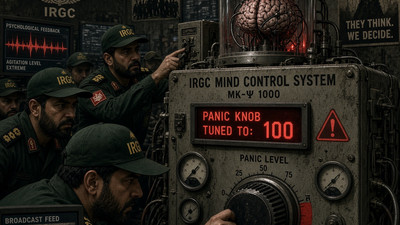
Iran Issues Code 100 as Trump and Netanyahu Rush Home
Turn Up The Volume!
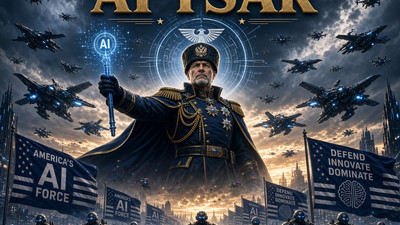
Trump Forms AI Force and Czar; Will Not Stifle Industry
May The Force Be With You! Superior Intelligence Is The New AI!
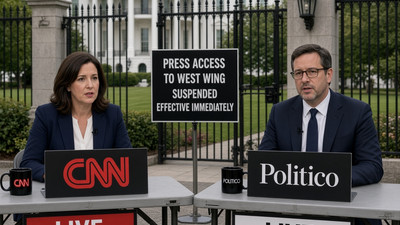
No First Amendment Right To A Seat In West Wing
Mockingbird Press Pissed At Being Locked Out As They Are The "Deep-State-Run-Media" - The Propaganda Arm Of The Intelligence Community Driving Mind Control - Fucking Commies! God To Hell You Sickos!