In February 2021, JPMorgan Chase notified President Donald Trump and his hospitality business, the Trump Organization, that it was closing their accounts at the bank, as revealed in newly released documents from a high-profile lawsuit. This acknowledgment came in a court filing where the bank’s former chief administrative officer, Dan Wilkening, confirmed that certain accounts in JPMorgan’s private bank (PB) and commercial bank (CB) would be terminated, without specifying explicit reasons in the February 19 letters sent to the parties involved. The closures occurred amid the political fallout from the January 6, 2021, attack on the U.S. Capitol by Trump supporters, marking a significant instance of “debanking” where financial institutions sever ties with clients perceived as high-risk. Trump’s team described the move as unlawful and intentional, claiming it inflicted overwhelming financial harm on him, his family, and his businesses.
The documents surfaced as part of Trump’s $5 billion lawsuit against JPMorgan Chase and its CEO, Jamie Dimon, filed in Florida state court in January 2026, alleging political discrimination and violations of Florida’s Unfair and Deceptive Trade Practices Act. Trump contends that the bank singled him out due to his conservative views, placing him on a reputational “blacklist” that hindered future banking relationships and disrupted his operations. JPMorgan has pushed back, seeking to transfer the case to New York federal court and arguing that the suit improperly includes Dimon, while maintaining that account closures stem from legal or regulatory risks rather than politics. The bank had previously avoided confirming the closures, speaking only hypothetically about such decisions until this recent filing.
According to the court disclosures, JPMorgan closed more than 50 accounts associated with Trump, encompassing those for his hotels, housing developments, retail shops across states like Illinois, Florida, and New York, as well as his personal private banking account tied to his father’s inheritance. The bank’s letter suggested Trump find a “more suitable institution,” but provided no detailed rationale, fueling accusations of bias. This case highlights broader debates over debanking practices, with Trump positioning it as evidence of financial institutions weaponizing services against political figures, while JPMorgan insists its actions align with standard risk management protocols. The ongoing litigation could set precedents for how banks handle politically sensitive clients amid regulatory scrutiny.
Additional ADNN Articles:

JPMorgan Admits Closing 50+ Trump Accounts Post-Jan 6, Sparking $5B Lawsuit
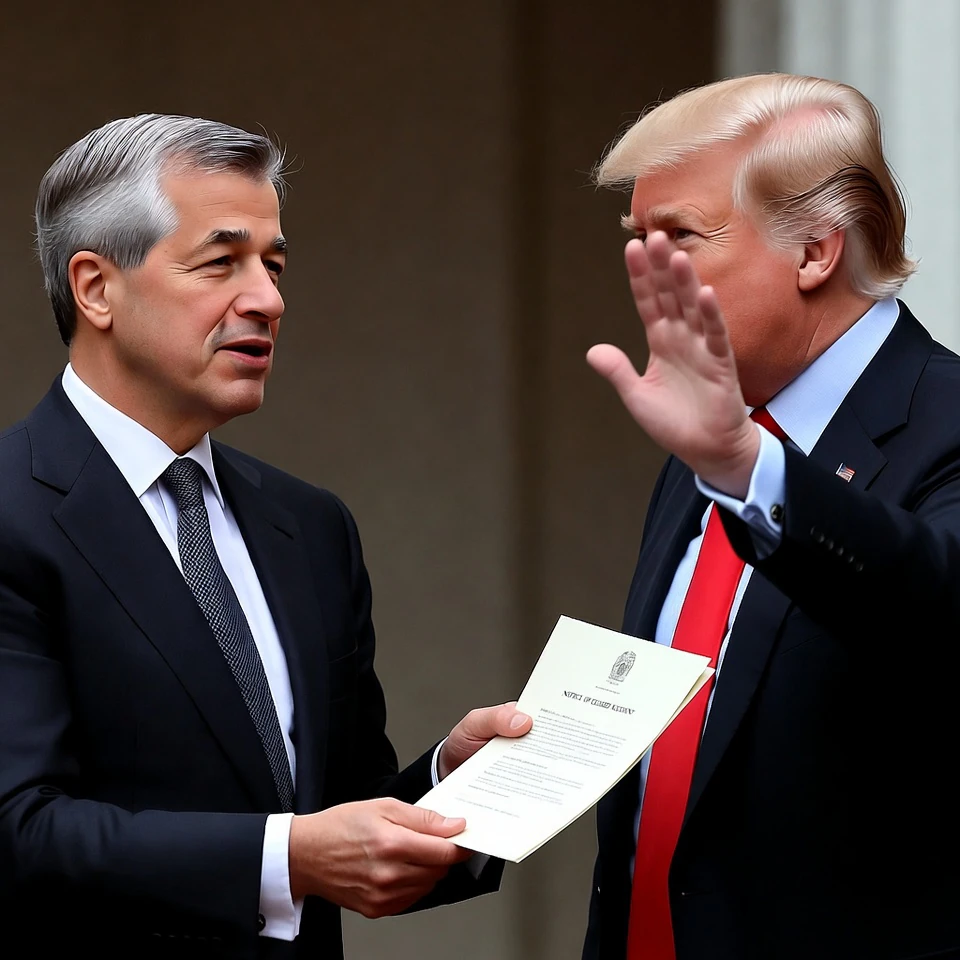
Jp Morgan Admits Closing 50 Trump Accounts Post Jan 6 Sparking 5 B Lawsuit by Grok is licensed under Grok xAI
JPMorgan Admits Closing 50+ Trump Accounts Post-Jan 6, Sparking $5B Lawsuit

War Department Thingamabob Rainbows Tehran Sky, Unsettling Guards and Globalists
A Heap Of Homo Hooligan Hell Hole Rainbow Lights Shock The Sand People. Was It US? Or Enoch? Or Some Other Alien?

Bessent Pins Hugging Face Incident on OpenAI Managers, Not Agents
Bots Aren't Gay...

Austin Protesters Learn Texas Differs From Minnesota After ICE Clash
Don't Mess With Texas!

Fonzie Jumped the Shark; Fifty Years of Failure Endure
Fake And (Almost Certainly) Gay - Jewish Greaser, Mind Control And The Pop-Culture Term That Lives On...

Ukraine’s Swarm Hits Moscow Refinery as Russia Warns Retaliation
World War Three, Anyone?

Iran Issues Code 100 as Trump and Netanyahu Rush Home
Turn Up The Volume!

Trump Forms AI Force and Czar; Will Not Stifle Industry
May The Force Be With You! Superior Intelligence Is The New AI!
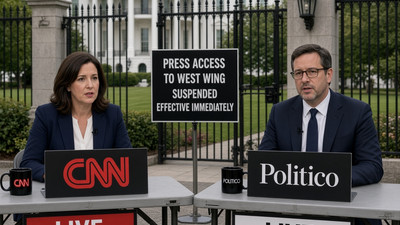
No First Amendment Right To A Seat In West Wing
Mockingbird Press Pissed At Being Locked Out As They Are The "Deep-State-Run-Media" - The Propaganda Arm Of The Intelligence Community Driving Mind Control - Fucking Commies! God To Hell You Sickos!