
In a stunning upset during the 2026 Texas primaries, Republican Representative Dan Crenshaw suffered a decisive defeat at the hands of challenger Steve Toth, losing by a double-digit margin that sent shockwaves through the GOP establishment. Crenshaw, known for his eyepatch and hawkish foreign policy stances, had positioned himself as a pragmatic conservative willing to buck party lines on issues like Ukraine aid and Big Tech regulation. However, Toth’s campaign capitalized on grassroots discontent, painting Crenshaw as out of touch with the MAGA base and too cozy with Washington insiders. The loss marks the end of Crenshaw’s congressional tenure, forcing him to confront a future outside the halls of power after years of building a media-savvy persona through podcasts and cable news appearances.
On the Democratic side, Representative Jasmine Crockett faced her own primary ouster, falling to a progressive challenger who criticized her for perceived moderation on criminal justice reform and corporate influence in politics. Crockett, a rising star with a background as a civil rights attorney, had gained national attention for her fiery rhetoric and viral social media moments, often clashing with Republican counterparts. Her defeat highlights the growing fractures within the Democratic Party, where purity tests on issues like defunding the police and climate action are increasingly sidelining establishment figures. As Crockett exits Congress, speculation swirls about her next moves, with her charisma and debating skills making her a natural fit for media ventures.
Amid these parallel political downfalls, an intriguing possibility emerges: Crenshaw and Crockett, once bitter adversaries in heated congressional exchanges, could unite to launch a podcast dedicated to delivering intentionally provocative and “bad takes” on current events. Titled something like “Crossfire Casualties,” the show might feature the duo dissecting headlines with unfiltered opinions—Crenshaw railing against “woke” culture while Crockett calls out systemic inequalities—all laced with self-deprecating humor about their electoral humiliations. While skeptics dismiss it as a pipe dream given their ideological chasm, fans of bipartisan banter argue it could attract a niche audience tired of echo chambers, turning their defeats into a quirky media comeback.
Additional ADNN Articles:

In Shocking Twist, Crenshaw and Crockett Lose Primaries, Eye Podcast
In Shocking Twist, Crenshaw and Crockett Lose Primaries, Eye Podcast

War Department Thingamabob Rainbows Tehran Sky, Unsettling Guards and Globalists
A Heap Of Homo Hooligan Hell Hole Rainbow Lights Shock The Sand People. Was It US? Or Enoch? Or Some Other Alien?

Bessent Pins Hugging Face Incident on OpenAI Managers, Not Agents
Bots Aren't Gay...

Austin Protesters Learn Texas Differs From Minnesota After ICE Clash
Don't Mess With Texas!

Fonzie Jumped the Shark; Fifty Years of Failure Endure
Fake And (Almost Certainly) Gay - Jewish Greaser, Mind Control And The Pop-Culture Term That Lives On...

Ukraine’s Swarm Hits Moscow Refinery as Russia Warns Retaliation
World War Three, Anyone?
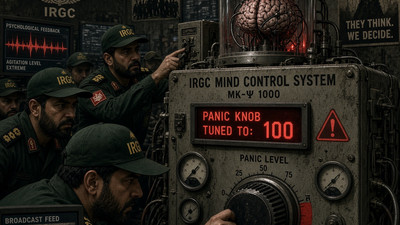
Iran Issues Code 100 as Trump and Netanyahu Rush Home
Turn Up The Volume!

Trump Forms AI Force and Czar; Will Not Stifle Industry
May The Force Be With You! Superior Intelligence Is The New AI!
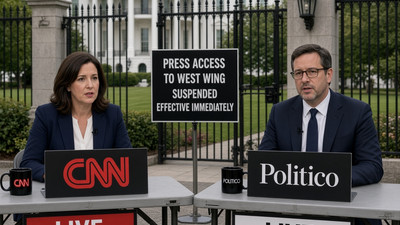
No First Amendment Right To A Seat In West Wing
Mockingbird Press Pissed At Being Locked Out As They Are The "Deep-State-Run-Media" - The Propaganda Arm Of The Intelligence Community Driving Mind Control - Fucking Commies! God To Hell You Sickos!