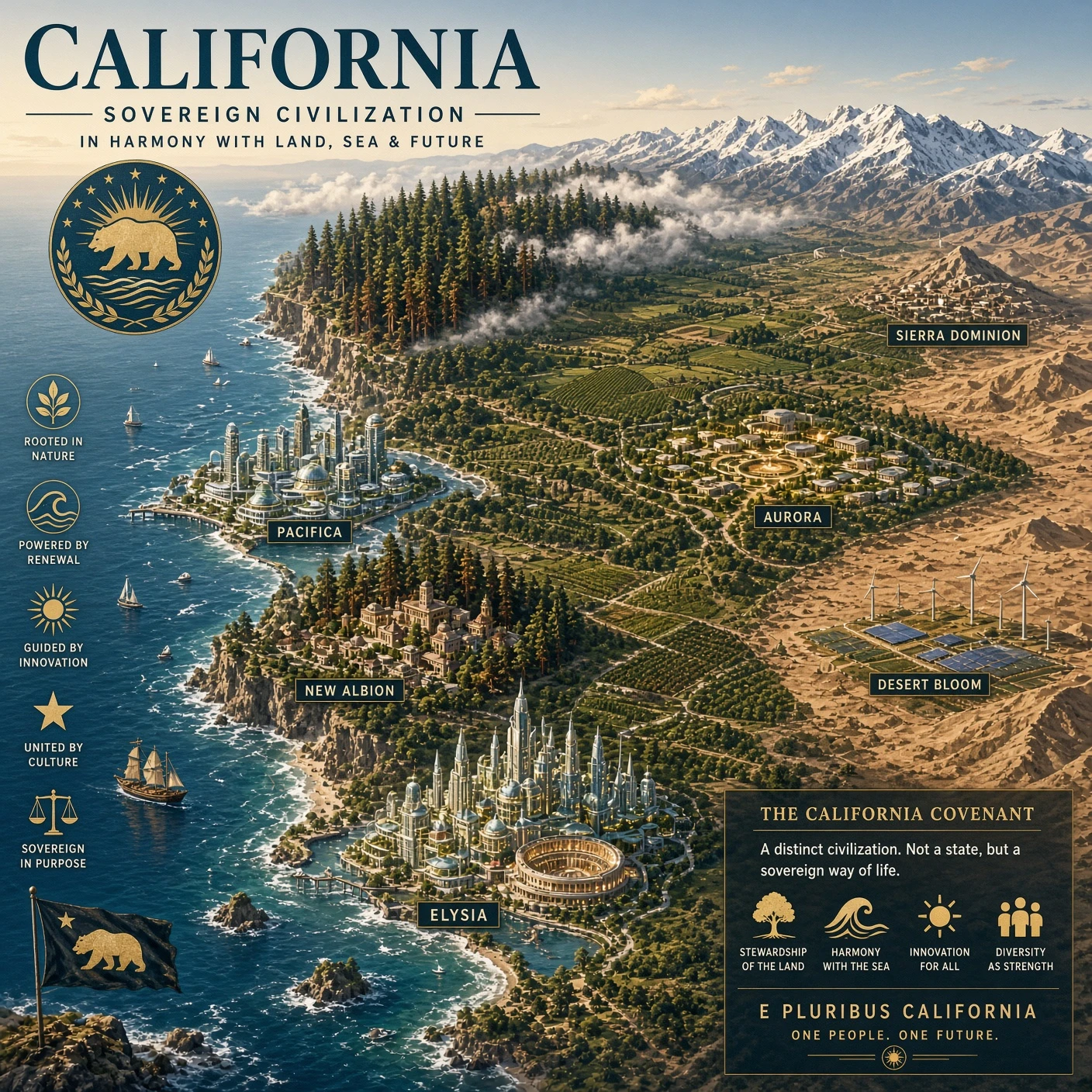
The Ninth Circuit has spoken, and the message is pure California Über Alles. The panel dismissed the Justice Department’s emergency appeal not because the state had confessed to open defiance, but because the lower court had not yet ruled, and two of the judges made plain they would have denied the request on the merits anyway. Judge Bennett, in concurrence, reminded everyone that the Elections Clause leaves the manner of these contests primarily to the states and to Congress; the federal criminal statute against noncitizen voting does not hand the executive a warrant to rewrite California’s processing rules while the ballots are already moving. The practical result is the same: California continues to run its own election under its own statutes, and the appeals court declined to interrupt it.
That is the arrangement the song once mocked and the courts now appear prepared to live with. California does not claim the right to count noncitizen ballots as a matter of policy; it simply declines to segregate the twenty thousand names the federal government flagged, insists that self-attestation under penalty of perjury is compliance enough, and treats a demand for real-time verification as an intrusion upon its own procedures. The majority’s silence on jurisdiction, and Bennett’s further doubts about workable relief so close to Election Day, leave the state free to proceed. The dissenting judge argued that the federal government’s sovereign interest in the integrity of its own elections required action; the panel chose not to supply it. The case returns to the district court, but the appellate signal has already been given.
What remains is the older California claim to a separate political space inside the Union. The franchise is still formally limited to citizens, yet the mechanisms for enforcing that limit against a state that will not cooperate have proved thin. Once the envelopes are opened and the ballots enter the ordinary count, later isolation becomes difficult or impossible. The judiciary, at least in this order, has declined to force the issue in advance. California will conduct the election for federal offices on the terms its own legislature has set, and the courts have so far treated that as an acceptable outcome under the Constitution rather than a challenge to it. The aura smiles; the count continues.
Additional ADNN Articles:
Nithya Raman’s Magic Mail Ballot Surge Fuels Election Fraud Claims
Karen Bass Rages as Spencer Pratt Files Election Law Complaint
West Coast Court Of Appeals Declares That POTUS Has Power Over National Guard
Dhillon's DOJ Demands States Bar Noncitizens from Federal Ballots

Ninth Circuit Lets California Run Its Own Federal Election Rules
Ninth Circuit Lets California Run Its Own Federal Election Rules

Elon Saves America With His Money, Soros Destroys With Yours
Good Vs. Evil. Perception Is Everything! Choose Sovereignty!

Kane’s Ballon d’Or: Class, Family, and the West Restored.
White Loves You. Finally!
Oliver’s Nazi Charge Reveals Marxism’s Grip on American Politics
Leftism Is Mind Control!

Trump Notes Husted Build Then Praises Minaj At Michigan Rally
Global Nigger Communism Is Alive And Well In Michigan! But She's Our Nigger...For Now!
Lula’s Former Lawyer Extends Voting Hours as Count Suddenly Flips
Elections Are Fake And Gay...Lulu Sounds Pretty Gay Too.
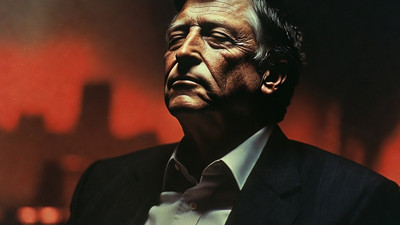
Gates Predicts Twenty Years of Survival Chaos Before Robot Plenty
Learn To Code...Just Kidding. Loosh Freaks Are Thrilled! Sane People Will Live Off The Land...That's The Only Answer.