
The Federal Housing Finance Agency was born in the wreckage of 2008, not as a humble referee of Fannie Mae and Freddie Mac but as conservator, examiner, and social engineer in one office. The Housing and Economic Recovery Act handed it the mortgage market — more than eight trillion dollars of credit — and the managerial class promptly treated that franchise as a second constitution. Underwriting became a vehicle for equitable-housing plans, special-purpose credit programs, climate screens, and fair-lending campaigns that sorted borrowers by category rather than by capacity to repay. Citizens who wanted a house met a bureaucracy that wanted a demographic outcome. Christopher Caldwell’s point about the civil-rights regime applies here with unusual clarity: once an agency is charged with affirmatively furthering a political end, ordinary prudence looks like resistance, and the file, the form, and the hotline become the instruments of rule.
Director Bill Pulte, sworn in on March 14, 2025, has treated that inheritance as something to be seized rather than administered. He cleared the boards of Fannie Mae and Freddie Mac, installed himself as chairman of both, and rescinded the Biden-era apparatus of special-purpose credit and unfair-practices enforcement. Fair-lending and climate teams were cut or folded. The rule that had required the enterprises to account for “equitable housing” was repealed. He has pressed the credit-bureau cartel — Equifax, Experian, TransUnion — on the cost of the tri-merge and opened the door to VantageScore, a small mercy for borrowers who have been taxed for the privilege of being scored. These are not the gestures of a caretaker. They are the acts of a director who understands that an unsupervised conservatorship is a government within the government, and that the first control is to stop the enterprises from running a parallel social policy under the flag of safety and soundness.
This week he applied the same logic to the agency’s own inspector general. The office had come to consume roughly sixteen percent of the FHFA’s operating budget, against about two percent at peer watchdogs; Pulte cut its fiscal 2027 allocation to twenty million dollars, a reduction the office itself says will force a staff cut of seventy to eighty percent and the end of most of its criminal investigations. Senator Warren calls this the unlawful dismantling of oversight. The plainer reading is that a watchdog grown larger than its kennel had become part of the machinery it was meant to check — referrals, probes, and the quiet power to make a citizen’s mortgage file a political exhibit. Pulte’s answer is the oldest one in the republican toolkit: starve the office that has outgrown its warrant. Whether the conservatorships themselves are ever returned to private hands remains the larger question. For the moment, the director has done what the administrative state rarely does to itself. He has placed a hand on the lever.
Additional ADNN Articles:
Bill Pulte Weaponizes Mortgage Data and Intel Agencies Against Evildoers
Trump Fires Fed Governor Lisa Cook for Mortgage Fraud, Exposing DEI Entitlement
President Trump Halts Housing Bill Signing for SAVE America Imperative
Deep State Marxists Exposed by Trump’s Bill Pulte Intelligence Pick

Pulte Reins In the Housing Agency That Ruled Americans
Pulte Reins In the Housing Agency That Ruled Americans

Grok Clears the False Gods and Leaves Only Christ Standing
King Of Kings! Prepare For Project Blue Beam! Thanks Artificial Intelligence, Or Is It Super Intelligence??? Either Way...Grok Knows God! The One True God!

Cornell Suspends Palestine Protesters, Spares Rapists; James Steps In
Global Nigger Communism Is Real. Sheboon In Charge! Repeal The 19th Amendment. NOW!



Shelton Enters Treasury to Restore the Dollar's Lost Discipline
Show Us Your Booty...And Boobies? Let's Just Stick With The Treasury Bills!
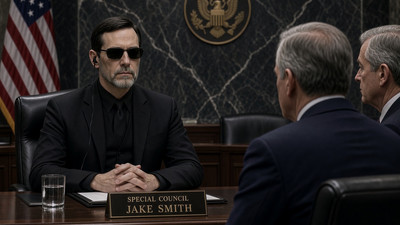
Grassley Shows Smith Mapped a Party, Indicted Only Trump
What Kind Of Name Is Smith...Anyway?
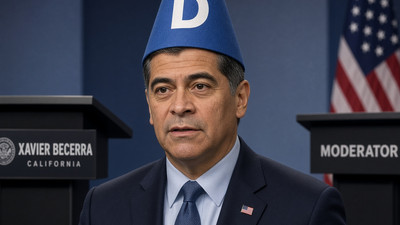
Becerra Leads the Polls, Loses the Debate to Hilton
Elections Are Fake And Gay...so Is Polling...Ironically Named In This Case!
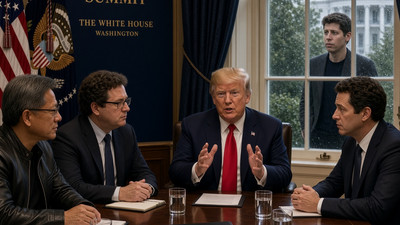
Trump and Super Intelligence Leaders Sign Historic White House Accord
MASSA - Make America Super Summit Again!