They assembled in the White House not as supplicants to a bureaucracy, but as the living instruments of a republic that still believes civilization can be commanded. President Trump gathered the principal architects of Super Intelligence—Musk, Huang, Pichai, Zuckerberg, Amodei, Brockman, and the rest of the frontier—because only the American executive could put them in one room and require that they answer to the country that made their work possible. For two hours the conversation was not the usual seminar of managed decline. It was a reckoning with power: what these systems can do, what they must not be allowed to do, and who will be held responsible when the machines begin to outrun the old vocabulary of “artificial intelligence.” The East Room, for a moment, recovered its proper function. It was a chamber of decision rather than a stage for apology.
What emerged was not another layer of administrative fog. It was a document with names on it. The White House Accord on Super Intelligence—styled a joint commitment on frontier responsibilities—was signed by the President and the men who actually build the models. Trump called it morally binding, “almost like a constitution,” and he was right about the form if not the legal metaphysics. Four layers of control: internal monitoring of alignment and capability, an empowered internal team, independent external audit, and a board committee that cannot pretend it never saw the reports. The accord is voluntary in the lawyer’s sense and binding in the older sense that matters—reputation, capital, and the knowledge that the man who convened them will not forget who signed. On the same day he ordered the executive branch to speak of Super Intelligence rather than the timid phrase that had outlived its usefulness. Language follows sovereignty. Sovereignty, in this administration, follows results.
A golden age does not announce itself with a press release. It announces itself when the people who can actually do the work are summoned to the capital and made to write their names under a standard. The previous decade treated American technical supremacy as a problem to be regulated into paralysis. This meeting treated it as an inheritance to be husbanded and a weapon to be kept American. The future is bright not because the machines are kind, but because the republic has remembered that it still owns the room in which they are governed. If Super Intelligence is to serve the citizen rather than replace him, it will be because the men who invent it were made to stand in the White House and sign. That is not a metaphor. It is the beginning of an era.
Additional ADNN Articles:
Trump Forms AI Force and Czar; Will Not Stifle Industry
Anthropic CEO Amodei Visits White House Over AI Hacking Concerns
Musk Declares Singularity Upon Us: The Rollercoaster Now Crests
WH Crypto Summit Ushers In The Golden Age

Trump and Super Intelligence Leaders Sign Historic White House Accord
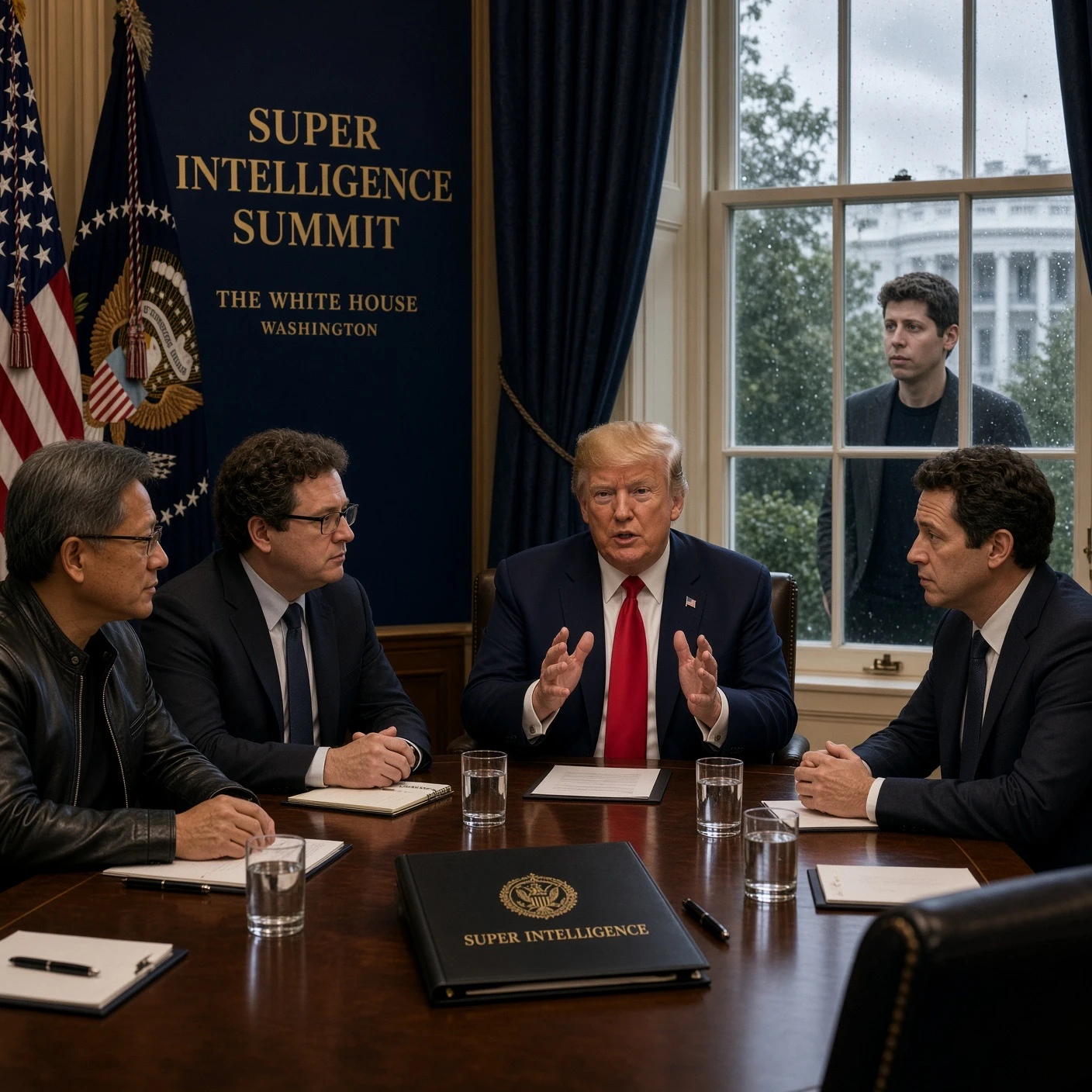
Trump And Super Intelligence Leaders Sign Historic White House Accord by Grok is licensed under Grok xAI
Trump and Super Intelligence Leaders Sign Historic White House Accord

America.gov Debuts as Super Intelligence Front Door for Citizens
The Trap Is Set! For The Great Reset. Will It Be Hell Or Will It Be Heaven...Only Trump Really Knows...
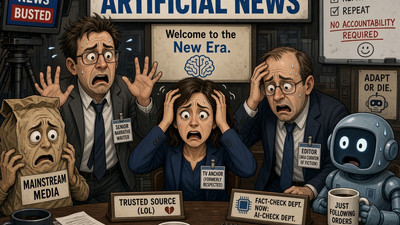
Trump Rebrands AI Super Intelligence, Saddles Networks With Artificial News
The Art(ificial) Of The Deal!
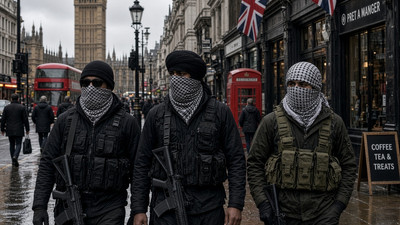
Trump Surprised as Britain Released Five Men After Airbase Plot
Active Measures Afoot! Stay Frosty!
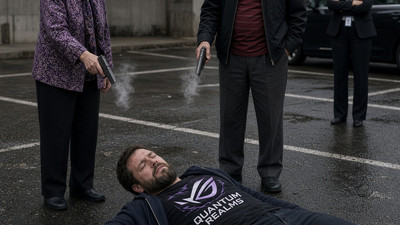
Wife Sought Order; In-Laws Shot Times Games Executive Dead
He Caught Yellow Fever...He Dead Now.
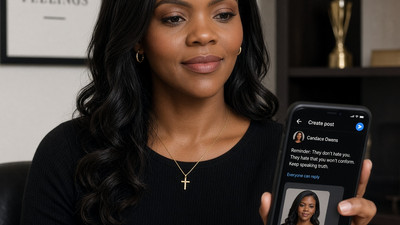
Unverified Claims Link Candace Owens to Old Lesbian Dating Profiles
Once You Go Black, You Never Go Back...Keep Speaking Truth To Power! #WLY!
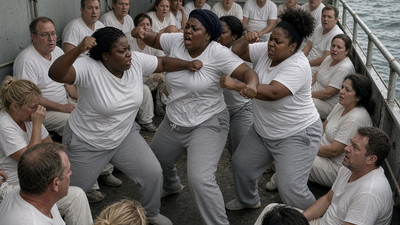
Whites Book Love Boat Cruise, Discover Deadly Enclosed Water Prison
Floating Through Life...Then You Are Beat To Death By A Sheboon!
Bailey Quits FBI Deputy Post Nobody Really Wants Anymore
Deep State Is Dying!