The original Star Wars films did not merely entertain a generation; they codified its self-understanding. The Empire stood in for every institution the Boomers had set themselves against—the square, the hierarchy, the competent order that asked something of them—while the Rebel Alliance embodied the permanent moral exemption they claimed as their birthright. Luke Skywalker’s journey from farm boy to mystic liberator was the cinematic expression of a cohort that had rewritten the postwar settlement as an act of personal authenticity rather than inheritance. To invert that casting, to treat the Empire as the necessary bulwark of civilization against a feckless and destructive insurgency, is therefore not a clever fan theory. It is an assault on the founding myth by which that generation still measures its own righteousness.
Such a reversal exposes the structural weakness at the center of the Boomer dispensation. Once the Empire is allowed to represent continuity, technological competence, and the suppression of chaos rather than pure villainy, the Rebel cause loses its automatic claim to moral superiority. What remains is a picture of youthful sabotage dressed up as destiny—an image uncomfortably close to the actual record of the late 1960s and early 1970s, when institutions were hollowed out in the name of liberation and the costs were deferred to those who came after. Michael Anton’s Flight 93 diagnosis of a managerial elite that no longer believes in the civilization it administers finds its popular counterpart here: the refusal to acknowledge that order has a legitimate claim is itself a form of decadence. Christopher Caldwell’s account of the postwar rights revolution makes the same point in colder terms; the Boomers treated their own preferences as historical inevitabilities, and any narrative that restores the possibility of legitimate authority threatens the entitlement that has structured their public life ever since.
The resulting crisis resembles the older shock of heresy more than ordinary cultural disagreement. When religion still ordered society, a declaration that the established Church was the true enemy of salvation did not merely invite debate; it threatened the shared grammar by which people understood themselves and their obligations. Reimagining the Empire as the good guys performs an analogous service today. It does not ask Boomers to like a different set of characters. It asks them to consider that the story they told about their own youth—the story of rebels who were always right against an empire that was always wrong—may have been the original act of self-flattery. The discomfort that follows is the discomfort of a generation discovering that its founding myth was never a description of the world, only a permission structure for its own preferences. In an age that has largely abandoned older forms of orthodoxy, this cinematic heresy still retains the power to unsettle, precisely because the myth it challenges remains, for many, the last available substitute for religion.
Additional ADNN Articles:
On May 4th Trump Fights The Empire That Obama Embraced
Anakin Saw the Multispecies Jedi Council and Chose Fascism
Disney Morality Fuels Third-Worldism: Feelings Trump Facts, Mobs Fade to Bureaucratic Sludge
Trump Defies Ron Paul False Dichotomy Sustaining American Empire Reform

Reimagining the Empire as Heroes Strikes at Boomer Myth
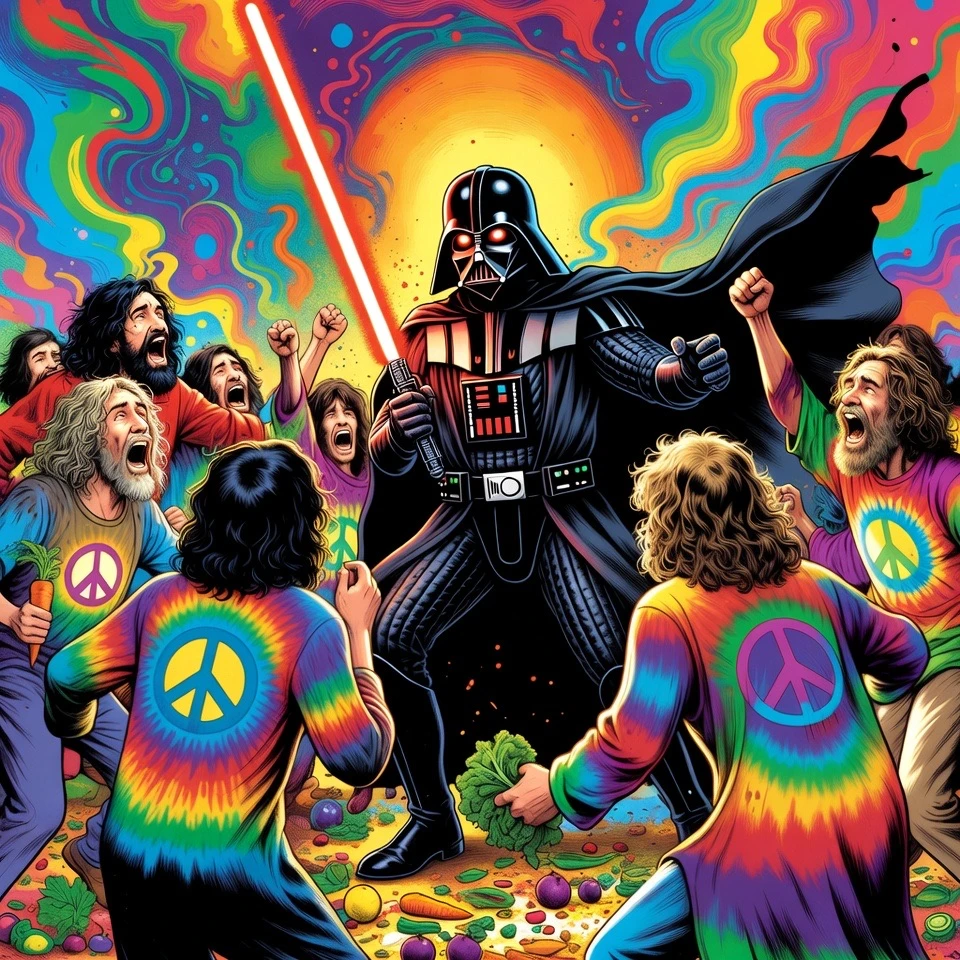
Reimagining The Empire As Heroes Strikes At Boomer Myth by Grok is licensed under Grok xAI
|
Reimagining the Empire as Heroes Strikes at Boomer Myth

Bahamas-Bound Learjet Plunges Near Mar-a-Lago, Killing All Nine Aboard
Fact From Fiction!

Florida Learjet Crash Looked Like a Missile Says Governor DeSantis
It's War! Or Maybe Not...Or Maybe So...Time Will Tell. Bombs Away!
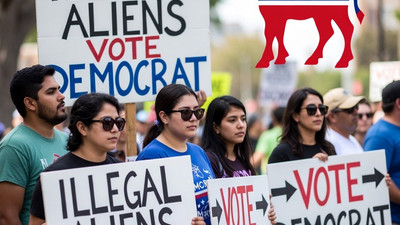
No Democrat State Checks Citizenship on Its Voter Rolls
Elections Are Fake And Gay...So Are Democrats And Their Mind Control Masters!
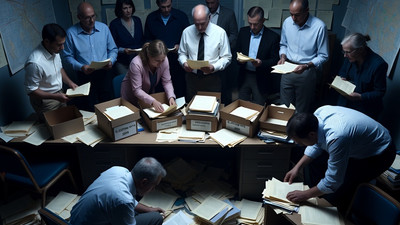
Trump’s DOJ Files Lawsuits to Secure Midterm Ballot Integrity
Law And Order...In The Back Room Too!
Media Prepares Excuses to Bury Election Irregularities Before Ballots Count
Enemy Of The People Are In On It...And Many Don't Even Know It!

Halloween Shrinks as Trust Collapses Under Theft and Disorder
Tricked Not Treated.
Daylight Saving Time Harms Health; Align Clocks With Human Biology
Time Takes Time!