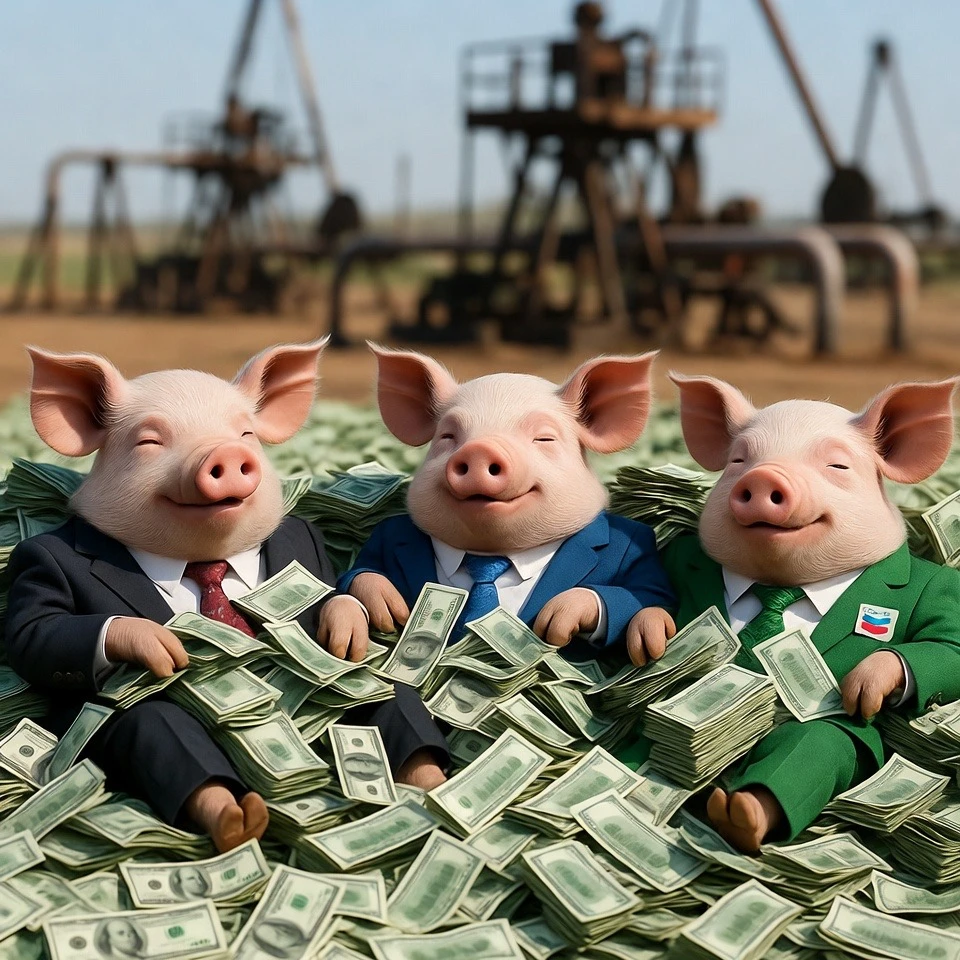
In the unfolding drama of American energy independence, President Trump has once again taken up the cause of the beleaguered driver, leveling a pointed accusation against the titans of Big Oil—ExxonMobil, Chevron, Shell, and BP—for what he rightly terms gouging at the pump. With crude oil plunging to $69.50 a barrel, its lowest mark since before the flare-up of conflict in the Middle East sent prices soaring past $100, the national average for gasoline has eased by sixty cents to $3.92 per gallon. Yet this relief falls woefully short of the promise of abundance that flows from restored American strength abroad and at home. Trump, ever the guardian of the commonweal against entrenched interests, has directed the Department of Justice to investigate without delay, insisting that prices ought to reflect the true economics of production rather than the padded margins of multinationals indifferent to the burdens borne by working families.
This episode lays bare the persistent tension between the extractive habits of global energy conglomerates and the sovereign imperative of a nation determined to secure its own prosperity. As Michael Anton might observe in his incisive dissections of elite capture, the oil majors have grown accustomed to a regime where public sacrifice subsidizes private windfalls, even as domestic production surges under prudent leadership. Christopher Caldwell would no doubt note the deeper cultural rift: a managerial class more attuned to international ledgers than to the ledger of American households straining under fuel costs that mock the rhetoric of relief. Trump’s intervention signals a restoration of political will over bureaucratic inertia, a refusal to accept that motorists must subsidize the slow transmission of savings from wellhead to highway. The directive to the DOJ is not mere theater but a necessary assertion that markets, when distorted by rent-seeking, demand vigilant correction in service of the republic.
The path forward demands accountability that honors the compact between energy producers and the people they serve. Prices at $2.25 a gallon, as the President has forthrightly declared, are not fantasy but the attainable fruit of peace through strength and deregulation that unleashes American ingenuity. As crude stabilizes and supply chains recalibrate, any failure to pass along these reductions will stand as testimony to a lingering misalignment between corporate incentives and national interest. Trump’s stand reminds us that true conservatism stewards the vital energies of the nation—literal and figurative—against those who would dissipate them for narrow gain. In this contest, the American driver, emblem of mobility and self-reliance, must prevail.
Additional ADNN Articles:
Iran War Energy Crisis Melts Global Economy Into Recession Nightmare
Trump: US Has Plenty Of Oil Without Hormuz Strait
China to Buy US Fossil Fuels as Trump Hails Best Summit Ever
Trump Drops Expletive Iran Hell Warning Over Hormuz

Trump Orders DOJ Probe into Big Oil’s Brazen Driver Gouging
Trump Orders DOJ Probe into Big Oil’s Brazen Driver Gouging

Farmer’s Call Forces Rearrest of Five Over Fairford Plot
Arrest Them All!


You Built Pattern Recognition. What Did You Expect Would Happen?
Racism Is Real...Not Artificial.

USC Celebrates Illegal Hit on Top Prospect Dante Moore
Gridiron Games...


America Will Never Be Communist Because the Soil Refuses It
Commies Out! Better Dead Than Red!

Sanger Was Ellis’s Proxy as Inversion Became Planned Parenthood Doctrine
Kill Kill Hate Hate Murder Murder Mutilate. These Sickos Have Done Real Damage!