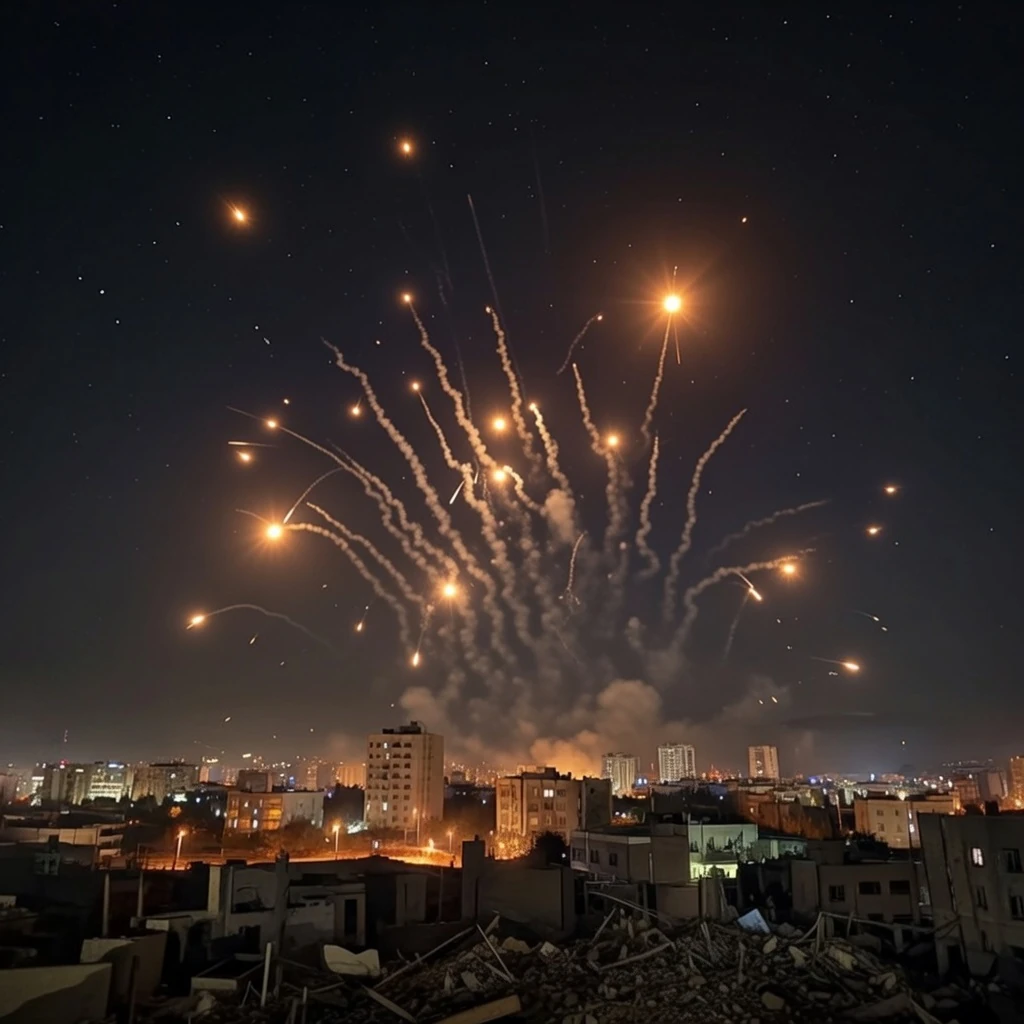
Amid these high-profile crises, President Trump’s administration executed large-scale airstrikes against ISIS targets in Syria on January 10, targeting over 70 sites with more than 90 precision-guided munitions in retaliation for a December ambush that killed two U.S. soldiers and an interpreter. U.S. Central Command described the operation as a commitment to eradicating Islamic terrorism, striking fighters, infrastructure, and weapons caches across the region. The strikes, involving over 20 aircraft, underscore Trump’s aggressive stance on counterterrorism, even as international allies express concerns over escalating U.S. military actions in the Middle East.
This move signals a broader Trump doctrine of decisive action amid global distractions, potentially drawing resources from ongoing interventions in Venezuela and negotiations over Greenland while reinforcing U.S. dominance in Syria against resurgent ISIS threats. Critics argue it risks overextension and further destabilization in the region, but supporters on platforms like X hail it as a necessary blow to terrorism, aligning with calls for strong leadership during Iran’s upheaval. As the world grapples with these interconnected crises, the airstrikes may reshape alliances and intensify scrutiny on America’s foreign policy priorities in 2026.
Additional ADNN Articles:
- Iran In Crisis Because Trump Supports Brave Protestors
- Pope Leo XIV Condemns Maduro Capture, Disappoints Trump Supporters
- Trump’s Genius Maneuver: Surgically Decouples Greenland from Denmark Voluntarily, Securing Arctic
- Trump Eyes Greenland Annexation Seriously, Miller Won’t Rule Out Force on Europe