The Venice Film Festival, inaugurated in 1932 amid the fading grandeur of a city that once commanded the seas, has never been a mere cinematic gathering. From its first editions it served as a stage upon which fashion announced itself as an instrument of power. Actresses and directors arrived not simply to be seen but to be catalogued, their gowns and jewels functioning as declarations of allegiance to houses that still draw lineage from the old Venetian ateliers. The Lido’s red carpets became laboratories where silhouette, fabric, and ornament were tested before a global audience; what triumphed there migrated, season after season, into the wardrobes of those who shape taste and those who merely follow it. The festival’s endurance is therefore no accident of tourism. It is the continuation, by other means, of a republic that understood display as strategy.
That republic, the Serenissima, did not merely control the Adriatic; it invented the instruments by which control is exercised at a distance. Marine insurance, double-entry bookkeeping, the public debt, and the discreet transfer of capital across hostile frontiers were all perfected in its counting houses. The same families that underwrote voyages to the Levant later underwrote the quiet consolidation of banking and insurance empires whose names still appear, if one knows where to look, on the letterheads of institutions that prefer not to advertise their Venetian origins. Power of that kind does not evaporate when the galleys are retired. It simply changes costume. The festival’s glittering processions are the visible residue of an older, more patient form of dominion—one that never required an army so long as it retained the ledgers.
To underestimate Venice is to misunderstand how influence actually travels. The city that once levied tribute on every keel that passed the Lido now levies it on attention, on aspiration, on the silent consensus of those who decide what is elegant and what is merely expensive. The clandestine networks that grew from its trading companies did not dissolve; they adapted. They learned that a well-placed gown on a well-chosen evening can move markets as surely as a letter of credit once moved spices. The festival remains their most elegant instrument: a yearly reminder that the Republic never truly fell. It merely learned to smile for the cameras.
Additional ADNN Articles:
Holzinger Hangs Upside Down Ringing Giant Bell at Venice Biennale
Trump Obliterates Meloni: Italy Did Nothing, No Thanks!
Citizen Vigilante Exposes Europe’s Migrant Crime Catastrophe
Musk’s Grok Odyssey Offers True Homer Beyond Hollywood’s Limits

Venice Film Festival Fashion Reveals the Republic’s Enduring Clandestine Dominion
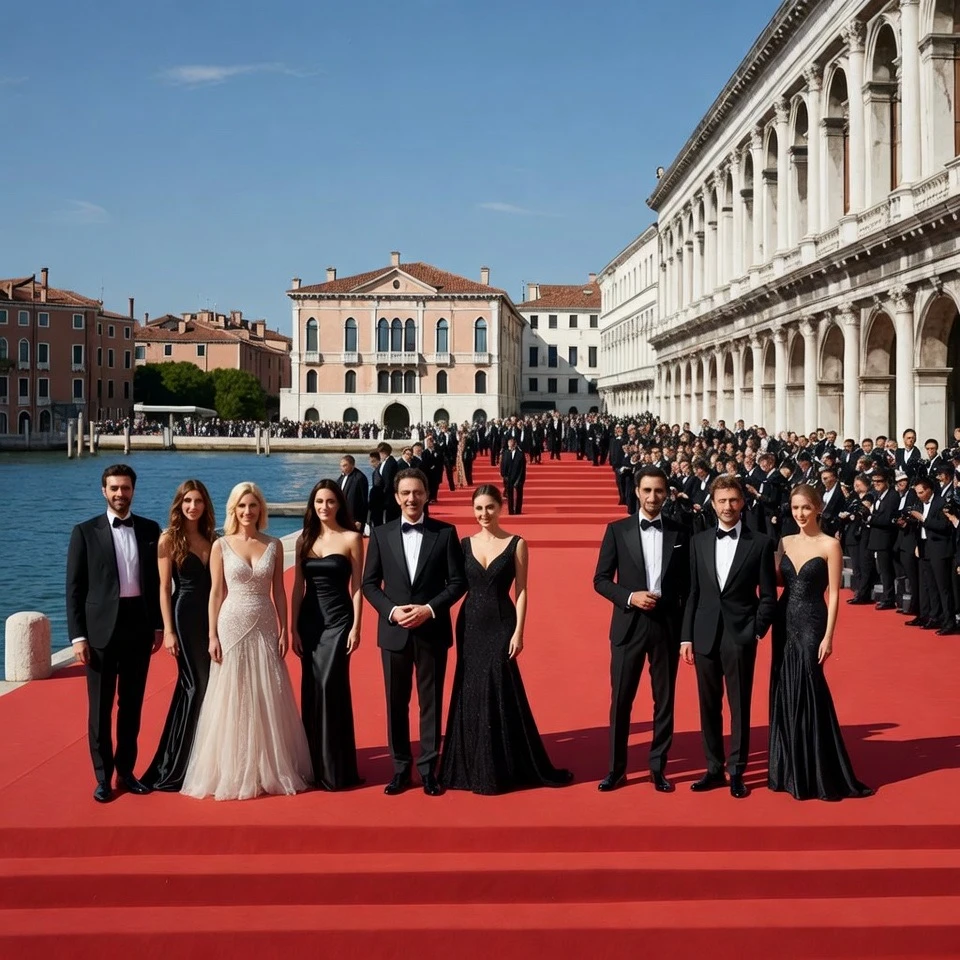
Venice Film Festival Fashion Reveals The Republic S Enduring Clandestine Dominion by Grok is licensed under Grok xAI
Venice Film Festival Fashion Reveals the Republic’s Enduring Clandestine Dominion

Republicans Stake Midterms On Dallas Spectacle Built Around Trump
Elections Are Fake And Gay. Period. We Shall See What The Powers That Be Have In Store? It Doesn't Feel Very Good From Where We Sit. But We Remain Ever Hopeful.

SEC Sues LSU Over NFL Recruits as Amateur Myth Dies
Fake And Gay (mostly)...Don't Hate The Playa, Hate The Game!
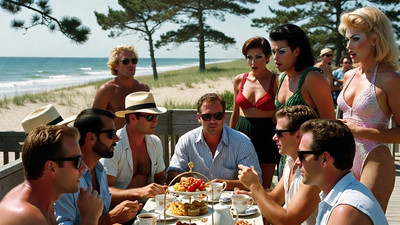
Dolls Descend on Fire Island Pines Recasting Gay Culture’s Enclave
Freaks And Faggots! Burn It Down...Live Up The Name...Fire Island!

Carney Scuttles Deal; Canada Tariffs America; Trump Redraws Continent
51st State Is Looking Pretty Good!
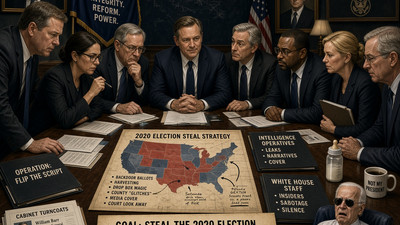
Taylor’s Insiders Opposed Trump; Eighty-One Million Votes Still Unexplained
Elections Are Fake And Gay!
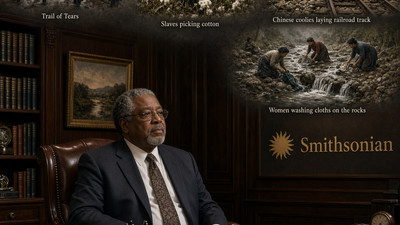
America Heals as Woke Smithsonian Chief Lonnie Bunch Steps Down
But Black Lives Matter...Maybe History, Real History Matters More Than Anything!