The American middle class still books a cruise the way it once booked a Saturday-night movie: as an innocent, packaged escape. The brochure still sells teak decks, a string quartet, and the ghost of The Love Boat—Captain Stubing, smiling stewards, and the promise that the sea will restore what the week has taken. What the brochure does not mention, and what a man without a Twitter or Telegram account will never see until the gangway is raised, is that the ship has become something else: a floating enclosure in which the ordinary courtesies of American life have been replaced by a harsher order. He discovers this not through an editorial or a government advisory, but by the sudden, physical fact of being locked aboard with a population whose codes he does not know and whose tempers the line will not restrain.
The uninformed passenger is not a bigot; he is simply late. He has spent years treating news as background noise and social media as a toy for other people. He therefore arrives with the civic assumption that a commercial vessel flying an American flag will still enforce the old rules—quiet hours, respect for women, the expectation that a dispute ends in words rather than a beating. Those rules have been quietly retired. What remains is a confined economy of fear in which strength, numbers, and the willingness to use them set the tone. The “gorilla water-prison” is not a metaphor he would have chosen; it is the description that forces itself on him when the corridors fill after dark and the staff look the other way. He is not trapped by conspiracy so much as by his own belatedness.
Civilizations do not usually announce their turning points. They advertise them as leisure. The cruise line still prints the same photographs of sunset buffets because the market for innocence remains large, and because the people who might have warned him speak in channels he never joined. Michael Anton’s passenger on Flight 93 at least knew the cockpit door was locked; this passenger learns the same lesson only after the ship has cleared the harbor. Christopher Caldwell’s long observation of demographic change finds its miniature here: the old majority still believes it is buying a holiday, while the new facts of the vessel have already been settled. The sea does not care which brochure he read. It only cares that he is aboard.
Additional ADNN Articles:
Hantavirus Leaves Public Unfazed but Ebola Monkeypox Combo Demands Alarm
Hantavirus Outbreak Mirrors Early COVID as Patriots Foil Second Psyop
US Navy’s 20th Strike Kills 4 Narco-Runners, Total 79 Dead: Why Venezuelan Speedboats Race Into Battle Group Kill Zone?
Florida’s Alligator Alcatraz Serves As A Model Facility For All 50 States

Whites Book Love Boat Cruise, Discover Deadly Enclosed Water Prison
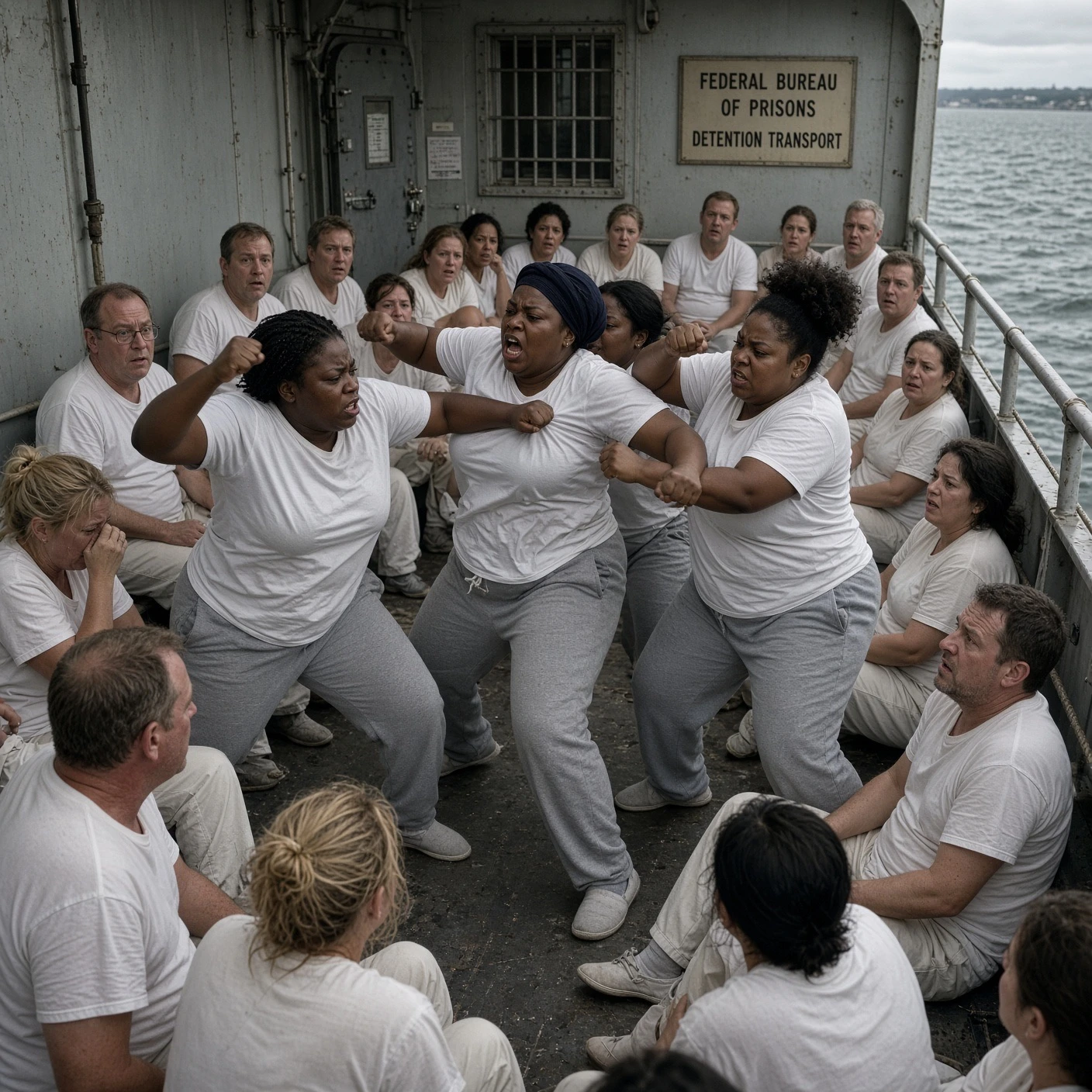
Whites Book Love Boat Cruise Discover Deadly Enclosed Water Prison by Grok is licensed under Grok xAI
Whites Book Love Boat Cruise, Discover Deadly Enclosed Water Prison
Trump Surprised as Britain Released Five Men After Airbase Plot
Active Measures Afoot! Stay Frosty!
Wife Sought Order; In-Laws Shot Times Games Executive Dead
He Caught Yellow Fever...He Dead Now.

Unverified Claims Link Candace Owens to Old Lesbian Dating Profiles
Once You Go Black, You Never Go Back...Keep Speaking Truth To Power! #WLY!

Bailey Quits FBI Deputy Post Nobody Really Wants Anymore
Deep State Is Dying!

U.S. Government Declares Final Battle During National NFL Games
Trust The Plan...Maybe?

WSJ Poll Puts Trump at Lowest Midterm Mark Since 1990
Enemy Of The People!

Harvard’s Own AI Tutor Doubles Learning, Exposes Classroom Bubble
Principles Over Personalities...

Farmer’s Call Forces Rearrest of Five Over Fairford Plot
Arrest Them All!