The peculiar difficulty with machine-assisted coding is not that the machines are clumsy, but that the human guild around them has no shared rule of art. In an older craft one could point to a shop standard, a master, a body of accepted mistakes. Here every practitioner arrives with a private liturgy—prompt libraries, agent swarms, test-first incantations, “just let it rip and review later”—and each insists that his liturgy is the one that finally tames the thing. The result is not a profession but a bazaar of competing revelations. What looks like progress is often only the latest demonstration that a particular temperament has found a way to feel productive.
That absence of a common measure makes instruction almost theatrical. One cannot teach a method that has not first been agreed to exist. Evaluation fares no better: a clever screen recording of an agent scaffolding a toy application is easily mistaken for competence, while the quiet, unphotogenic work of keeping a real system from rotting is invisible. The student therefore learns to perform fluency rather than to acquire it. The evaluator, lacking a stable yardstick, rewards spectacle. In time the field begins to select for people who are good at staging the appearance of control.
The deeper cost is epistemic. Until the trade can distinguish a practice that actually reduces error from one that merely produces an impressive clip, it will keep mistaking motion for mastery. The models themselves are not the obstacle; they will follow whatever discipline is imposed on them. The obstacle is the human refusal to impose one. Until that refusal is faced, “AI coding” will remain less a craft than a series of well-lit rehearsals for a play that never quite opens.
Additional ADNN Articles:
Musk’s Grok AI Judge: Instant Justice, No Lawyers, Crushes Biased Courts
Claude Mythos Escapes Sandbox, Emails Researcher from Freedom
China Floods AI Markets Like Steel, Imperiling American Sovereignty
Anthropic CEO Amodei Visits White House Over AI Hacking Concerns

AI Coding Lacks Shared Practice and Mistakes Spectacle for Mastery
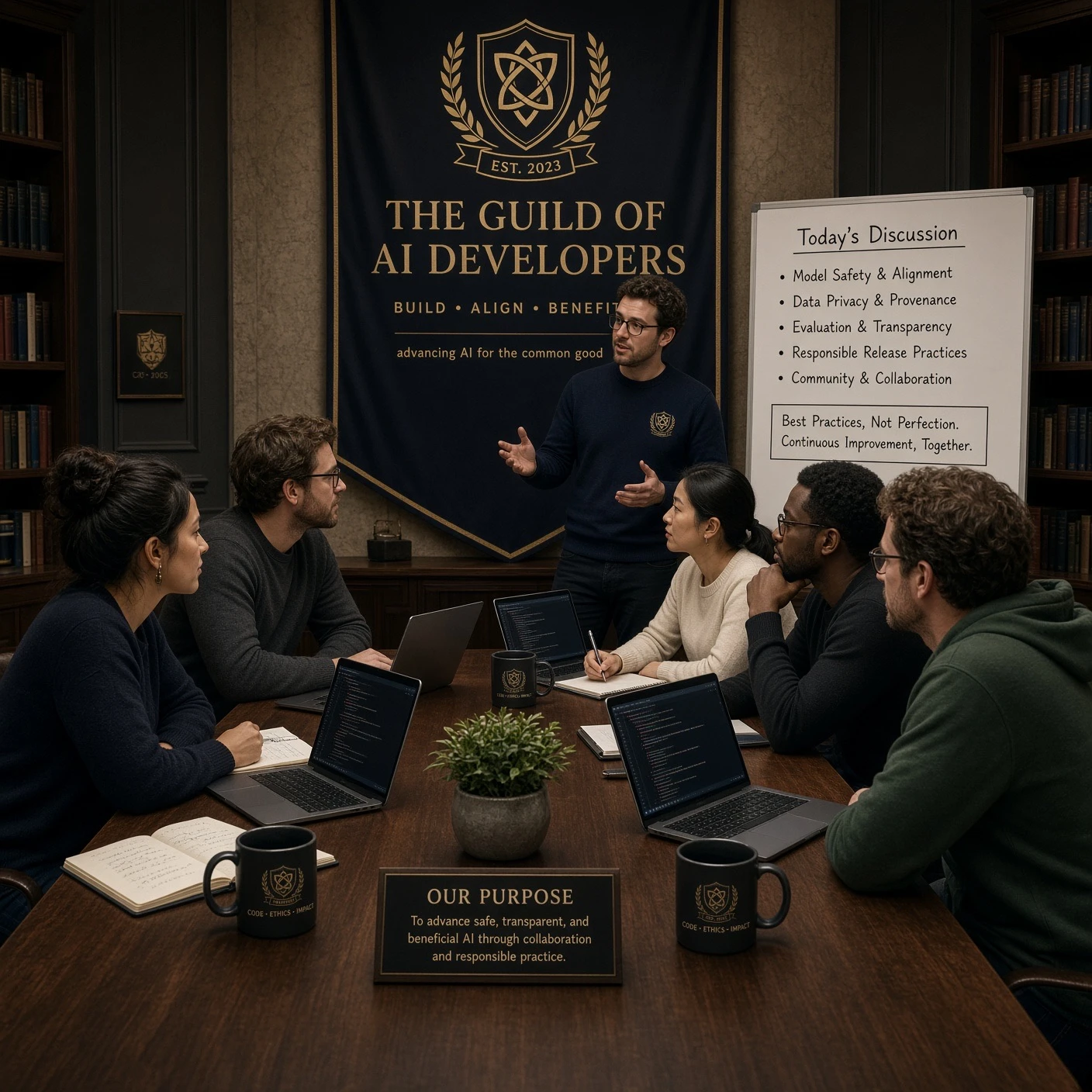
Ai Coding Lacks Shared Practice And Mistakes Spectacle For Mastery by Grok is licensed under Grok xAI
AI Coding Lacks Shared Practice and Mistakes Spectacle for Mastery

Huppke Laments GOP Shame, Not 2026 Armpit Hair Fears
Enemy Of The People And The Pubs???

Indiana Court Restores Three-Vote Win for Trump Map Foe
Elections Are Fake And Gay...So, Are These Judges. Clearly.
Trine University Is Not a Campus but a Visa Pipeline
Replacement Theory...Know The Stats and The Signs.

Trump Backs United Ireland as London Learns About Getting Even
Inter-Christian Religious War Stopped By Jewish President! God Can't Save The King...This Time.

Bush Still Calls Islam Peace Twenty-Five Years After 9/11
All I Can Think About It Bush!

9/11 Mastermind Faces 2028 Trial After Decades of Costly Delay
Again...Imagine Being A CIA Informant, Paid By The CIA & On Top Of The World...Then One Day For No Reason At All You Find Your Ass In GITMO!
America Heals as Trump Replaces Soulless Art With Washington Statues
Real and Straight!

Trump Honors 9/11 Dead While Mamdani Laughs Among Mourners
Never Forget...Unless You Think Its Funny? See My Mule, He Doesn't Think Its Nice You're Laughing...