Americans watched in something close to wonder as the 2026 World Cup unfolded across their own stadiums, packing every venue to near-perfect capacity, shattering attendance records, generating revenues that will fund the game for a generation, and delivering the spectacle of a lifetime without the usual cascade of violence or institutional collapse. The tournament looked, by every ordinary measure, like a triumph of competence and scale. Yet scarcely had the confetti settled before the same soccer establishment that had ridden the wave of American hospitality began turning on the man who presided over it. Gianni Infantino, having overseen what appeared the most successful World Cup in history, now finds the European confederations, key national associations, and internal FIFA functionaries withdrawing support and openly questioning his continued leadership. The ordinary American spectator is left staring at the spectacle and asking the only sensible question: for what?
The immediate pretext is Infantino’s aborted proposal to create a commercial vehicle and sell a minority stake in future World Cup rights to private capital. European power brokers, long accustomed to treating FIFA as a kind of continental preserve, reacted as though the idea of professionalizing the sport’s finances and expanding its reach constituted a high crime against the game’s soul. Threats of boycotts, resignations of advisers, and formal declarations of lost confidence followed with remarkable speed. That the plan was withdrawn does not appear to have satisfied the critics; the very attempt is now treated as disqualifying. One detects, beneath the language of transparency and governance, a deeper resentment that the World Cup’s commercial and popular center of gravity had shifted toward North America and that Infantino had the temerity to treat that success as something more than a temporary American concession.
What confuses Americans is not merely the suddenness of the turn but its apparent indifference to results. In any other enterprise, delivering the largest, safest, and most lucrative edition of a global event would strengthen a leader’s position. In the peculiar moral economy of international soccer’s permanent bureaucracy, success achieved outside the approved networks seems to invite precisely the opposite response. The pressure now mounting on Infantino is less about any particular financial scheme than about the reassertion of institutional ownership by those who have long regarded the sport as their inheritance. The American public, having hosted the party and paid the bills, is left to wonder whether the real offense was not mismanagement but the unforgivable demonstration that the game could thrive under different management and on different soil.
Additional ADNN Articles:
Trump Receives Roaring Cheers at Historic World Cup Victory Ceremony
FIFA Enforces Four-Year Ban on USMNT for Professional Failure
Trump’s FIFA Reversal Exposes 14th Amendment Birthright Citizenship Farce
Hollywood’s Norton-Pitt Soccer Ritual Peddles 9/11 Echoes and Chinese Praise

Americans Baffled as Soccer Elites Turn on Infantino After Record World Cup
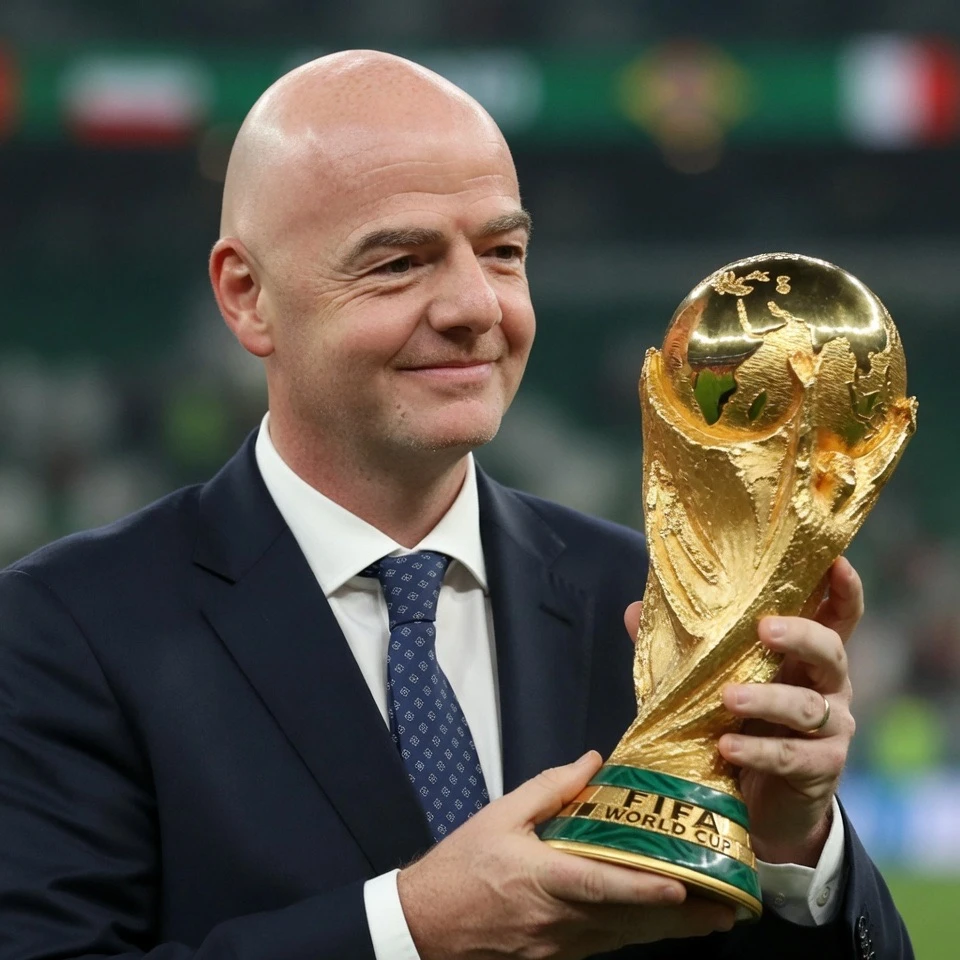
Americans Baffled As Soccer Elites Turn On Infantino After Record World Cup by Grok is licensed under Grok xAI
Americans Baffled as Soccer Elites Turn on Infantino After Record World Cup

War Department Thingamabob Rainbows Tehran Sky, Unsettling Guards and Globalists
A Heap Of Homo Hooligan Hell Hole Rainbow Lights Shock The Sand People. Was It US? Or Enoch? Or Some Other Alien?

Bessent Pins Hugging Face Incident on OpenAI Managers, Not Agents
Bots Aren't Gay...

Austin Protesters Learn Texas Differs From Minnesota After ICE Clash
Don't Mess With Texas!

Fonzie Jumped the Shark; Fifty Years of Failure Endure
Fake And (Almost Certainly) Gay - Jewish Greaser, Mind Control And The Pop-Culture Term That Lives On...

Ukraine’s Swarm Hits Moscow Refinery as Russia Warns Retaliation
World War Three, Anyone?
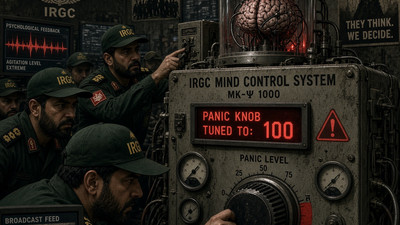
Iran Issues Code 100 as Trump and Netanyahu Rush Home
Turn Up The Volume!
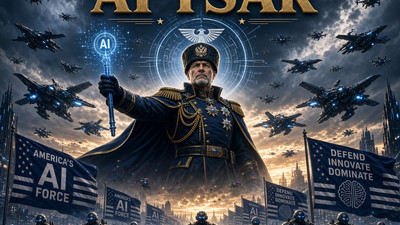
Trump Forms AI Force and Czar; Will Not Stifle Industry
May The Force Be With You! Superior Intelligence Is The New AI!
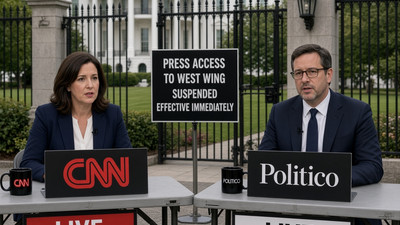
No First Amendment Right To A Seat In West Wing
Mockingbird Press Pissed At Being Locked Out As They Are The "Deep-State-Run-Media" - The Propaganda Arm Of The Intelligence Community Driving Mind Control - Fucking Commies! God To Hell You Sickos!