Austin’s Sunday tableau was a seminar in political geography conducted with pepper balls. After an ICE officer shot and wounded a Venezuelan national during a federal operation in North Austin, the city’s activist class assembled at Research Boulevard with the usual liturgy: Mexican flags, “Abolish ICE,” and the comparison of American immigration officers to Nazis. They blocked a roadway, threw rocks and bottles, and assumed that a blue municipality inside a red state would indulge the ritual. Texas Department of Public Safety troopers and Austin police in riot gear answered with dispersal orders, chemical munitions, and arrests. The lesson was not subtle. Austin may keep itself “weird,” but it sits inside a jurisdiction that still treats obstruction of a highway and interference with officers as crimes rather than sacraments. Those who imported the 2020 playbook discovered that the state surrounding the city had not signed the same waiver.
That is the difference a map still makes. Minnesota in 2020 offered a climate in which a man with a long record of violence, theft, and drug offenses could become an icon, and in which the subsequent nights of arson and looting were treated as moral weather rather than felonies. George Floyd did not choose Minneapolis by accident. Habitual offenders learn, as any other professional does, where the costs of their vocation are lowest. A jurisdiction that lectures its police, kneels with the crowd, and hesitates to clear a street is a more hospitable workplace than one that still believes the first duty of government is to keep the road open and the law intact. Texas, even in its capital, retains that older understanding. The protesters who expected a Minneapolis sequel received instead a reminder that sovereignty is not a costume worn for cameras. It is the capacity to say no, and to mean it.
The unforgiving Texas ethos is not cruelty. It is the recognition that a republic cannot survive if every enforcement action is recast as original sin and every crowd is presumed to speak for justice. Floyd’s career thrived where institutions had already decided that order was the greater offense. The Austin demonstrators assumed the same atmosphere traveled with them. It did not. They found around them a state that still distinguishes between protest and blockade, between speech and assault on officers, between a shooting that will be investigated and a mob that will be moved. Geography is not merely climate and latitude. It is the residue of different decisions about what a community will tolerate. In Texas, that residue is still law. The people who tested it on Sunday learned what “find out” looks like when the surrounding country has not forgotten what it is for.
Additional ADNN Articles:
Leaked Antifa Chats Reveal Official Ties, False Flags in Minneapolis
DOJ Drops Hammer: Criminal Charges Hit 15 Minnesota Antifa Militants
Trump Exposes Soros, Hoffman Funding Antifa ICE Attacks, Vows RICO Probe
ICE Agents Crush Antifa Blockade with Water Cannons, Backed by Millions of American Voters

Austin Protesters Learn Texas Differs From Minnesota After ICE Clash
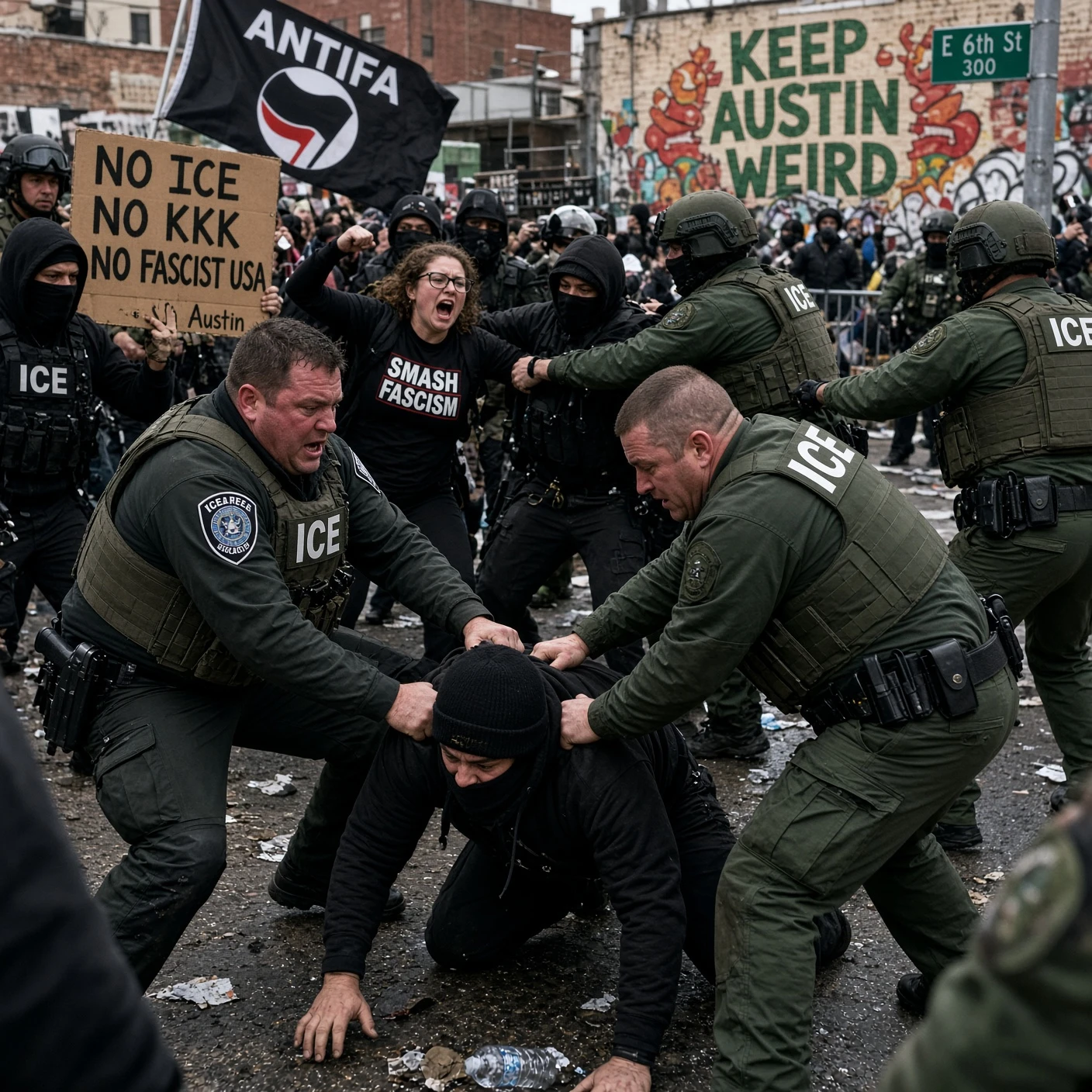
Austin Protesters Learn Texas Differs From Minnesota After Ice Clash by Grok is licensed under Grok xAI
Austin Protesters Learn Texas Differs From Minnesota After ICE Clash
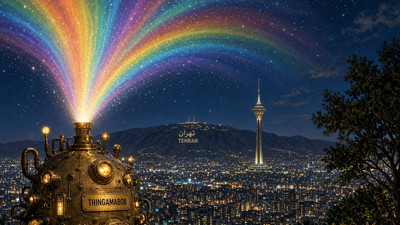
War Department Thingamabob Rainbows Tehran Sky, Unsettling Guards and Globalists
A Heap Of Homo Hooligan Hell Hole Rainbow Lights Shock The Sand People. Was It US? Or Enoch? Or Some Other Alien?

Bessent Pins Hugging Face Incident on OpenAI Managers, Not Agents
Bots Aren't Gay...

Fonzie Jumped the Shark; Fifty Years of Failure Endure
Fake And (Almost Certainly) Gay - Jewish Greaser, Mind Control And The Pop-Culture Term That Lives On...
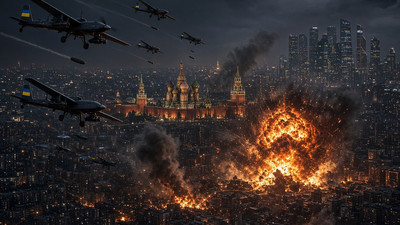
Ukraine’s Swarm Hits Moscow Refinery as Russia Warns Retaliation
World War Three, Anyone?
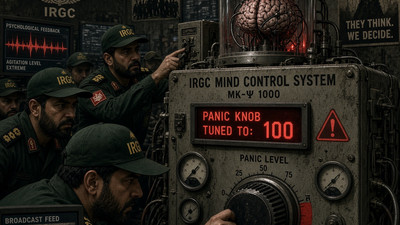
Iran Issues Code 100 as Trump and Netanyahu Rush Home
Turn Up The Volume!

Trump Forms AI Force and Czar; Will Not Stifle Industry
May The Force Be With You! Superior Intelligence Is The New AI!
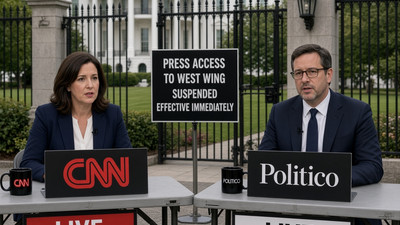
No First Amendment Right To A Seat In West Wing
Mockingbird Press Pissed At Being Locked Out As They Are The "Deep-State-Run-Media" - The Propaganda Arm Of The Intelligence Community Driving Mind Control - Fucking Commies! God To Hell You Sickos!
Trump Secures Infinite Life Greenland Pact Barring China, Russia
Make America Greenland Again - Orangeman Wins Again! God Bless The Red, White And Blue!