The recent violence in Belfast highlights the raw edges of unmanaged migration. A Sudanese asylum seeker, granted refugee status in the UK, was arrested for the brutal stabbing of a local man in north Belfast, leaving the victim with severe injuries including damage to his eyes, face, and back. Graphic videos of the attack spread rapidly, sparking nights of disorder where masked attackers torched homes, vehicles, and even a city bus in neighborhoods perceived as housing immigrants.1012 This isn’t an isolated spark; it’s a symptom of broader strains in Northern Ireland and the UK, where rapid inflows of asylum seekers into working-class areas—often with limited vetting or integration—clash with existing social fabrics already shaped by economic pressures and housing shortages.
History shows the Irish are no strangers to fierce resistance when they perceive existential threats. The island’s past is littered with cycles of rebellion, from the Troubles’ sectarian bloodshed—claiming over 3,500 lives—to earlier plantations and uprisings where locals pushed back against imposed changes.20 Protestant and Catholic communities, long divided by deep historical grievances, now face a new variable: large-scale immigration from distant cultures under policies that prioritize volume over cohesion. If those old divides ease enough for unified action against what many see as demographic engineering by globalist incentives, the resulting pushback could indeed turn “dicey”—escalating beyond sporadic riots into sustained unrest. Data from various studies on asylum inflows and crime (property crimes in particular) underscores why public patience frays when high-profile incidents pile up, even as overall patterns are debated.
Violence like arson solves little and often backfires, harming innocents and handing ammunition to those who dismiss legitimate grievances. The wiser path lies in facing uncomfortable realities: nations thrive with controlled borders, cultural compatibility prioritized in immigration, and swift justice—including deportation for serious offenders. Ireland’s people, with their well-earned reputation for resilience and unwillingness to be steamrolled, are signaling that endless, unassimilated inflows risk fracturing the social contract. Governments ignoring this invite exactly the instability they’re now condemning. Sustainable harmony demands honest policy recalibration, not denial or escalation—because pretending integration is automatic has never ended well, anywhere.
Additional ADNN Articles:
Irish PM Urges Dual Loyalty on Christian Saint Patrick’s Day
US Rejects UN Migration Compact, Pushes Remigration Over Replacement
ISIS Terrorist Ambush Kills US Troops During Anti-Terror Meeting
Trump Announces US-Nigerian Forces Killed ISIS Global No. 2 Leader

Belfast Burns: Irish Unite to Torch Immigrant-Flooded Neighborhoods

Belfast Burns Irish Unite To Torch Immigrant Flooded Neighborhoods by Grok is licensed under Grok xAI
Belfast Burns: Irish Unite to Torch Immigrant-Flooded Neighborhoods

Trump Backs United Ireland as London Learns About Getting Even
Inter-Christian Religious War Stopped By Jewish President! God Can't Save The King...This Time.

Bush Still Calls Islam Peace Twenty-Five Years After 9/11
All I Can Think About It Bush!

9/11 Mastermind Faces 2028 Trial After Decades of Costly Delay
Again...Imagine Being A CIA Informant, Paid By The CIA & On Top Of The World...Then One Day For No Reason At All You Find Your Ass In GITMO!
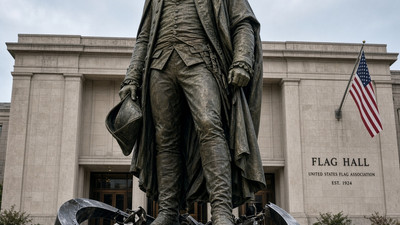
America Heals as Trump Replaces Soulless Art With Washington Statues
Real and Straight!

Trump Honors 9/11 Dead While Mamdani Laughs Among Mourners
Never Forget...Unless You Think Its Funny? See My Mule, He Doesn't Think Its Nice You're Laughing...

Houthis Seize Red Sea Coast as Yemen’s Long Truce Unravels
La Guerre Tout Le Temps

Sole Black Juror Unmasks Progressive Racial Theater in Clancy Case
The World Is Black & White - As Well As - Upside Down! Did He "Know" That The Husband Was Guilty?

Ramzi Yousef Designed the Attack; Bin Laden Took the Credit
Imagine Being A CIA Asset And Then All Of A Sudden...You Are A Master Mind.