The great forests of southwestern France, long a stage for the leisured and the cultivated, now stand as a theater of ruin. Wildfires of uncommon ferocity have forced some 141,000 people from their homes, consumed nearly 19,000 hectares of land, and pressed hard against the tourist corridors that once promised quiet summers along the Atlantic coast. Evacuation orders, firefighting lines, and the weary rotation of crews continue without pause, yet the scale of the destruction invites a harder question than mere meteorology can answer.
What presents itself as natural catastrophe begins to resemble something more deliberate. Multiple ignition points, rapid simultaneous advances, and the careful timing against the height of the tourist season form a pattern that does not sit comfortably with the language of accident or climate alone. In a continent already strained by unmanaged movement and the erosion of civic confidence, the spectacle of flame sweeping through settled landscapes carries the unmistakable odor of intentional disruption. Authorities speak of heat and drought; the ground itself suggests calculation.
Firefighting proceeds, the roads remain clogged with the displaced, and the tourist economy absorbs another blow. Yet the deeper wound is political. When a society loses the capacity to distinguish between the random violence of nature and the organized violence of men, it loses the first condition of self-defense. These fires, whatever their precise origin, have already done more than blacken trees. They have tested whether France still possesses the will to name what it sees.
Additional ADNN Articles:
Canadian Wildfires Choke America: Integrate as 51st State Now
Belfast Burns: Irish Unite to Torch Immigrant-Flooded Neighborhoods
Toxic Chemical Tank Fire Forces Mass Evacuations Across Southern California
George Clooney Family Gains French Citizenship, Flees MAGA America

Wildfires Ravage Southwest France Forcing Evacuations Like Planned Terror Attacks
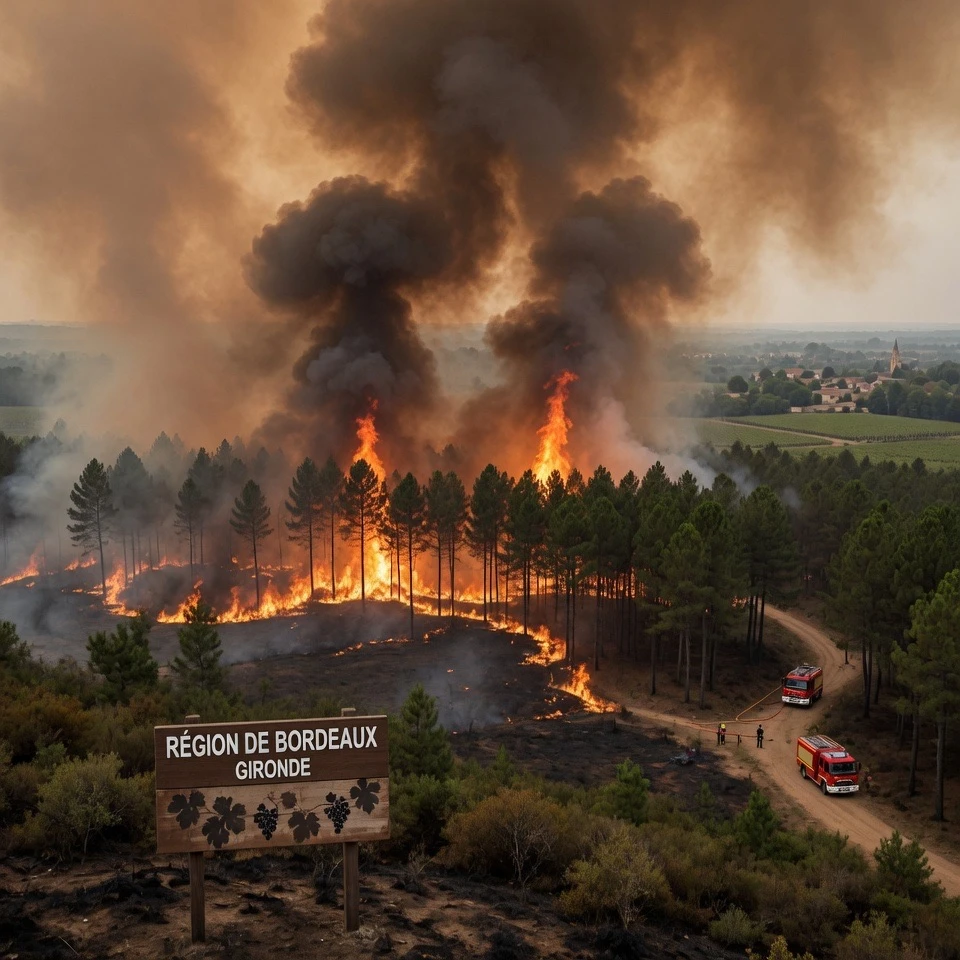
Wildfires Ravage Southwest France Forcing Evacuations Like Planned Terror Attacks by Grok is licensed under Grok xAI
Wildfires Ravage Southwest France Forcing Evacuations Like Planned Terror Attacks

War Department Thingamabob Rainbows Tehran Sky, Unsettling Guards and Globalists
A Heap Of Homo Hooligan Hell Hole Rainbow Lights Shock The Sand People. Was It US? Or Enoch? Or Some Other Alien?

Bessent Pins Hugging Face Incident on OpenAI Managers, Not Agents
Bots Aren't Gay...

Austin Protesters Learn Texas Differs From Minnesota After ICE Clash
Don't Mess With Texas!

Fonzie Jumped the Shark; Fifty Years of Failure Endure
Fake And (Almost Certainly) Gay - Jewish Greaser, Mind Control And The Pop-Culture Term That Lives On...
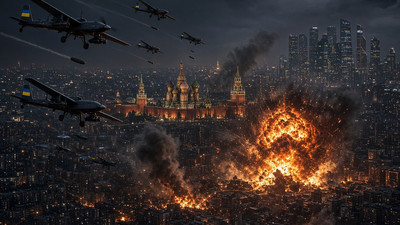
Ukraine’s Swarm Hits Moscow Refinery as Russia Warns Retaliation
World War Three, Anyone?

Iran Issues Code 100 as Trump and Netanyahu Rush Home
Turn Up The Volume!

Trump Forms AI Force and Czar; Will Not Stifle Industry
May The Force Be With You! Superior Intelligence Is The New AI!
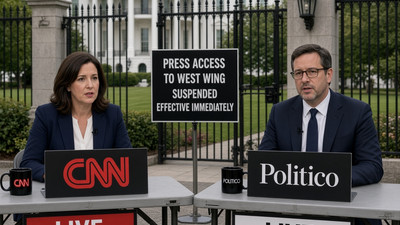
No First Amendment Right To A Seat In West Wing
Mockingbird Press Pissed At Being Locked Out As They Are The "Deep-State-Run-Media" - The Propaganda Arm Of The Intelligence Community Driving Mind Control - Fucking Commies! God To Hell You Sickos!