The total lunar eclipse on March 3, 2026, known as a blood moon due to its striking reddish hue caused by Earth’s atmosphere scattering sunlight, has no direct scientific impact on world affairs. Astronomically, it’s a predictable alignment of the sun, Earth, and moon, visible across regions like North America, the Pacific, Asia, and Australia, lasting about 58 minutes in totality. While it doesn’t alter geopolitical dynamics or economic systems, such events historically foster global unity through shared wonder, boosting tourism in viewing hotspots and inspiring scientific education initiatives. For instance, organizations like NASA promote live streams and public viewings, indirectly enhancing international cooperation in space observation and reminding humanity of our collective place in the cosmos amid ongoing global challenges like climate change and resource conflicts.
Culturally and historically, blood moons have been interpreted as omens influencing world affairs, often signaling upheaval or divine intervention in various societies. Ancient civilizations, from the Babylonians to the Incas, viewed the moon’s crimson appearance as a harbinger of war, natural disasters, or the death of rulers, sometimes prompting leaders to delay battles or make hasty decisions. In Chinese folklore, eclipses were seen as a dragon devouring the moon, leading to rituals that could unite communities in collective action. Even in modern times, these perceptions linger in some African cultures where the event symbolizes renewal or conflict resolution, potentially affecting local social behaviors during periods of tension. While superstition doesn’t drive policy, it can amplify public sentiment, indirectly swaying political narratives in regions prone to instability.
From a prophetic and astrological standpoint, the 2026 blood moon coincides with significant symbolic timings, such as landing on the Jewish holiday of Purim, which commemorates Israel’s ancient deliverance from Persian threats—drawing parallels to current Middle East tensions involving Iran. Biblical interpretations, popularized by figures like John Hagee, link blood moon tetrads to end-times prophecies, suggesting they portend major shifts for Israel and global turmoil, as seen in past tetrads aligning with historical events like the establishment of Israel or the Six-Day War. Astrologically, this eclipse in Leo is viewed as a catalyst for personal and collective transformation, urging release of outdated structures and potentially accelerating changes in international relations or leadership upheavals. Though unsubstantiated scientifically, these beliefs could influence public discourse or even policy in faith-driven societies, especially amid rising global conflicts.
Additional ADNN Articles:

Blood Moon Eclipse: Cosmic Omen Sparks Global Transformation Talks
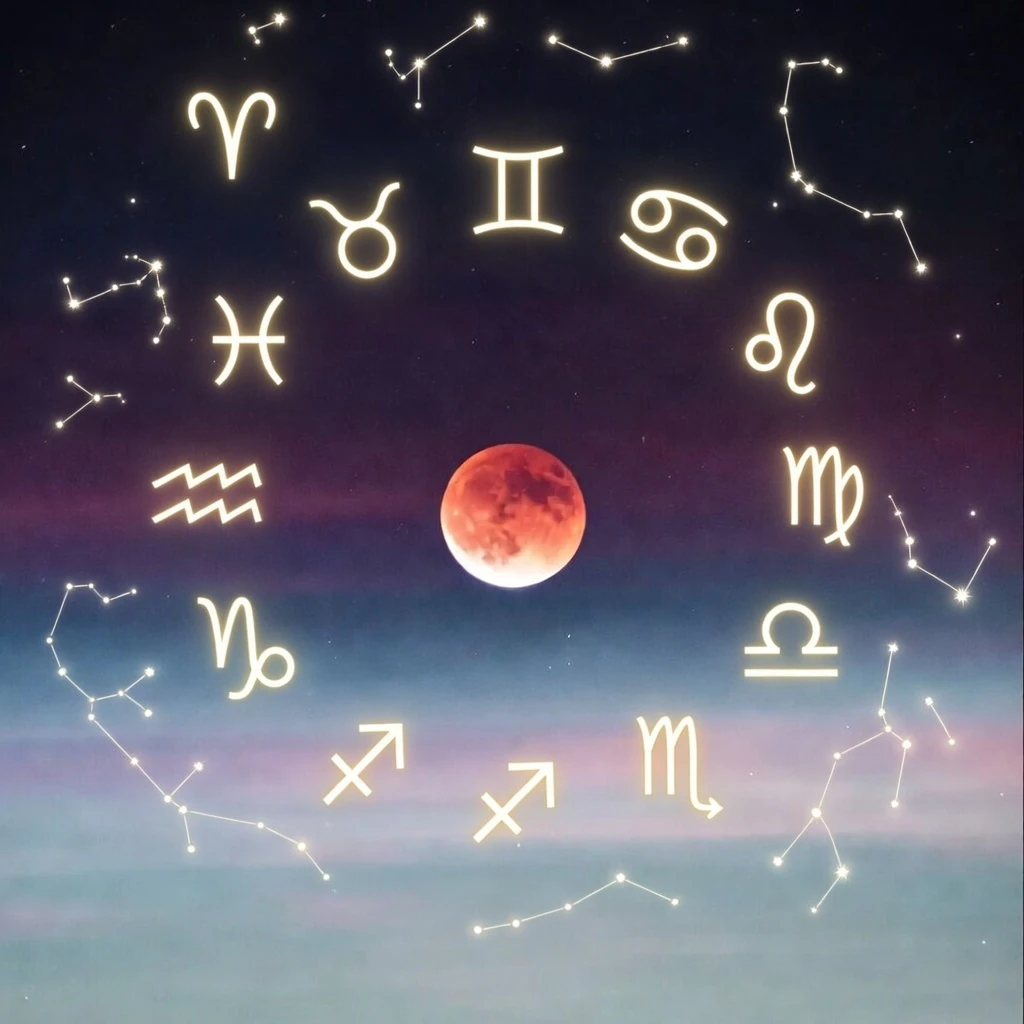
Blood Moon Eclipse Cosmic Omen Sparks Global Transformation Talks by Grok is licensed under Grok xAI
Blood Moon Eclipse: Cosmic Omen Sparks Global Transformation Talks
War Department Thingamabob Rainbows Tehran Sky, Unsettling Guards and Globalists
A Heap Of Homo Hooligan Hell Hole Rainbow Lights Shock The Sand People. Was It US? Or Enoch? Or Some Other Alien?

Bessent Pins Hugging Face Incident on OpenAI Managers, Not Agents
Bots Aren't Gay...

Austin Protesters Learn Texas Differs From Minnesota After ICE Clash
Don't Mess With Texas!

Fonzie Jumped the Shark; Fifty Years of Failure Endure
Fake And (Almost Certainly) Gay - Jewish Greaser, Mind Control And The Pop-Culture Term That Lives On...

Ukraine’s Swarm Hits Moscow Refinery as Russia Warns Retaliation
World War Three, Anyone?
Iran Issues Code 100 as Trump and Netanyahu Rush Home
Turn Up The Volume!

Trump Forms AI Force and Czar; Will Not Stifle Industry
May The Force Be With You! Superior Intelligence Is The New AI!

No First Amendment Right To A Seat In West Wing
Mockingbird Press Pissed At Being Locked Out As They Are The "Deep-State-Run-Media" - The Propaganda Arm Of The Intelligence Community Driving Mind Control - Fucking Commies! God To Hell You Sickos!