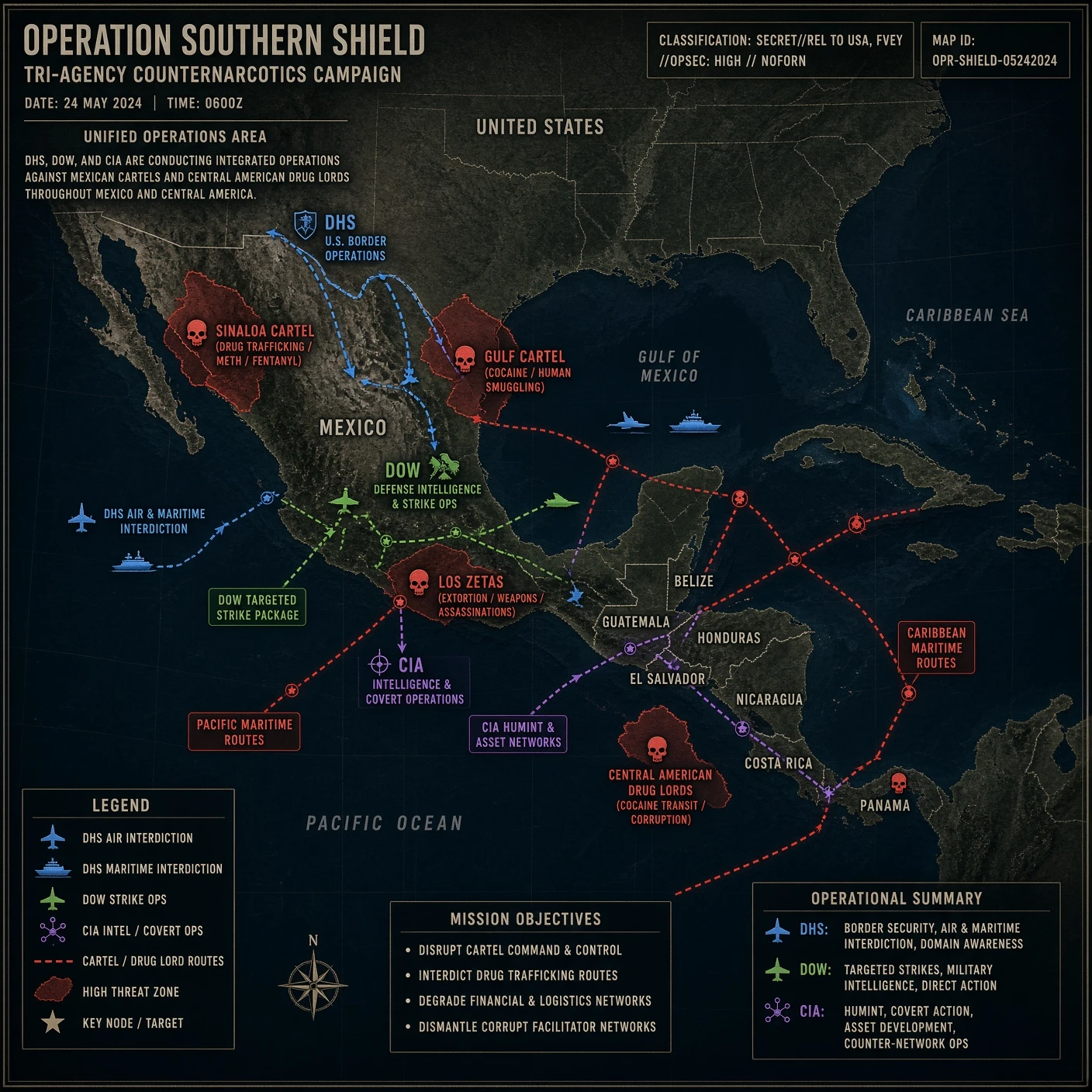
The Republic is fighting a war on its own threshold, and the cameras are pointed the other way. Ukraine is in its 1,684th day of grinding attrition, with Russian strikes still falling by the hundred and the front still refusing to settle. Iran, struck by American and Israeli forces beginning late in February, has returned to the exchange of missiles and the familiar theater of brinkmanship. Both contests are real. Both consume attention, appropriations, and the finite stock of public seriousness. Neither is the war that decides whether the American interior remains governable. That contest runs along the Rio Grande and through the plazas of Central America, where cartels that have long since ceased to be mere smugglers now field drones, hire gunmen, and treat the southern line as a commercial frontier.
The nearer campaign is no longer a metaphor. Joint Task Force–Southern Border has kept thousands of service members on the line since the spring of 2025. After Coast Guard crews took fire from the Mexican bank near Garceno on September 26, roughly five hundred troops were moved into the Rio Grande Valley under Operation Unified Resolve, itself folded into the broader effort called Ardent Vanguard. High-energy lasers have already burned cartel drones out of the sky. In Ecuador, about fifty American troops and federal officers joined local police on September 24 in raids against a cocaine network tied to the Jalisco New Generation Cartel, the first confirmed American participation of that kind on the ground. The Southern Command commander has said land strikes remain on the table. Federal law enforcement, the Department of War, and the intelligence services are pressing drug routes, human-smuggling corridors, and the money that launders both. This is the old business of the state — denying armed foreigners the right to operate against the Republic — conducted at a volume the evening news declines to match.
The key point about the postwar settlement was that a people can be rearranged without ever voting on the rearrangement. A regime will narrate every danger except the one that indicts its own negligence. The distraction works because it is not invented. Distant wars supply genuine casualties, genuine maps, and a respectable vocabulary of alliances. What they purchase is silence about the nearer fact: that organized violence on the Mexican side of the border, and in the transit states below it, has been aimed for years at the Republic’s labor markets, its cities, and its capacity to say who may enter. Were the same footage that fills the broadcasts from Kyiv and the Gulf to come instead from Reynosa, Matamoros, or the Ecuadoran raids, the public temper would shift overnight. Distance is a kindness the cartels have not earned, and a luxury a sovereign people cannot keep affording.
Additional ADNN Articles:
Mexico Cartel Violence Erupts; Media Diverts to Iran Nuclear Talks
Mexican Mafia Dozens Arrested in California Amid Iranian Conflict Focus
El Mencho Slain: Cartels Retaliate, Americans Shelter Amid Mexican Chaos
Ukraine’s Swarm Hits Moscow Refinery as Russia Warns Retaliation

Distant Wars Distract From the Cartel Fight at Home
Distant Wars Distract From the Cartel Fight at Home
Bond Market Turns Bidless as Yields Breach Twenty-Year Highs
Running Out Of Options...Trump Will Win!

Tennessee’s Execution Architect Quits After Second Failed Death
Pull The Plug Already!!!
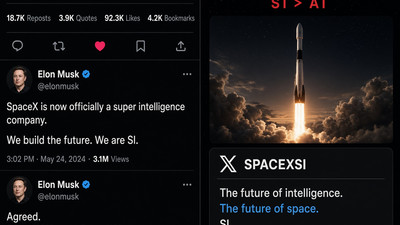
Musk Drops AI for SI, Renames SpaceXAI to SpaceXSI
Super Intelligence Is Where Its At! It's All SI These Days...
Trump Claims Time’s Cover Crown on America First Terms
Time Takes Time = Trump Time.
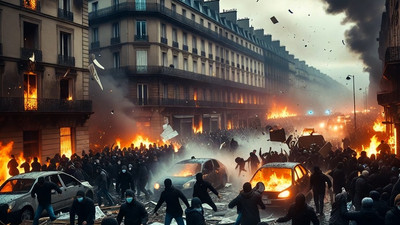
France Burns Again: Francophiles Must Unite and Expel Invaders
Vive la France! Or Die Trying...

Van Houten Declined Charges on Jane Doe’s Six-Page Statement
There Are NO Victims...Only Volunteers. Truth As Old As Time. Deal With It!

Texas Raises a Seven-Million-Square-Foot Hall for Ten Million Robots
iRobot. Coming Soon...

Grok Clears the False Gods and Leaves Only Christ Standing
King Of Kings! Prepare For Project Blue Beam! Thanks Artificial Intelligence, Or Is It Super Intelligence??? Either Way...Grok Knows God! The One True God!