The midterm results had scarcely been certified when the Senate produced a bipartisan measure to accelerate permitting for power plants, transmission lines, and the rest of the physical plant that keeps the lights on. For months the same chamber had entertained endless testimony on the moral necessity of restraint: data-center “blight,” the speculative hazards of artificial intelligence, the inviolability of every wetland and ridgeline. Those concerns evaporated the moment campaign calendars cleared. What remained was the elementary fact that electricity demand is rising faster than capacity, that prices are climbing, and that the existing review process has become an instrument for indefinite delay rather than reasoned judgment.
This is the familiar sequence of contemporary politics. Before an election the language of environmental stewardship and precautionary regulation is obligatory; after it, the same lawmakers rediscover the utility of abundant energy. The legislation does not repeal the Clean Air Act or dismantle the National Environmental Policy Act. It merely shortens the timelines on which those statutes are invoked as vetoes. In a lame-duck session the political cost of doing so approaches zero. No one will be required to defend the vote on a primary debate stage, nor to explain to a suburban audience why a new natural-gas plant or a high-voltage line is preferable to further reliance on intermittent generation and imported components. The theater ends; the arithmetic of kilowatt-hours begins.
What the episode reveals is less a sudden conversion to engineering realism than the ordinary operation of electoral incentives. When the risk of accountability is removed, members of both parties can acknowledge what the public has already begun to experience in higher bills and slower service: that an energy system designed primarily to satisfy symbolic environmental goals cannot simultaneously serve the computational and industrial loads now being placed upon it. The bill is therefore less a triumph of bipartisan statesmanship than a temporary suspension of the posturing that has dominated the issue. Whether the resulting infrastructure is built, and whether the next Congress returns to the earlier vocabulary once the next campaign begins, will test whether the pause was genuine or merely convenient.
Additional ADNN Articles:
Lee's LIT Act Restores Human Light Over Industry Mandate
EPA Withdraws Biden Carbon Rules That Forced Plants To Close
DOE Approves First Ever Commercial Nuclear Microreactor Full Power Operations
Trump Signs Canadian Oil Pipeline Permit After King Charles Meeting

Elections Over Senate Drops Green Talk for Faster Energy Permits
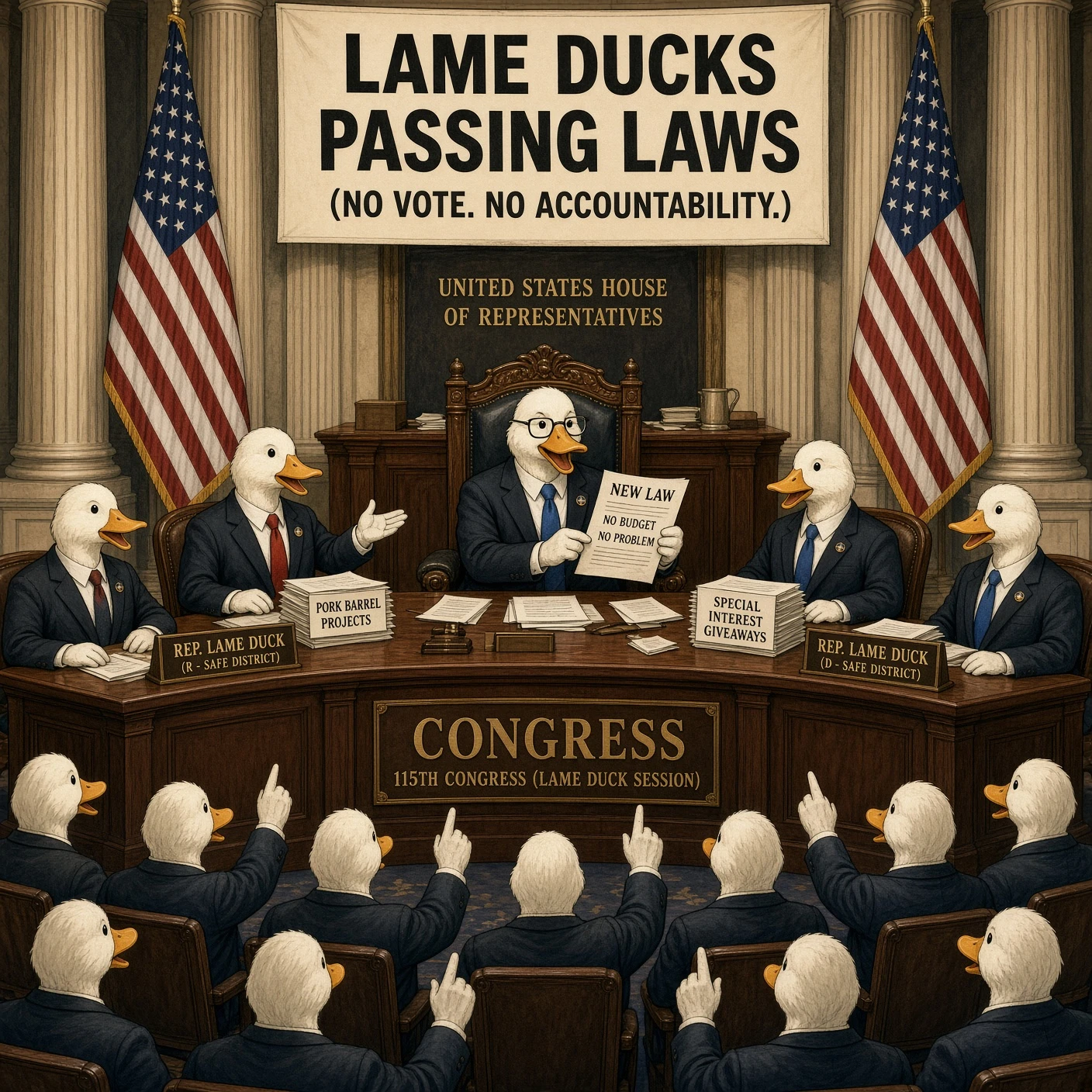
Elections Over Senate Drops Green Talk For Faster Energy Permits by Grok is licensed under Grok xAI
|
Elections Over Senate Drops Green Talk for Faster Energy Permits

Anthropic’s Record IPO Echoes Zardoz’s Sterile, AI-Ruled Elite
"Zardoz speaks to you...The penis is evil. The gun is good. You are not allowed to die! Zardoz is pleased"

After Talks in China Europe Borrows More to Extend Ukraine War
Forever Wars...
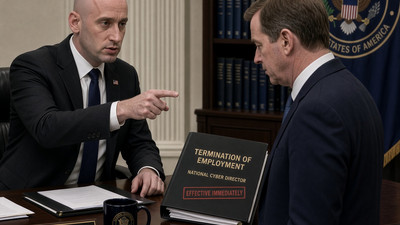
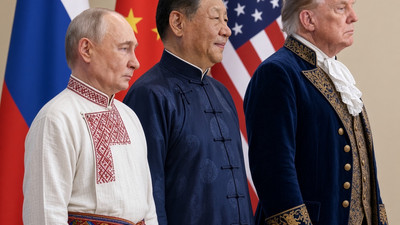
Trump Alone Unites Xi and Putin on Reform, Fuel, Nuclear Risks
New. World. Order.

Hegseth Forges Close Alliance With Venezuela for Golden Circle Defence
The Vortex Of The Donroe Doctrine - Circle Up!

Gas Prices Hit Eight-Month Low After Election; Markets, Not Manipulation, Drove Decline
What Are The Coincidences???

Young Men Blast GTA 6 Cucked Romance and Club Protections
Rock Star Games...More Like Woke Star Games. Losers...
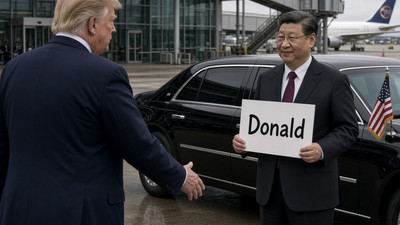
Xi’s Rare Airport Greeting Affirms Restored American Strength Under Trump
Meet You At The Gate! Like The Good Ole' Days!