A sharp contest has opened over the meaning of “Heritage American,” a phrase that has migrated from the margins of the right into broader argument. On one side stand those who hold that American identity is rooted in the particular people who settled the colonies, fought the Revolution and the Civil War, and built the institutions that followed—an Anglo-Protestant and Scotch-Irish stock whose deep continuity with the land, language, and customs gives their descendants a special claim. On the other stand the defenders of the older creedal view: that the nation is defined by the principles of the Declaration and the Constitution, by shared citizenship, and by the capacity of later arrivals to adopt those principles as their own. The first camp insists that changing the people changes the culture; the second replies that the Founders themselves rejected bloodline as the measure of belonging.
The split is not merely academic. Advocates of the heritage standard point to the concrete inheritance—English speech, Protestant moral habits, habits of self-government, and an attachment to a specific territory—that shaped the early republic, and they treat the post-1965 transformation of the population as a rupture rather than an extension. Their critics, drawing on Lincoln’s image of the “electric cord” that binds immigrants to the principles of 1776, argue that any hierarchy of ancestry reintroduces the feudal idea of status by birth that the Revolution discarded. Polling still shows most Americans preferring the creedal definition, yet the heritage argument has gained traction precisely because large-scale demographic change has made the old assumption of gradual assimilation look less automatic. What was once taken for granted—the slow absorption of newcomers into an existing people—now requires explicit defense.
Under the stricter traditionalist reading, Donald Trump himself falls short of the colonial threshold. His grandfather arrived from Germany in 1885; the maternal line is Scottish but of no earlier American vintage. By the ledger that counts generations on this soil before the Civil War, he is fresh off the boat. Yet no living figure has matched his public attachment to the symbols, the history, and the patriotic self-understanding of the country. He treats the founding documents, the monuments, and the martial past not as optional ornaments but as the essential inheritance to be preserved and extended. The paradox is instructive: if the purest ancestry test would exclude the man who has done more than any other recent president to restore pride in that very inheritance, then love of the American past and its institutions may count for more than the date stamped on a family tree.
Additional ADNN Articles:
Heritage American Rejects Lectures from Illegal Immigrants Who Hate Nation
Heritage Americans Alone Can Preserve Jeffersonian Liberty From Demographic Replacement
“Blood And Soil” Chancellor Mertz Honors Immigrant Trump
Trump Ends Plunder of Columbus Statues, Restores American Heritage

Heritage American Debate Splits Ancestry From Creed: Trump Defies Test
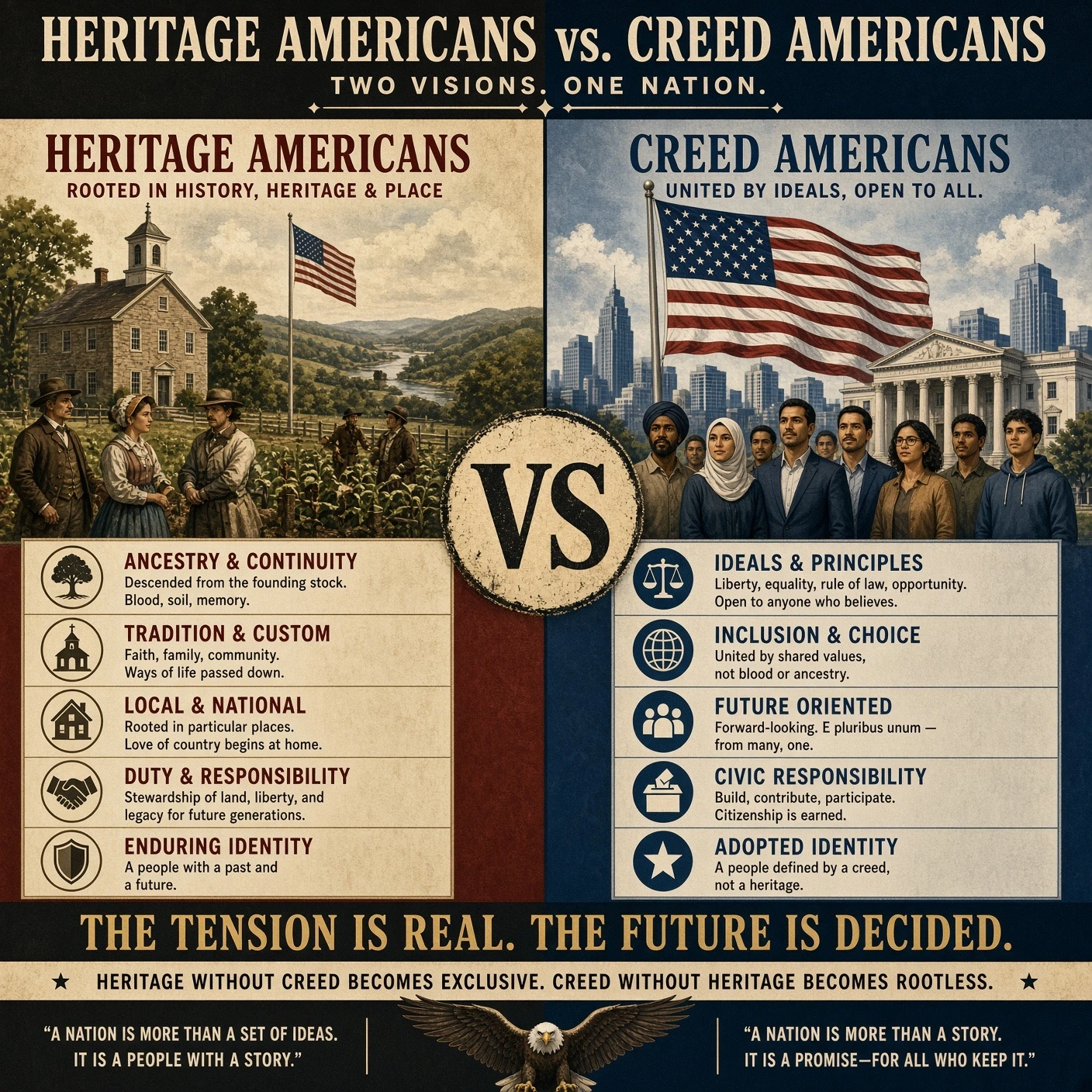
Heritage American Debate Splits Ancestry From Creed Trump Defies Test by Grok is licensed under Grok xAI
|
Heritage American Debate Splits Ancestry From Creed: Trump Defies Test
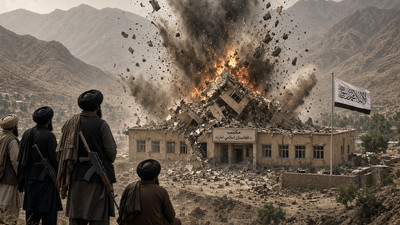
Slow News Day Elevates Afghan Blast as Global Headline.
Shithole Countries + Enemy Of The People = Global Headlines.
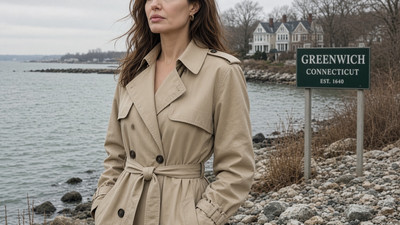
Jolie Buys Belle Haven Mansion Among Retired Deep-State Spooks
Stepford Whore?
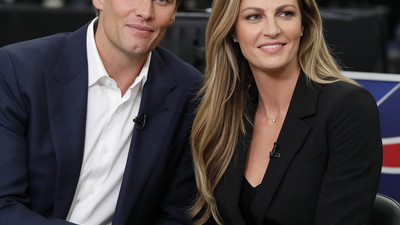
Brady’s Knee Pat Reveals What Stars Are Still Allowed To Do
They Let You Grab Them By The Pussy...That's The Message! The Whole Message...When You Are A Star.
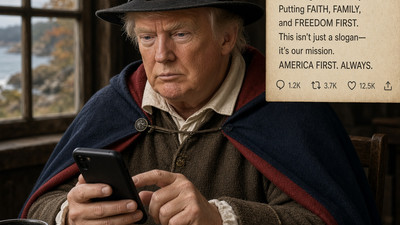
Trump Thanksgiving Post Exposes GDP Sabotage and Deep State Resistance
Pilgrim's Post! The Boss Is In Charge!
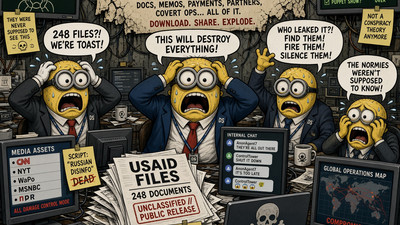
Trump Releases 248 USAID Files Exposing Tech Disinformation and Billions in Aid
Deep State Is In Deep Shit!
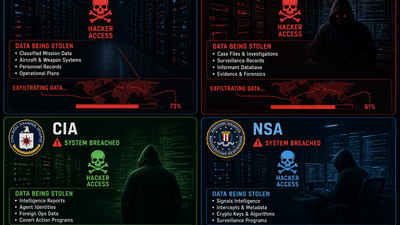
Attackers Breach Air Force Cloud Control Plane Amid Agency Disruptions
Spy War Ongoing...White Hats Vs. Black Hats!
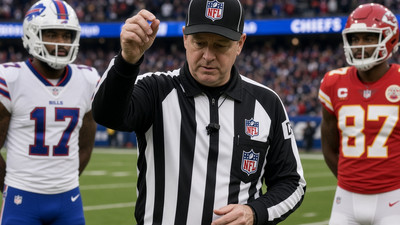
NFL Thanksgiving Games End in Historic Final-Second Scores Mirroring Odds
NFL = Nigger Faggot League Or Numbers Fake League...But It Sure Is Entertaining! Bread And Circus!
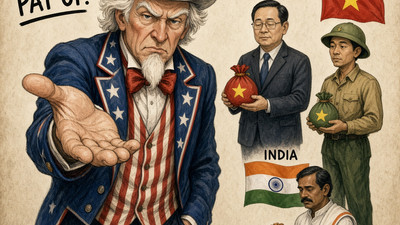
Trump Tariffs Force China Vietnam India Toward Immediate Trade Deals
Art Of The Deal...Asia Pacific Style.