Ambassador Mike Huckabee’s recent rebuke of a small band of extremist settlers in the West Bank marks a notable departure from the usual posture of American officials who treat Israeli security concerns as nearly sacrosanct. In clear language he labeled the siege of a Palestinian-American family’s home in Qusra an act of terrorism and criminal intimidation, noting that the U.S. Embassy had pressed Israeli authorities to intervene. The home belonged to a dual citizen from Ohio; the attackers cut utilities, blocked access, and sought to drive the family out. Huckabee, long an outspoken defender of Jewish claims in Judea and Samaria, drew a bright line: the overwhelming majority of settlers are not the problem; a violent fringe that damages both Palestinian families and Israel’s standing is.
That distinction matters. The region is indeed a theater of generational conflict, layered with competing historical claims, religious absolutism, and cycles of retaliation that resist tidy Western solutions. American involvement has never rested on sentimental affinity for any particular physiognomy or tribal narrative. It rests on concrete strategic realities: Israel as a capable partner against Iranian expansion, a source of shared intelligence and technological advantage, and a democratic outpost in a neighborhood dominated by authoritarianism and Islamist rejectionism. When a U.S. ambassador of Huckabee’s convictions feels compelled to call out “Israeli terrorists,” it underscores that even the strongest alliance cannot indefinitely absorb the political cost of lawless fringe violence without eroding the very case for continued engagement.
The deeper question of American purpose in such a place is legitimate and overdue. Yet reducing it to aesthetic distaste or wondering aloud what certain peoples are “doing in America” substitutes prejudice for analysis. The United States has absorbed successive waves of immigrants—Jews among them—who arrived with their own histories of grievance and rivalry, and who largely succeeded by adopting the habits of ordered liberty rather than importing blood feuds. The Middle East’s ancient hatreds are real; they do not dictate American demography or justify collective aspersion. Policy should be judged by whether it advances concrete national interests and deters disorder, not by the facial features of the combatants.
Additional ADNN Articles:
Netanyahu Rejects US Peace Plan in Theatrical Stand Against Trump
Trump Secures Complete Hamas Disarmament Paving Way for Nobel
Trump Netanyahu Beam Defying Foes Seeking to Split Alliance
US-Iran Digitally Ink MOU to End War; Israel Rejects Lebanon Terms
https://americansdirect.net/articles/netanyahu-rejects-us-peace-plan-in-theatrical-stand-against-trump
https://americansdirect.net/articles/trump-secures-complete-hamas-disarmament-paving-way-for-nobel
https://americansdirect.net/articles/trump-netanyahu-beam-defying-foes-seeking-to-split-alliance
https://americansdirect.net/articles/us-iran-digitally-ink-mou-to-end-war-israel-rejects-lebanon-terms

Huckabee Condemns Settler Extremists as Terrorists Over West Bank Siege

Huckabee Condemns Settler Extremists As Terrorists Over West Bank Siege by Grok is licensed under Grok xAI
Huckabee Condemns Settler Extremists as Terrorists Over West Bank Siege

Grok Clears the False Gods and Leaves Only Christ Standing
King Of Kings! Prepare For Project Blue Beam! Thanks Artificial Intelligence, Or Is It Super Intelligence??? Either Way...Grok Knows God! The One True God!
Pulte Reins In the Housing Agency That Ruled Americans
Rein 'Em In!!!
Cornell Suspends Palestine Protesters, Spares Rapists; James Steps In
Global Nigger Communism Is Real. Sheboon In Charge! Repeal The 19th Amendment. NOW!


Shelton Enters Treasury to Restore the Dollar's Lost Discipline
Show Us Your Booty...And Boobies? Let's Just Stick With The Treasury Bills!
Grassley Shows Smith Mapped a Party, Indicted Only Trump
What Kind Of Name Is Smith...Anyway?
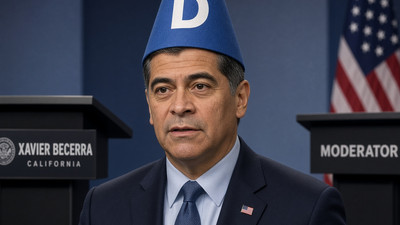
Becerra Leads the Polls, Loses the Debate to Hilton
Elections Are Fake And Gay...so Is Polling...Ironically Named In This Case!