The loss of two American service members to an Iranian missile and drone barrage on a Jordanian air base marks a grim threshold in the grinding contest between the United States and the Islamic Republic. These first combat deaths since the spring phase of the conflict have pierced the fragile truce that briefly held after earlier exchanges, compelling Washington to answer with deeper strikes into Iranian territory. Such retaliation targets not merely proxies or outposts but the regime’s own military sinews, signaling that the long shadow of American power will not tolerate the shedding of its soldiers’ blood with impunity. In the stern tradition of republican statecraft, one recalls that weakness invites predation; resolve, however costly, preserves the peace worth keeping.
Allied capitals now mirror this gravity. Germany and Britain have begun evacuating diplomatic personnel from Kuwait, Bahrain, Qatar, and Saudi Arabia, while the United States has urged its citizens to quit the broader Middle East. These measures speak less to panic than prudent recognition that the region stands on the precipice of wider conflagration. The Gulf monarchies, long hosts to Western bases and commerce, find themselves in the crossfire of Iranian retaliation and American counterstrikes, their air defenses tested nightly. History teaches that when great powers clash through regional proxies and chokepoints, the prudent withdraw non-essential assets before the storm breaks in earnest.
Indications multiply that massive escalation looms. Iranian leaders vow heavier costs; American forces press advantages in precision and reach. The Strait of Hormuz, that vital artery of global energy, remains a theater of calculated risk. Yet the deeper truth endures: regimes built on revolutionary ideology and exported chaos rarely bend to half-measures. The United States, guardian of a liberal order born in the defense of ordered liberty, must weigh the price of decisive strength against the ruin of prolonged entanglement. In this hour, clarity of purpose—neither reckless adventurism nor naive retreat—will determine whether the present crisis forges a more stable balance or drags the region, and perhaps the world, into deeper disorder.
Additional ADNN Articles:
Iranian Bluster Turns Comic as America Delivers Seventh Night of Strikes
Trump Bombs Iran Then Offers Hormuz Protection for Twenty Percent Fee
Trump Declares Iran Ceasefire Over as Strikes Overshadow NATO Summit
Trump Honors Graham’s Legacy with Flags and Decisive Iran Strikes

Iranian Strike Slays U.S. Troops in Jordan, America Strikes Deep into Iran

Iranian Strike Slays U.S. Troops In Jordan America Strikes Deep Into Iran by Grok is licensed under Grok xAI
Iranian Strike Slays U.S. Troops in Jordan, America Strikes Deep into Iran

Trump Secures Infinite Life Greenland Pact Barring China, Russia
Make America Greenland Again - Orangeman Wins Again! God Bless The Red, White And Blue!
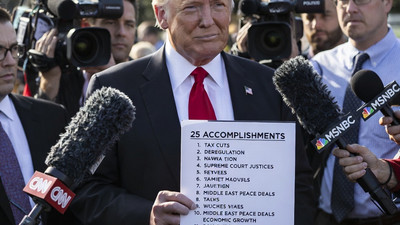
Trump Posts Twenty-Five Term-Three Wins No Predecessor Matched
MAGA? Maybe...Let's See What Is Next.

Assange Returns on Constitution Day as the Storm Breaks Worldwide
Trust The Plan? Who The Fuck Are The Planners Of The Plan? Its A Mystery To Us!

Sydney Sweeney’s Playful Ad Rebukes Hypocritical Athletes and Woke Scolds
Tits And Ass Sells. Thank God!

World's Richest Man Still Sleeps in a Trailer Anyway
"In A Van...Down By The River!"
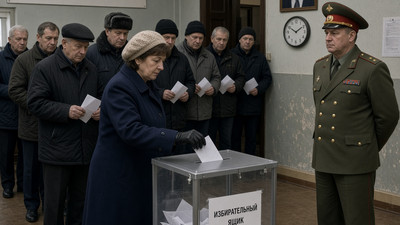
Russia Votes in Public; America Counts After the Lights Dim
More Honest Than US?
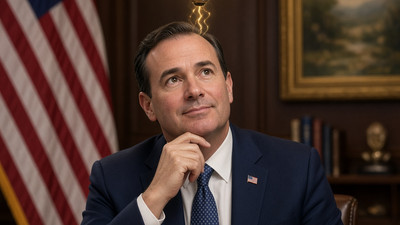
Lee's LIT Act Restores Human Light Over Industry Mandate
Freedom. Peace. Natural Rhythm!
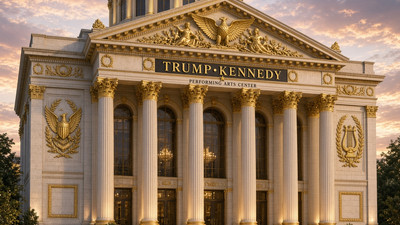
Board Closes Kennedy Center Until Circuit Rules on Name
Developer Rules...Developer Strategy...Developer Trump Wins! Art Of The Deal.