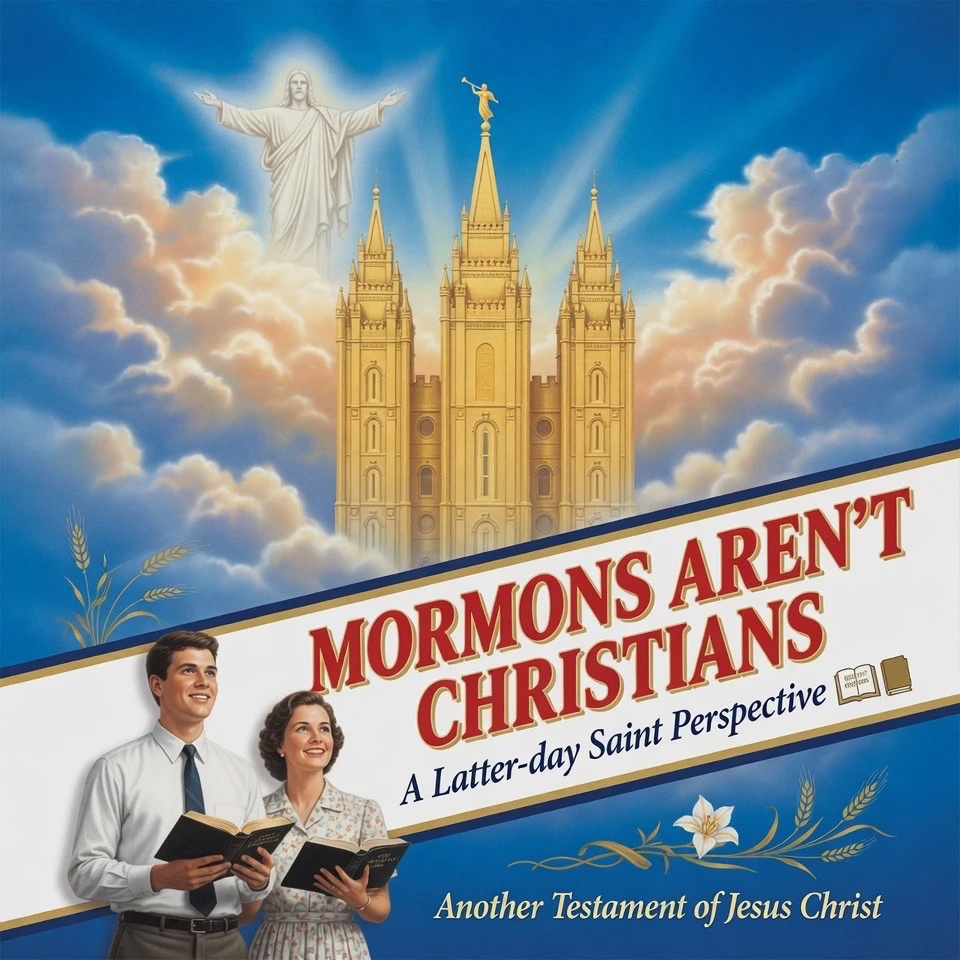
Mormons aren't Christians—they're Mormons. That's not some gotcha or sectarian smackdown; it's a straightforward observation about core doctrines. Traditional Christianity, whether Catholic, Protestant, or Orthodox, centers on the Trinity, the finality of biblical revelation, salvation by grace through faith in the atoning work of Jesus as fully God and fully man, and a closed canon. The Church of Jesus Christ of Latter-day Saints layers on a whole additional ecosystem: the Book of Mormon as another testament, ongoing prophets with new scripture, a Godhead of three separate beings (not one essence), pre-mortal spirit existence, celestial kingdoms with degrees of glory, proxy baptisms for the dead, and the potential for humans to become gods ruling their own worlds. These aren't minor tweaks or enthusiastic footnotes. They're a fundamentally different metaphysical operating system. Calling it "Christianity plus" is like calling a Tesla a horse-drawn carriage with better suspension.
It's true that religious evolution is full of borrowing and remixing—Jews drew from earlier Near Eastern traditions, and Christians reframed Jewish messianic hopes around a crucified and risen Jesus without inventing a parallel universe of new scriptures or radically altering the core patriarchs. Moses remains the lawgiver who didn't get a sequel where he visits the Americas or learns about Kolob.Christians kept the Jewish foundation intact while claiming fulfillment, then rebranded hard: from a Jewish sect to a universal faith that spread like wildfire across the Roman Empire. They didn't cling to the old label while rewriting the manual. Mormonism, by contrast, insists on the "restored" Christian label despite the extensive innovations from Joseph Smith onward. The resistance to just owning "Mormon" as a proud, distinct identity is puzzling. It's a vibrant, high-commitment faith with strong communities, impressive family emphasis, and a unique American epic of pioneers and golden plates. Why not lean into being something new and self-confident instead of the perpetual "we're Christians too, really" debate?
They should be proud. Rebranding isn't surrender—it's clarity. History is littered with successful schisms and evolutions that thrived by declaring their distinctiveness rather than litigating continuity. Mormonism has built enduring institutions, inspired remarkable people, and offers a compelling narrative in a secular age. Pretending it's just another flavor of Nicene Christianity invites endless theological pushback from every other branch. Drop the contested umbrella, embrace the full distinctive package, and let the fruits speak for themselves. Truth-seeking favors precision over branding nostalgia.
Additional ADNN Articles:
Tyler Robinson’s Trans Partner Luna Twiggs, a Biden Supporter, Linked to Radicalism in Kirk Assassination
Modern Man’s Love for Old Masterpieces Scorns Their Faith Roots
Trump: Tucker Carlson is Low-IQ, Clueless on Middle East & Christianity
A Christmas Tree Burns In Damascus

Mormons Aren't Christians: Proudly Own Your Distinct Mormon Faith
Mormons Aren't Christians: Proudly Own Your Distinct Mormon Faith
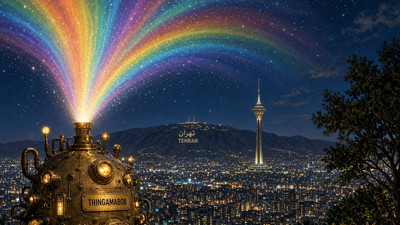
War Department Thingamabob Rainbows Tehran Sky, Unsettling Guards and Globalists
A Heap Of Homo Hooligan Hell Hole Rainbow Lights Shock The Sand People. Was It US? Or Enoch? Or Some Other Alien?

Bessent Pins Hugging Face Incident on OpenAI Managers, Not Agents
Bots Aren't Gay...

Austin Protesters Learn Texas Differs From Minnesota After ICE Clash
Don't Mess With Texas!

Fonzie Jumped the Shark; Fifty Years of Failure Endure
Fake And (Almost Certainly) Gay - Jewish Greaser, Mind Control And The Pop-Culture Term That Lives On...

Ukraine’s Swarm Hits Moscow Refinery as Russia Warns Retaliation
World War Three, Anyone?
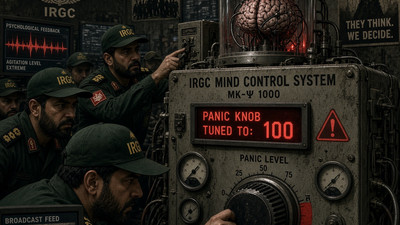
Iran Issues Code 100 as Trump and Netanyahu Rush Home
Turn Up The Volume!
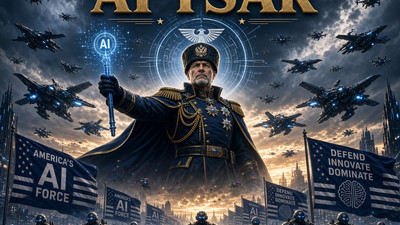
Trump Forms AI Force and Czar; Will Not Stifle Industry
May The Force Be With You! Superior Intelligence Is The New AI!
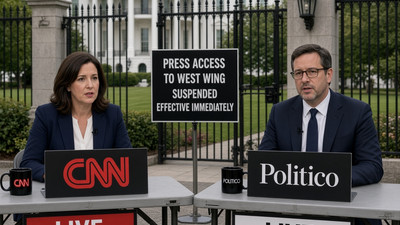
No First Amendment Right To A Seat In West Wing
Mockingbird Press Pissed At Being Locked Out As They Are The "Deep-State-Run-Media" - The Propaganda Arm Of The Intelligence Community Driving Mind Control - Fucking Commies! God To Hell You Sickos!